Top 5 Tiny House Roofing Types: Pros, Cons, and Cost Guide

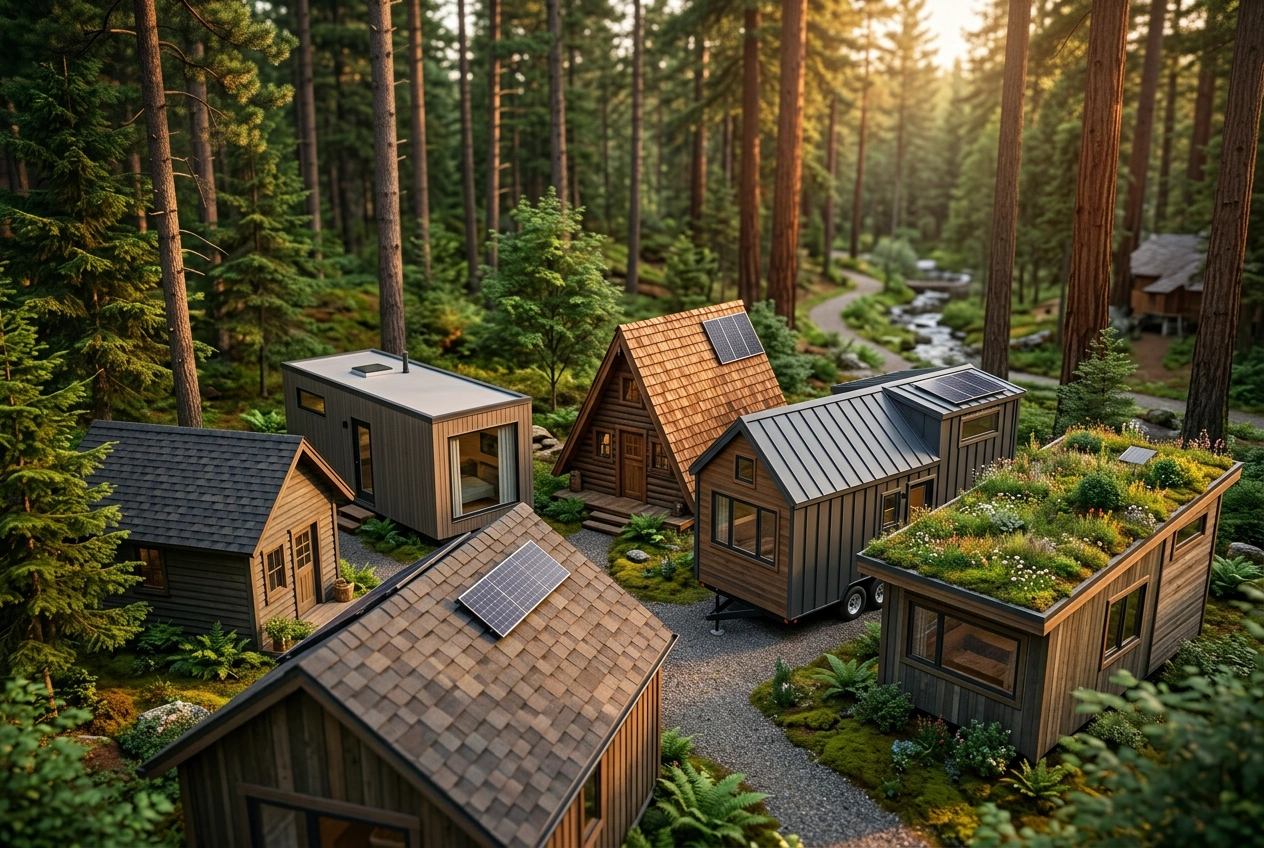
Choosing the right roofing material for your tiny house is a critical decision that can affect the durability, energy efficiency, and aesthetic appeal of your home. With the tiny house movement gaining traction among individuals and couples seeking affordability and flexibility, understanding the various roofing options available is essential. This guide will cover the top five roofing types for tiny homes, detailing their pros, cons, and cost considerations. By exploring these options, you can make an informed decision that aligns with your lifestyle and budget.
1. Metal Roofing
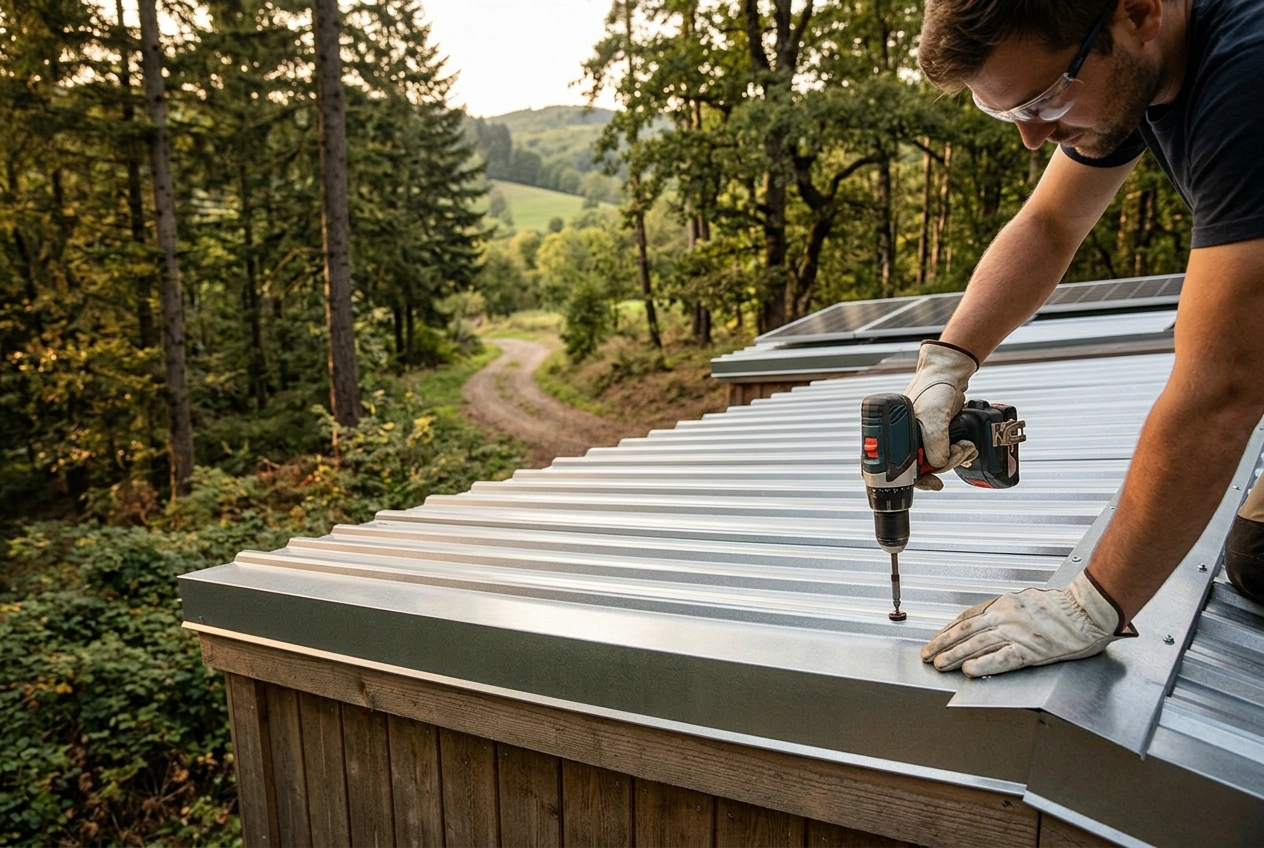
Metal roofing is a popular choice for tiny houses due to its durability and energy efficiency. Typically made from aluminum or steel, metal roofs can withstand harsh weather conditions, making them a reliable option for homes in various climates. One of the key advantages of metal roofing is its longevity; it can last up to 50 years with proper maintenance. This longevity translates to savings over time, as homeowners will not need to replace their roofs frequently.
However, there are some drawbacks to consider. Metal roofing can be more expensive upfront than other materials, with costs ranging from $5 to $12 per square foot. Additionally, metal roofs can be noisy during rain or hailstorms unless properly insulated. It's essential to weigh these factors against the long-term benefits when deciding if metal roofing is the right fit for your tiny house.
Pros of Metal Roofing
- Long lifespan (up to 50 years)
- Excellent durability against extreme weather
- Energy-efficient due to reflective properties
Cons of Metal Roofing
- Higher initial costs
- Potential for noise during storms
- Requires proper insulation to mitigate sound
2. Asphalt Shingles
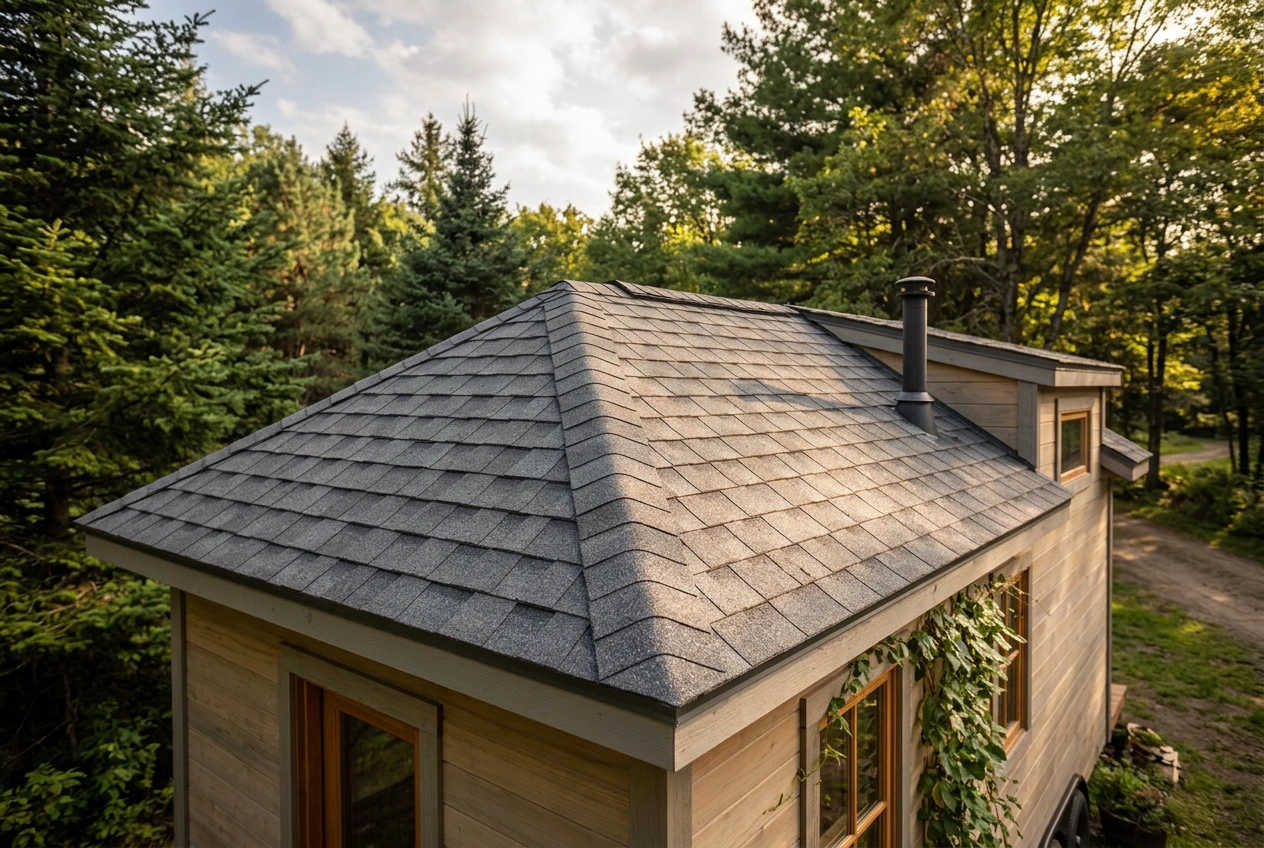
Asphalt shingles are one of the most common roofing materials used in residential construction, including tiny homes. Known for their affordability and ease of installation, asphalt shingles typically cost between $1.50 to $5 per square foot. They come in a variety of colors and styles, allowing homeowners to customize the look of their tiny houses easily.
While asphalt shingles are budget-friendly, they do have a shorter lifespan compared to other materials, lasting around 15 to 30 years. They are also less durable against extreme weather conditions, which may be a concern for those living in areas prone to high winds or heavy snowfall. Despite these limitations, asphalt shingles remain a viable option for many tiny house owners seeking a cost-effective roofing solution.
Pros of Asphalt Shingles
- Affordable and easy to install
- Wide range of styles and colors
- Good performance in moderate climates
Cons of Asphalt Shingles
- Shorter lifespan (15 to 30 years)
- Less durable in extreme weather conditions
- Can be prone to algae growth in humid climates
3. Wood Shingles and Shakes
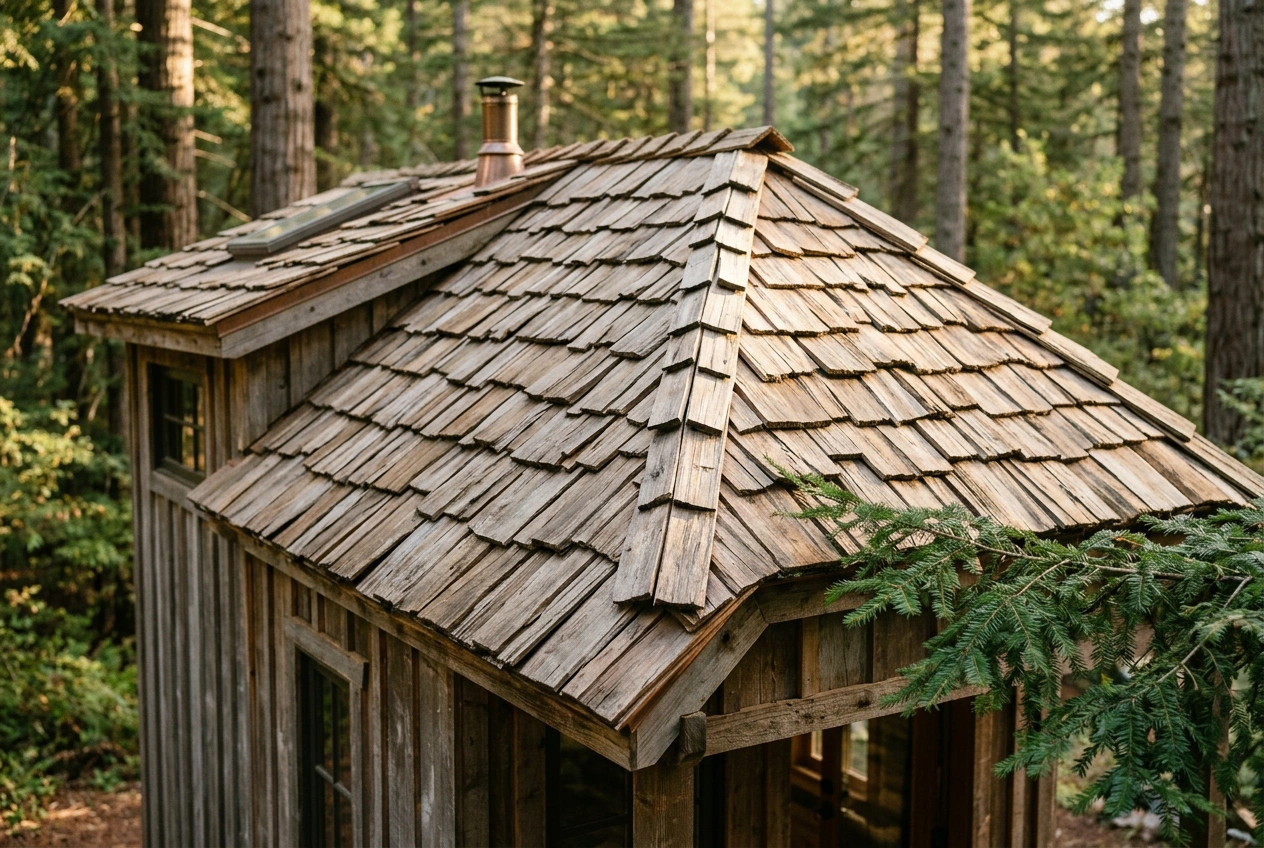
Wood shingles and shakes offer a natural aesthetic that appeals to many tiny house enthusiasts. Made from cedar, redwood, or other durable woods, these roofing materials provide excellent insulation and can last between 25 to 30 years with proper maintenance. Wood roofing also blends well with natural surroundings, enhancing the overall appeal of a tiny home.
On the downside, wood roofing requires regular maintenance to prevent rot, mold, and insect infestations. Additionally, the initial cost can be higher, ranging from $4 to $7 per square foot. Homeowners should also consider the fire risk associated with wood roofs, as they may require additional treatments to improve fire resistance.
Pros of Wood Shingles and Shakes
- Attractive natural appearance
- Good insulation properties
- Environmentally friendly options available
Cons of Wood Shingles and Shakes
- Higher initial costs
- Requires regular maintenance
- Potential fire risk
4. Rubber Roofing
Rubber roofing is an increasingly popular option for tiny homes, particularly for flat roofs. Made from recycled tires, rubber roofing is environmentally friendly and offers excellent waterproofing properties. The cost typically ranges from $4 to $8 per square foot, making it a competitive option in terms of affordability.
While rubber roofing is durable and resistant to harsh weather conditions, it may not have the same aesthetic appeal as other materials. Additionally, installation can be more complex, requiring skilled labor for proper application. Homeowners should weigh these factors against the advantages of rubber roofing when considering it for their tiny house.
Pros of Rubber Roofing
- Excellent waterproofing properties
- Environmentally friendly material
- Good durability and resistance to weather
Cons of Rubber Roofing
- Less aesthetic appeal compared to other materials
- Complex installation process
- May require professional installation
5. Tile Roofing
Tile roofing, including clay or concrete tiles, is known for its distinctive appearance and durability. This type of roofing can last over 50 years and is resistant to fire, rot, and insect damage. While the initial investment can be higher, typically ranging from $10 to $20 per square foot, the longevity and low maintenance requirements can make it a worthwhile investment for tiny house owners.
However, tile roofing is heavy and may require additional structural support, which can add to construction costs. Additionally, it can be more expensive to repair if damaged. Homeowners should consider their specific needs and the structural integrity of their tiny house before opting for tile roofing.
Pros of Tile Roofing
- Long lifespan (over 50 years)
- Resistant to fire and pests
- Low maintenance requirements
Cons of Tile Roofing
- Higher upfront costs
- Requires additional structural support
- More challenging to repair if damaged
The Intersection of Tiny House Roofing and Your Home Design
Choosing the right roofing type for your tiny house is essential for ensuring both functionality and style. Each roofing option presents its unique set of advantages and disadvantages, and the best choice will ultimately depend on your specific needs, budget, and environmental conditions. Understanding the pros and cons of each material can help you make an informed decision that complements your tiny living lifestyle.
Whether you prefer the longevity of metal roofing, the affordability of asphalt shingles, or the natural charm of wood, TinyHouse.com can provide you with the resources and information you need to succeed in your tiny home journey. Our website is filled with helpful guides and tips on everything related to tiny living, including roofing solutions tailored to your preferences.
For more information on tiny house roofing and to explore your options further, visit TinyHouse.com today. Your dream of a tiny home is within reach, and we are here to help you every step of the way.