
Top Eco-Friendly Roofing Options for Tiny Houses Explained

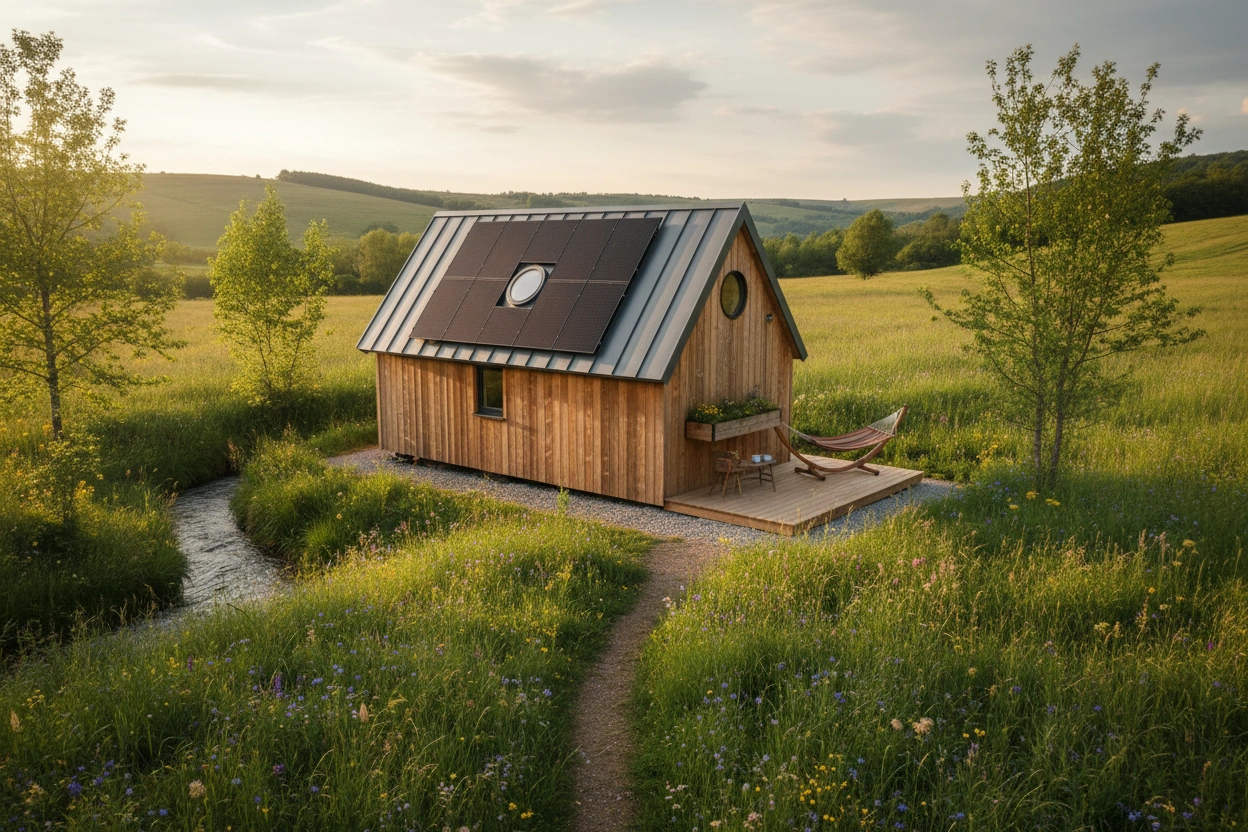
Choosing the right roofing material is a significant decision for tiny house owners. Not only does it impact the aesthetics and functionality of the home, but it also plays a crucial role in energy efficiency and environmental sustainability. With the increasing focus on eco-friendly solutions, understanding the best roofing options available for tiny houses is essential. In this article, we will discuss the top five roofing types for tiny homes, highlighting their benefits and potential drawbacks.
Understanding Tiny House Roofing
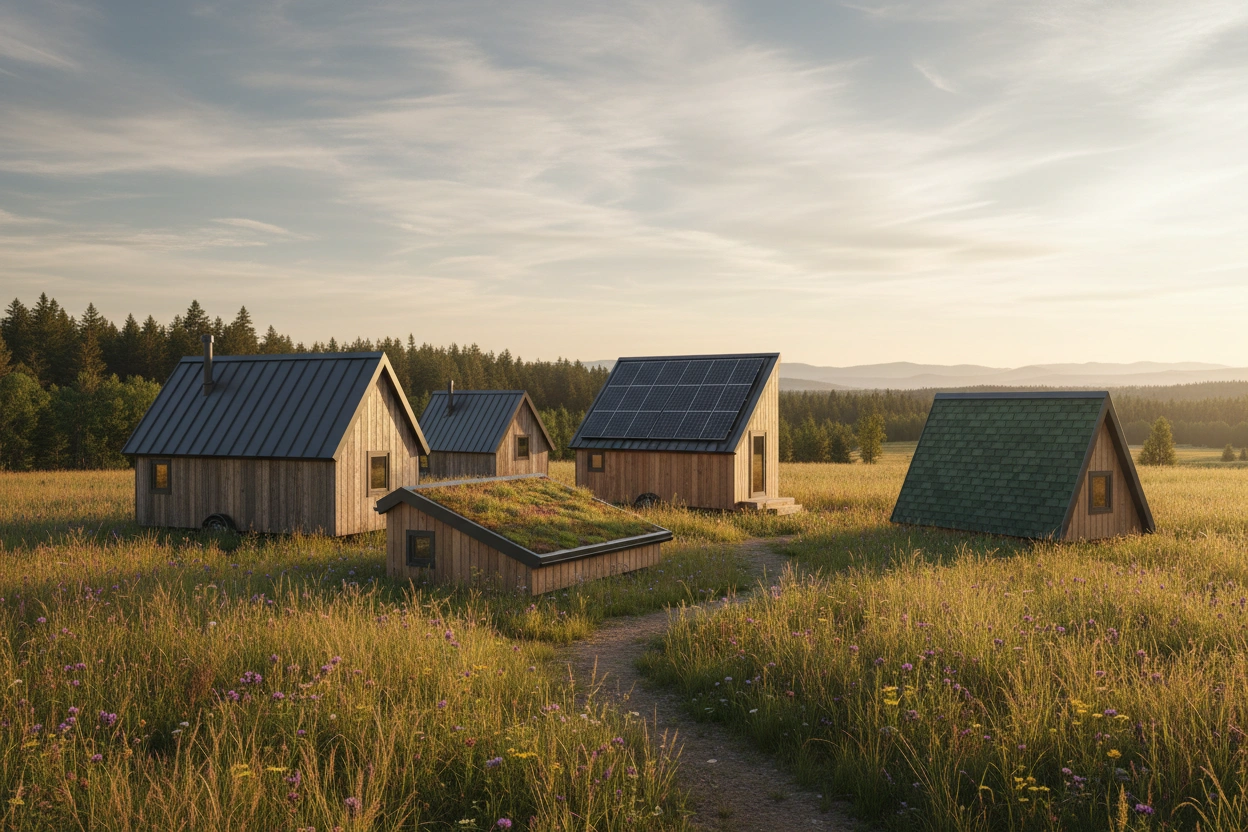
Tiny house roofing requires careful consideration due to the unique structure and size of these homes. The roofing material must be lightweight, durable, and capable of withstanding various weather conditions. Additionally, eco-friendly roofing options can help reduce energy costs and environmental impact.
Key Considerations for Tiny House Roofing
Before selecting a roofing material, it is important to evaluate several factors:
- Weight: The roofing material should be lightweight to avoid overwhelming the tiny house structure.
- Durability: It should withstand harsh weather conditions, such as heavy rain, snow, or strong winds.
- Insulation: Good insulation properties are essential for maintaining a comfortable indoor environment.
- Sustainability: Opting for eco-friendly materials can reduce your carbon footprint and contribute to a healthier planet.
These considerations will guide you in making an informed decision about the best roofing materials for tiny houses.
Top 5 Roofing Types for Tiny Homes
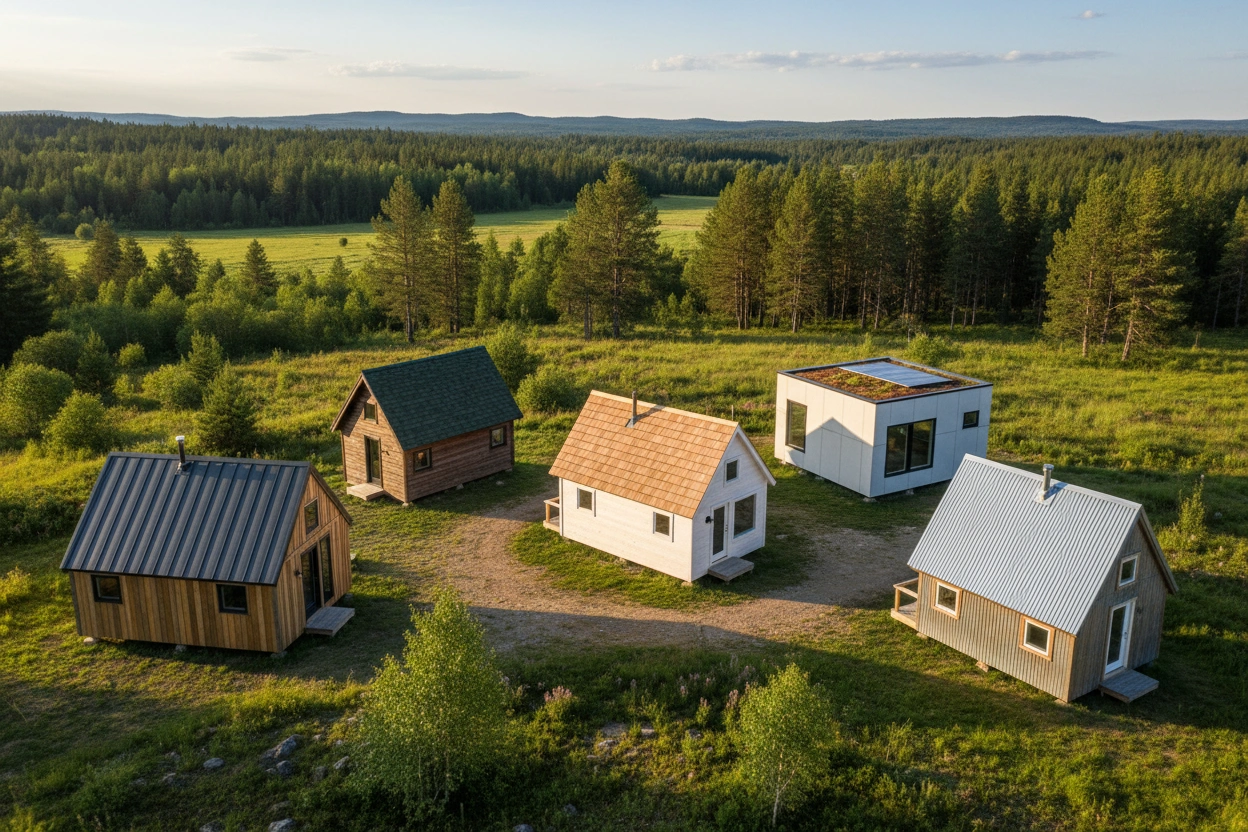
When it comes to tiny house roofing, various materials are available, each with its advantages and disadvantages. Here are the top five roofing options that combine aesthetics, durability, and environmental consciousness.
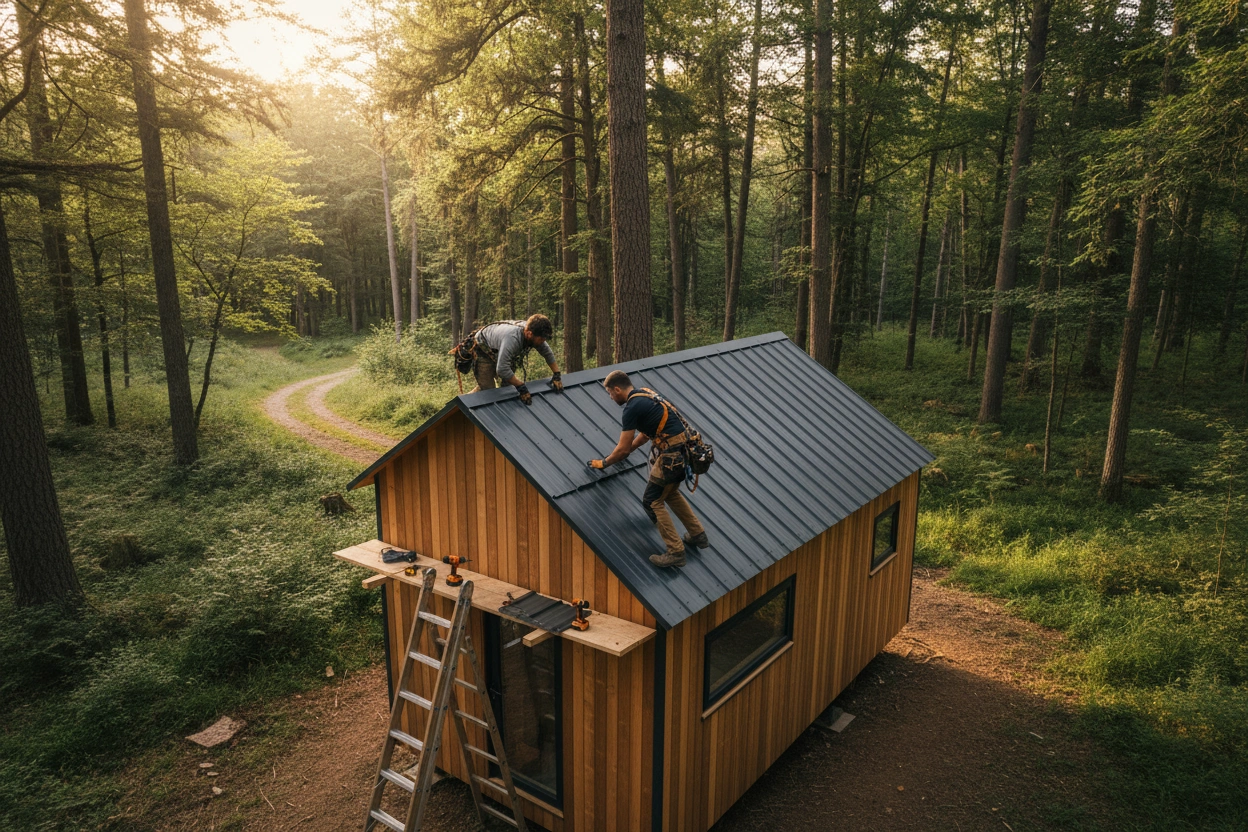
1. Metal Roofing
Metal roofing is increasingly popular among tiny house builders due to its longevity and energy efficiency. Made from recycled materials, metal roofs are an eco-friendly option that can last up to 50 years.
Benefits of Metal Roofing
- Durability: Metal roofs can withstand extreme weather conditions, including heavy snow and high winds.
- Energy Efficiency: Reflective coatings can help reduce heat absorption, keeping the interior cool during hot months.
- Low Maintenance: Metal roofs require minimal maintenance compared to other materials.
Considerations
- Cost: The initial investment may be higher than other roofing options, although it pays off in the long run due to its durability.
- Noise: Rain and hail can create noise when hitting metal roofs, which may be a concern for some homeowners.
2. Green Roofs
Green roofs are an innovative and eco-friendly option that involves growing vegetation on the roof surface. This option is particularly suitable for urban environments where green space is limited.
Benefits of Green Roofs
- Insulation: Vegetation provides natural insulation, reducing heating and cooling costs.
- Biodiversity: They promote biodiversity by providing habitats for various species.
- Stormwater Management: Green roofs absorb rainwater, reducing runoff and helping prevent flooding.
Considerations
- Weight: The structure must support the additional weight of soil and plants, which may require reinforcement.
- Maintenance: Green roofs require regular maintenance, including watering and weeding.
3. Asphalt Shingles
Asphalt shingles are one of the most common roofing materials, known for their affordability and ease of installation. They are made from a combination of asphalt, fiberglass, and mineral granules. Affordable roofing options are available, making them a popular choice.
Benefits of Asphalt Shingles
- Cost-Effective: Asphalt shingles are among the most affordable roofing options available.
- Variety: They come in various colors and styles, allowing for customization.
- Easy Installation: The installation process is straightforward, making it accessible for DIY enthusiasts.
Considerations
- Lifespan: Asphalt shingles typically last 15-30 years, which is shorter than other options.
- Environmental Impact: While some manufacturers offer recycled asphalt shingles, they are not as eco-friendly as other materials.
4. Slate Roofing
Slate roofing is a premium option known for its beauty and durability. Made from natural stone, slate roofs can last over a century with proper care.
Benefits of Slate Roofing
- Longevity: Slate roofs are incredibly durable and can last for generations.
- Aesthetic Appeal: The natural look of slate adds a unique character to tiny homes.
- Fire Resistance: Slate is non-combustible, offering excellent fire protection.
Considerations
- Weight: Slate is heavy and may require additional structural support.
- Cost: The initial investment can be significant, making it less accessible for budget-conscious homeowners.
5. Composite Roofing
Composite roofing is made from a blend of materials, often designed to mimic the appearance of wood or slate while providing enhanced durability.
Benefits of Composite Roofing
- Versatility: Available in a variety of styles and colors, composite roofing can suit different architectural designs.
- Durability: Many composite materials come with warranties of 30 years or more.
- Eco-Friendly Options: Some manufacturers use recycled materials in their composite products.
Considerations
- Cost: Composite roofing can be more expensive than traditional asphalt shingles.
- Installation: Proper installation is crucial for ensuring longevity and performance.
Common Mistakes to Avoid in Tiny House Roofing
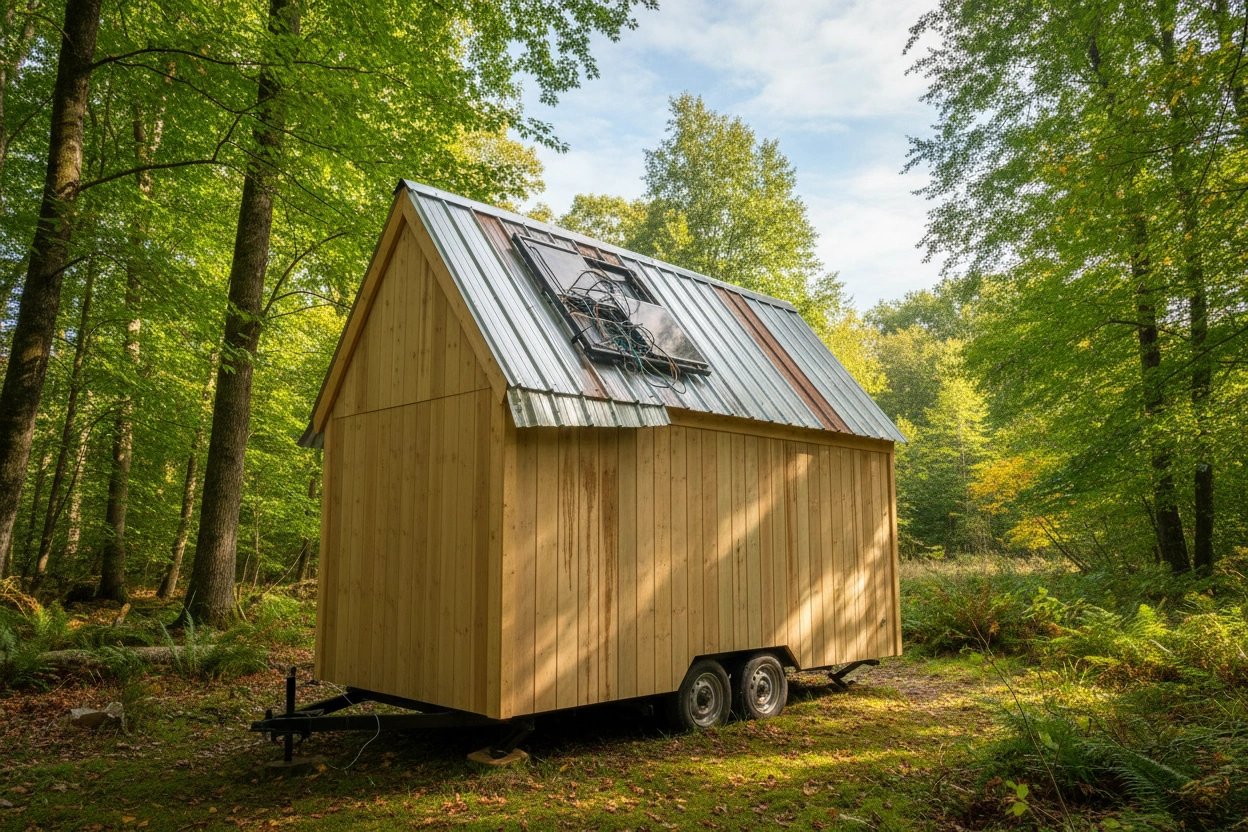
When selecting roofing for a tiny house, several common mistakes can lead to issues down the line. Here are some pitfalls to avoid:
- Underestimating Weight: Failing to consider the weight of roofing materials can compromise the structural integrity of the tiny house. Always ensure your home can support the chosen roofing type.
- Ignoring Local Climate: Choosing roofing materials without considering the local climate can lead to poor performance. For example, metal roofing may be ideal in snowy regions, while green roofs may be better suited for warmer climates.
- Neglecting Insulation: Overlooking insulation can lead to energy inefficiencies and discomfort. Ensure that the roofing system includes adequate insulation for temperature control.
By avoiding these mistakes, tiny house owners can ensure a more successful roofing installation that meets their needs.
The Benefits of Choosing Eco-Friendly Roofing
Opting for eco-friendly roofing materials not only benefits the environment but also enhances the overall quality of life for tiny house residents. Here are some of the key advantages:
- Energy Savings: Eco-friendly materials often provide better insulation, leading to lower energy bills.
- Sustainability: Using materials with recycled content or natural components reduces environmental impact.
- Increased Property Value: Eco-friendly features can enhance the marketability of tiny homes, appealing to environmentally conscious buyers.
Incorporating eco-friendly roofing options in tiny house design not only aligns with sustainable living practices but also improves the home’s overall efficiency and appeal.
The Intersection of Tiny House Roofing and Sustainable Living
Tiny house roofing is a critical element in the broader context of sustainable living. Selecting the right roofing material can significantly impact both the environment and the homeowner's lifestyle. As eco-consciousness continues to grow, tiny house owners are increasingly prioritizing sustainable materials in their building choices.
By understanding the various roofing options available, individuals can make informed decisions that align with their values and needs. Whether opting for the durability of metal roofing or the beauty of slate, each choice offers unique benefits that contribute to a sustainable lifestyle.
For more insights on building or buying a tiny home, visit TinyHouse.com. Our resources are designed to help you navigate the complexities of tiny house living, from roofing options to overall design strategies. more information on eco-friendly building practices.
Take the Next Step with TinyHouse.com
Understanding the various roofing options for tiny houses can lead to better decision-making and enhance your living experience. If you are considering a tiny home project or looking for more information on eco-friendly building practices, visit TinyHouse.com today. Our expert resources and community support can help you achieve your tiny house goals seamlessly.


.svg)

.webp)