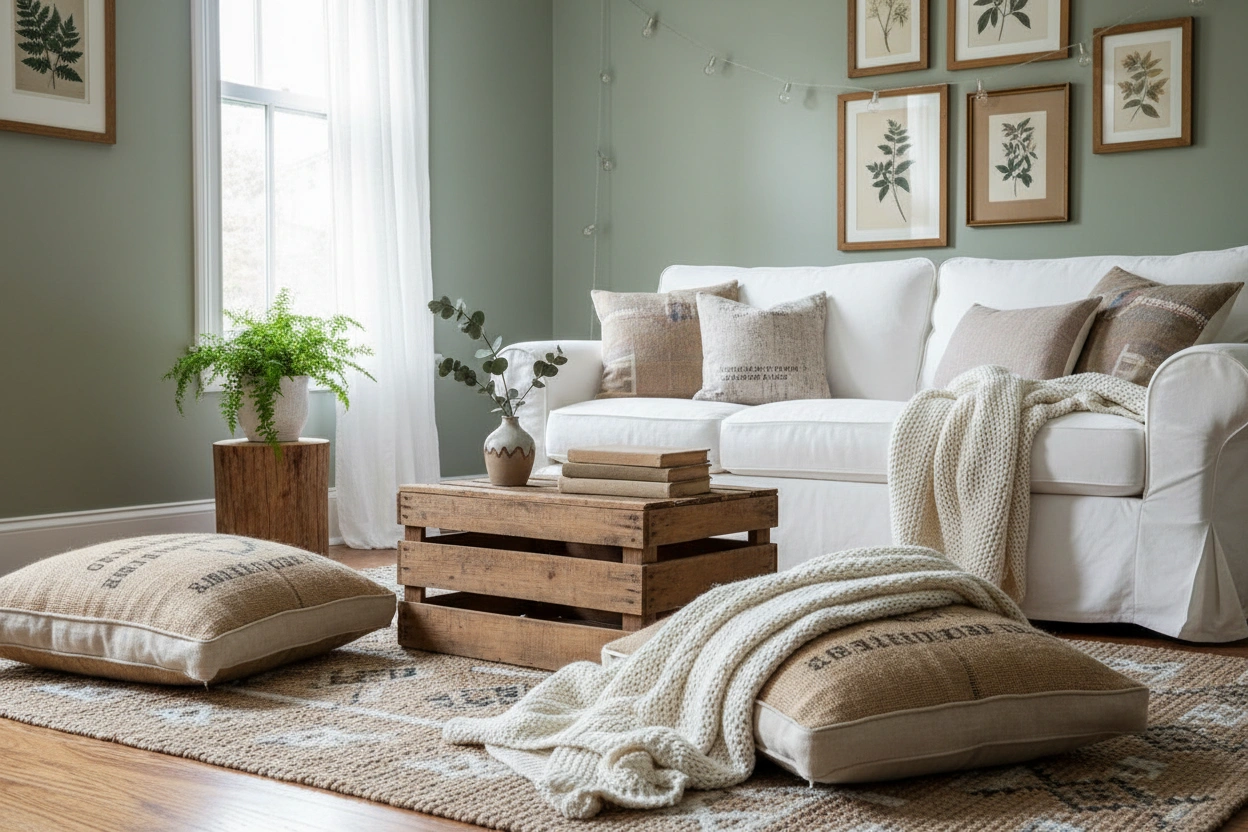
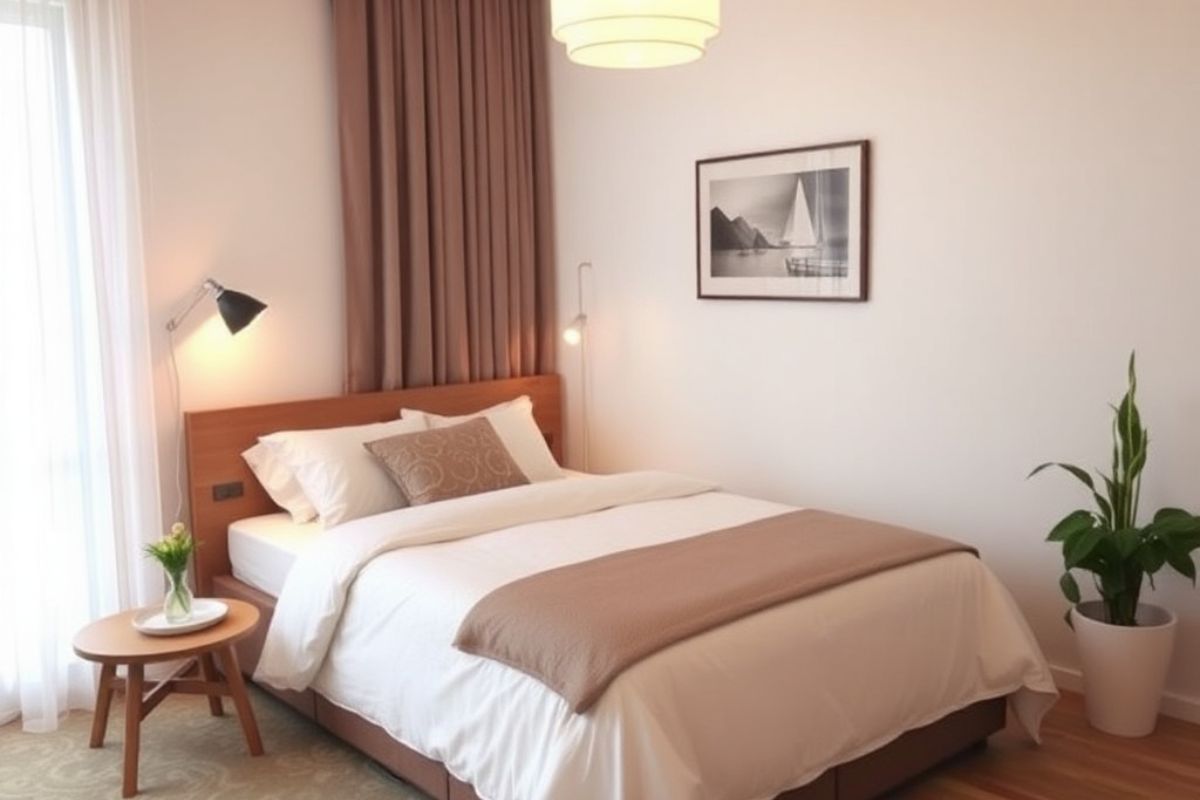
Transforming Your Space: Simple Living with Budget-Friendly Decor

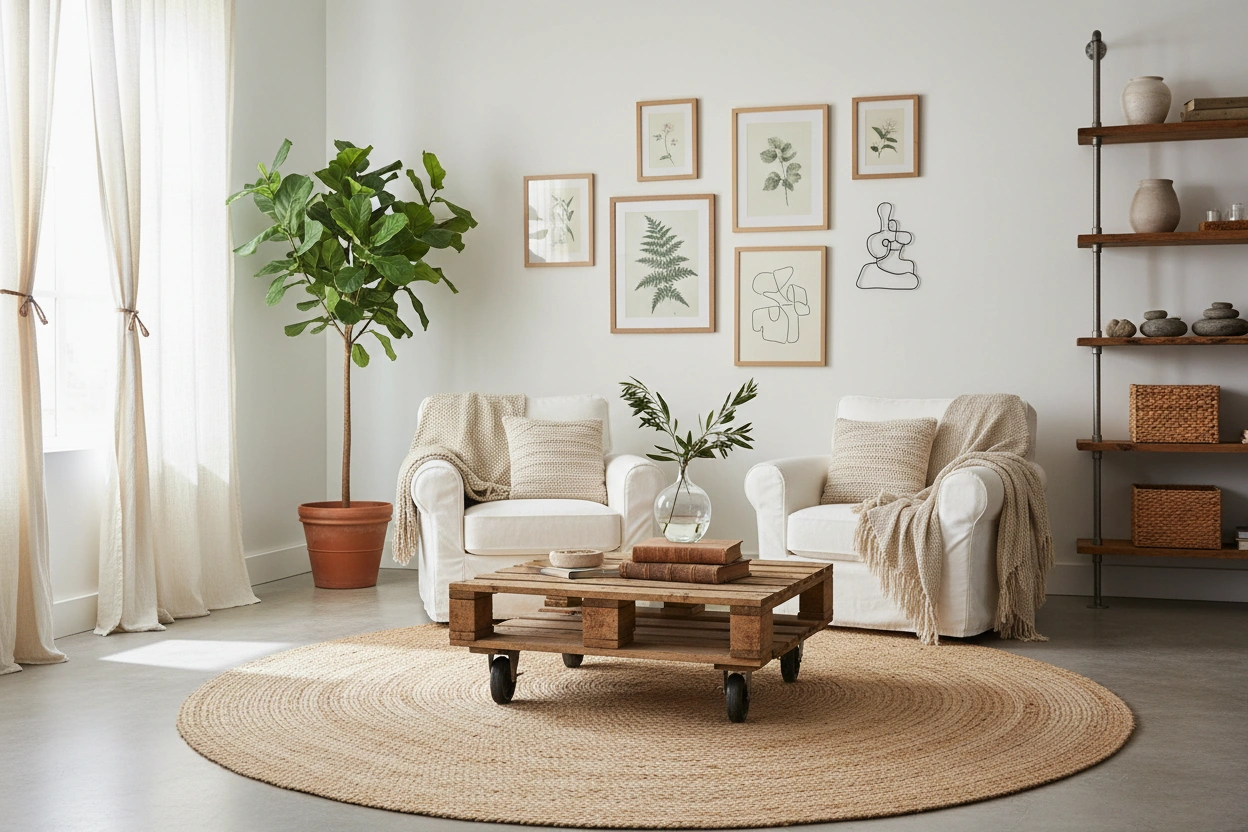
Simple living is a philosophy that emphasizes minimalism, sustainability, and intentionality in our daily lives. As we navigate the complexities of modern life, many individuals are turning to this approach to create a more fulfilling, clutter-free existence. In 2026, the concept of simple living is gaining traction, as people recognize the benefits of reducing material possessions and embracing a more sustainable lifestyle. By adopting budget-friendly decor strategies, you can transform your space into a sanctuary that reflects your values and priorities.
In this article, we'll explore actionable tips for decluttering your home and creating a serene environment that promotes simple living. We will also discuss the importance of sustainable living and how it can be integrated into your home decor choices. Let’s begin by examining the top 10 decluttering tips that will help you achieve a simpler, more organized space.
Top 10 Decluttering Tips for a Simpler Home
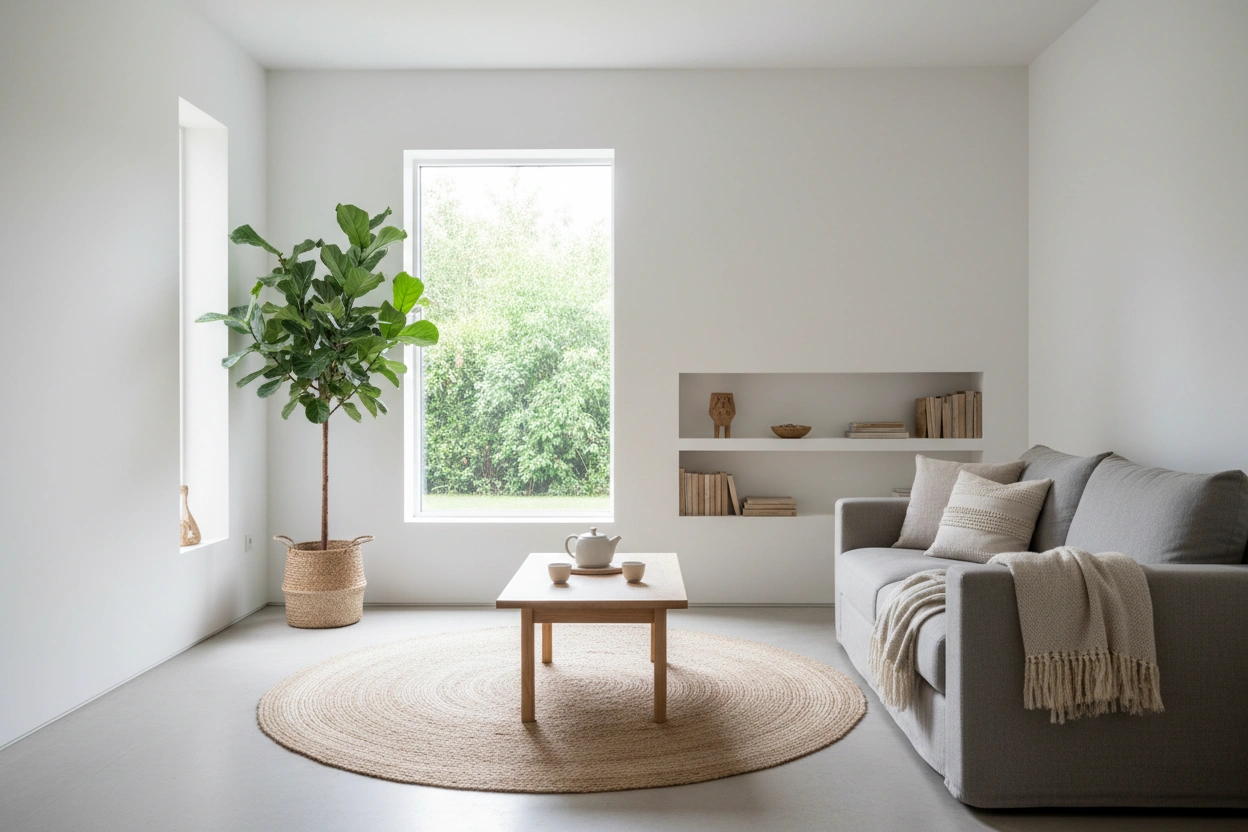
Creating a simpler home starts with effective decluttering strategies. Here are ten practical decluttering tips that can help you streamline your living space while also promoting a simple living mindset.
1. Start Small
Begin your decluttering journey by focusing on a small area, such as a single drawer or a corner of a room. Tackling a manageable space allows you to build momentum and prevents feelings of overwhelm. Once you complete one area, you can gradually move on to larger spaces, maintaining motivation throughout the process.
2. The One-Year Rule
Implement the one-year rule to assess your belongings. If you haven't used an item in the past year, consider whether it truly holds value in your life. This principle encourages you to let go of items that no longer serve a purpose, aligning with the philosophy of simple living.
3. Categorize Your Items
Group similar items together to gain a clearer perspective on what you own. This practice not only makes it easier to see how much you have but also helps identify duplicates or items that can be discarded or donated. For example, gather all your books, clothing, or kitchen utensils in one area to evaluate their necessity.
4. Create a Decluttering Schedule
Set aside dedicated time each week to focus on decluttering. By establishing a consistent schedule, you can make the process feel less daunting and more manageable. This could be as simple as dedicating 30 minutes every Saturday to tackle one specific area of your home.
5. Use the Four-Box Method
The four-box method involves labeling four boxes as "keep," "donate," "sell," and "trash." As you go through your items, place each one into the appropriate box. This method encourages decision-making and ensures that you have a clear plan for handling each item in your home.
6. Digital Decluttering
In today's digital age, decluttering extends beyond physical items. Take the time to organize your digital files, emails, and photos. Delete unnecessary documents, unsubscribe from unwanted emails, and back up important files to reduce digital clutter, which can also contribute to a clearer mental space.
7. Limit Your Purchases
Adopting a simple living mindset involves being mindful of your purchases. Before buying something new, ask yourself if it truly adds value to your life. Establish a waiting period for non-essential items to determine whether you genuinely need them, which can help curb impulse buying.
8. Implement Storage Solutions
Maximize your space by utilizing storage solutions that promote organization. Consider using multifunctional furniture, such as ottomans with storage compartments or shelves that double as room dividers. These solutions can help you maintain a tidy environment while also serving a practical purpose.
9. Create a Donation Box
Keep a designated donation box in your home for items you no longer need. This encourages you to regularly evaluate your belongings and makes it easier to part with items as they accumulate. Once the box is full, take it to a local charity or organization to complete the decluttering cycle.
10. Celebrate Your Progress
Recognizing your accomplishments, no matter how small, is essential in the decluttering process. Celebrate each completed area or box with a small reward, whether it be a treat or time spent doing something you enjoy. This positive reinforcement can help maintain your motivation as you continue your simple living journey.
Sustainable Living and Simple Living
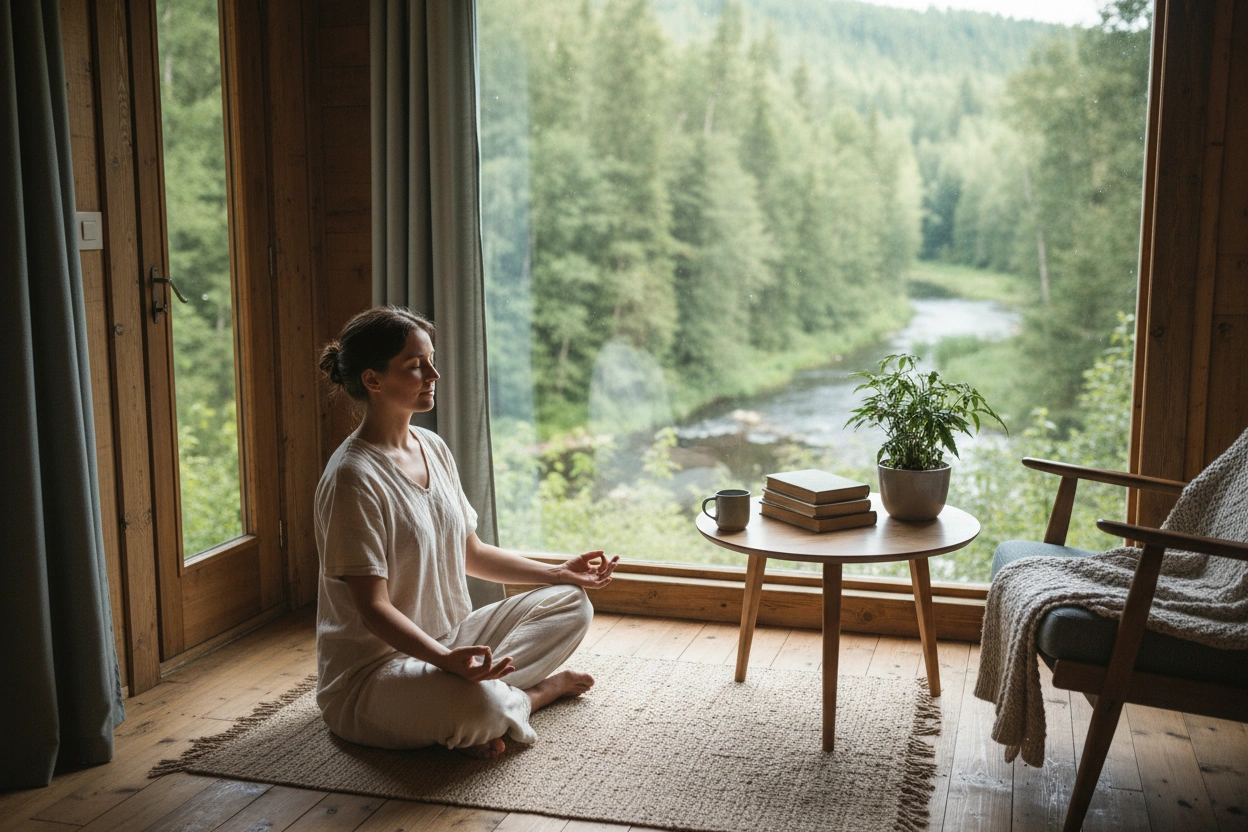
Incorporating sustainable living practices into your home decor is an essential aspect of simple living. Sustainable living not only reduces your environmental impact but also promotes a sense of responsibility toward the planet. Here are several ways to integrate sustainability into your home decor choices.
Choosing Eco-Friendly Materials
When selecting decor items, prioritize those made from sustainable materials. Look for furniture and textiles crafted from organic cotton, bamboo, or reclaimed wood. These materials not only reduce waste but also contribute to a healthier indoor environment.
Upcycling and Repurposing
Embrace the art of upcycling by transforming old items into new decor pieces. For example, you can turn glass jars into planters or repurpose wooden pallets into shelving units. This practice not only reduces waste but also allows for unique, personalized decor that reflects your style.
Support Local Artisans
When purchasing decor, consider sourcing items from local artisans or second-hand shops. Supporting local businesses reduces your carbon footprint associated with shipping and promotes a sense of community. Additionally, these unique finds can add character to your space.
Energy-Efficient Lighting
Opt for energy-efficient lighting solutions, such as LED bulbs, which consume less energy and have a longer lifespan compared to traditional incandescent bulbs. This choice not only saves on energy costs but also contributes to a more sustainable living environment.
Indoor Plants
Incorporating indoor plants into your decor enhances air quality while promoting a connection with nature. Choose low-maintenance plants, such as succulents or snake plants, that thrive indoors with minimal care. This addition not only beautifies your space but also contributes to a more sustainable lifestyle.
Common Misconceptions About Simple Living
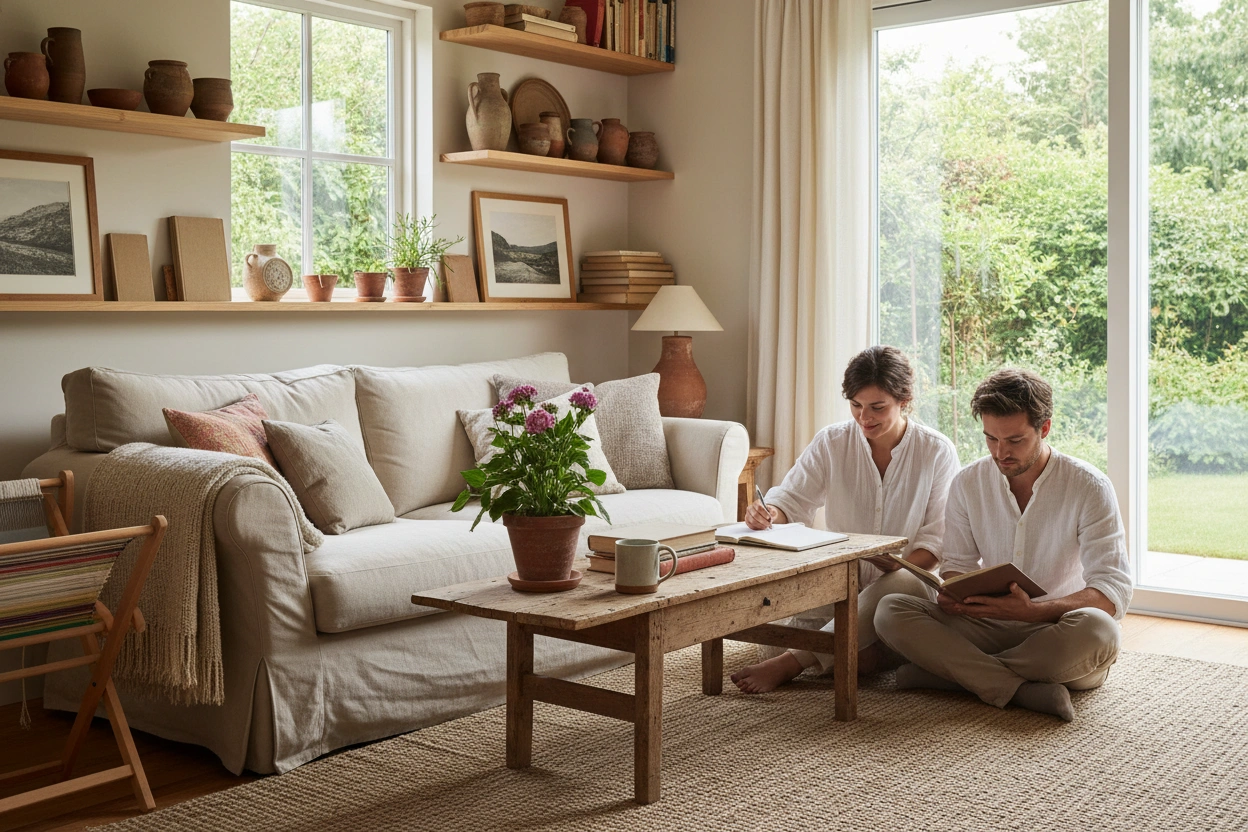
As simple living gains popularity, several misconceptions may arise that could deter individuals from embracing this lifestyle. Understanding these misconceptions can help clarify the true essence of simple living.
Misconception 1: Simple Living Means Living in a Bare Space
Many believe that simple living equates to having an empty or sparsely decorated home. In reality, simple living focuses on intentionality and purpose rather than minimalism for its own sake. You can create a warm, inviting space filled with meaningful items that contribute to your happiness.
Misconception 2: It Requires Significant Sacrifices
While simple living does encourage you to let go of excess, it does not require drastic sacrifices. Instead, it promotes prioritizing what truly matters to you. The goal is to create a space that reflects your values and enhances your quality of life without unnecessary clutter.
Misconception 3: Simple Living is Only for Certain People
Some may think that simple living is only suitable for specific demographics or lifestyles. However, anyone can adopt this approach, regardless of their background or circumstances. Simple living is adaptable and can be tailored to fit individual needs and preferences.
The Intersection of Simple Living and TinyHouse.com
Adopting a simple living approach can profoundly impact your quality of life. By decluttering your home and embracing sustainable living practices, you create a space that fosters peace and fulfillment. TinyHouse.com serves as a valuable resource for those looking to further their journey into simple living. With expert guidance and practical tools, you can explore the possibilities of tiny home living, which aligns perfectly with the principles of minimalism and sustainability.
As you work towards transforming your space with budget-friendly decor strategies, remember that every small step contributes to a more intentional and fulfilling lifestyle. Embrace the simplicity that comes with decluttering and sustainable choices, and let your home reflect your values and aspirations.
For more information on how to implement simple living into your life, visit TinyHouse.com. Here, you can find resources that guide you through the process of building or buying a tiny home, providing a clear path to a simpler, more fulfilling existence. Contact TinyHouse.com today to start your journey toward a simpler life.


.svg)