
What Determines the Cost of a Commercial Roof

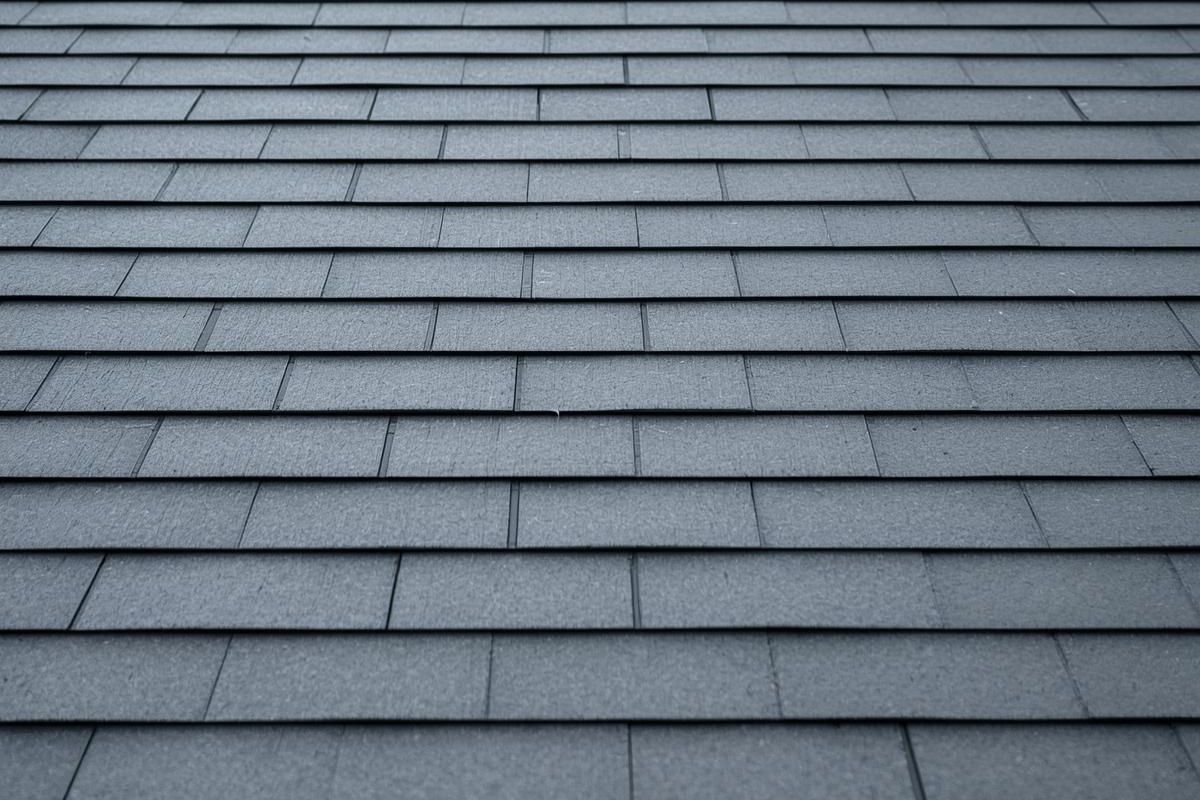
Ask three contractors what a commercial roof costs and you'll get three different numbers — and all of them can be right. Unlike a car or an appliance, a commercial roof isn't a fixed product with a sticker price. It's a system built to fit one specific building, and the price reflects dozens of decisions about that building. So for any owner or property manager trying to budget, the useful question isn't "what does commercial roofing Lincoln cost?" It's "what drives the cost of my roof?" Here's what actually moves the number.
Size and Complexity Aren't the Same Thing
Square footage is the obvious starting point, but two roofs of identical size can price very differently. A wide-open warehouse roof with few penetrations is simpler — and cheaper per square foot — than a roof of equal area broken up by HVAC units, skylights, vents, parapets, and changes in elevation. Every penetration is a place water can get in, so every one adds detail work and flashing. Complexity, not just size, sets the baseline.
The System You Choose
The membrane or roofing system carries a big share of the cost. Single-ply options like TPO and EPDM, modified bitumen, built-up roofing, and metal all sit at different price points and offer different lifespans and performance characteristics. A cheaper system that needs replacing sooner can end up costing more over the life of the building than a pricier one that lasts longer. This is where "cheapest quote" and "best value" often part ways.
Tear-Off vs. Recover
Sometimes a new membrane can go over the existing roof — a recover — which saves on labor and disposal. Other times the old roof has to come off entirely, a tear-off, before anything new goes down. Tear-offs cost more: there's demolition, disposal, and the chance of finding problems underneath. But they're often necessary, and building codes limit how many roof layers are allowed on a structure. Whether your project is a recover or a full tear-off can swing the price meaningfully.
.jpg)
What's Under the Membrane
The part of the job you can't see often decides the price. Once a roof is opened up, crews may find wet or deteriorated insulation, a damaged deck, or rot that has to be replaced before the new system goes on. A reputable contractor flags that possibility up front and prices honestly rather than burying it — but the deck's condition is a genuine variable, and a quote that pretends there's zero chance of a surprise underneath may not hold.
Insulation, Drainage, and Code
Modern energy codes often require a certain amount of insulation, which adds material and cost but pays back in energy performance over time. Drainage matters too: if water pools on a roof, the fix might involve tapered insulation to build in slope, which is more involved than a flat lay-down. Bringing an older roof up to current code can add line items an owner didn't expect — but those items protect the building; they're not padding.
Access and Logistics
A single-story building with easy parking-lot access is cheaper to work on than a multi-story roof that needs cranes, lifts, or careful staging around an occupied business. If the building has to keep operating during the work, or materials can only be moved at certain hours, that shows up in the labor line. None of it is glamorous, but it's all real cost.
Repair vs. Replacement
Not every commercial roof problem is a replacement. A sound roof with an isolated leak or a failed seam is often a repair — a fraction of the cost — and a good contractor will say so when that's the smarter move. Replacement makes sense when patching stops paying off: widespread failure, a roof near the end of its service life, or repeated repairs in the same season. The right call depends on the roof's age and condition, which is exactly why an on-roof inspection beats a phone estimate every time.
How to Compare Quotes Fairly
Because so much varies, the lowest number isn't automatically the best deal. Compare what each quote actually includes: the system and its warranty, whether it's a tear-off or a recover, how the deck and insulation are handled, and what happens if the crew finds something unexpected. A slightly higher quote that spells all of this out is usually more trustworthy than a low one that leaves it vague. Ask for the scope in writing, and ask the contractor to walk you through why the roof needs what it needs.
A commercial roof is one of the larger investments a building owner makes, and it protects everything underneath it. Understanding the factors above won't hand you a magic number — nothing will, without a look at your specific roof — but it will help you read a quote critically and spend with confidence. At Apple Roofing, we are a roofing contractor based in Lincoln, Nebraska, serving building owners and property managers across the region.
Media Contact:
Company Name: Apple Roofing
Phone: 402-543-3290
Address: 1633 Normandy Ct.,
Suite C
City: Lincoln
State: NE
ZIP Code: 68512
Country: United States
Website: https://appleroof.com/lincoln-ne/
Social Media:
https://www.facebook.com/appleroofing
https://www.linkedin.com/company/apple-roofing-llc/


.svg)


.jpg)