What Hybrid Turf Is and Why Homeowners Are Choosing It Over Sod

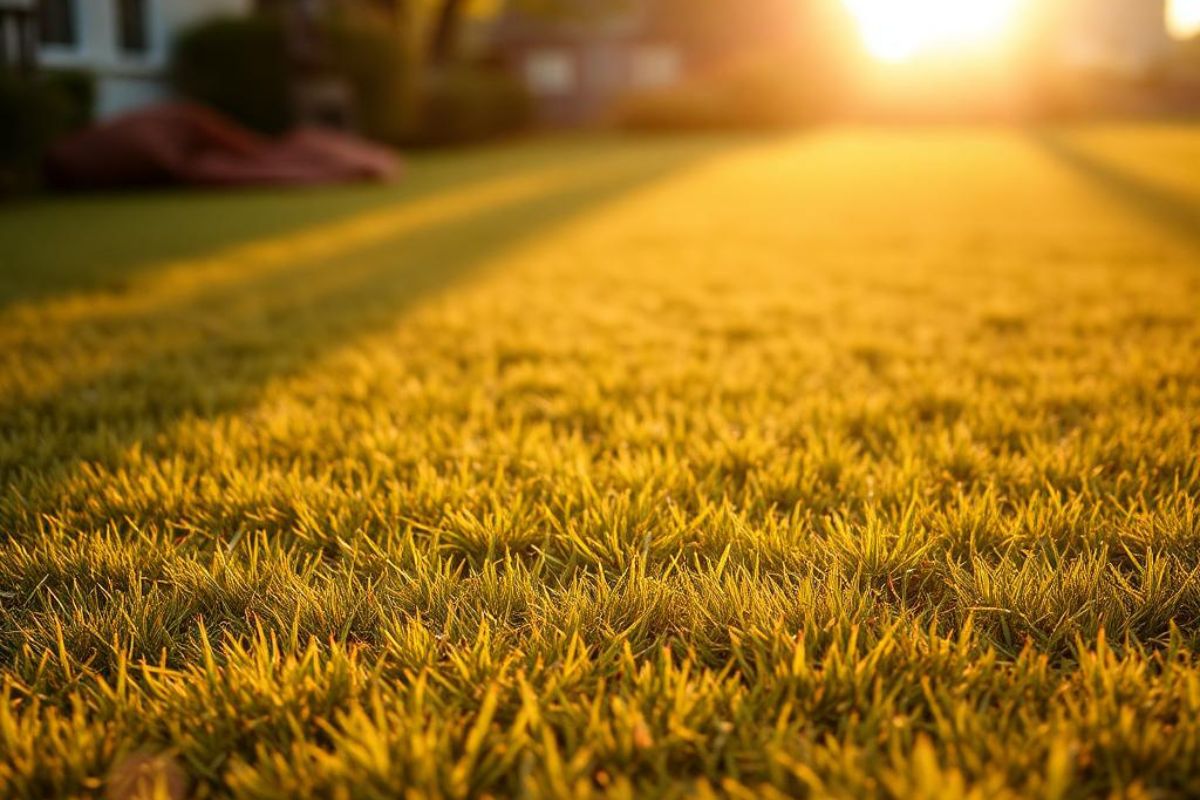
Hybrid turf combines synthetic reinforcement with living grass, creating a lawn surface that supports vegetation while protecting soil from repeated traffic. Unlike conventional artificial turf, it does not replace natural grass with a fully synthetic covering. Unlike ordinary sod, it helps shield young or established plants from wear, paw damage, and muddy conditions. That difference makes hybrid turf beneficial for homeowners who want a living lawn with added ground protection.
Choosing the right lawn system starts with first understanding "What is hybrid turf?” Hybrid turf is a perforated, three-dimensional layer installed over prepared soil, grass seed, existing grass, or sod. Its openings let grass grow through while air and water move toward the soil. The result is a surface where synthetic reinforcement and living vegetation work together instead of competing.
How Hybrid Turf Works
Hybrid turf protects the plant crown, which is the base of the grass plant where new growth develops. Dogs, children, and regular foot traffic can repeatedly press against this area and wear grass down. Once the crown becomes damaged, exposed soil replaces the lawn, especially along gates, fence lines, and frequently used paths.
The turf layer spreads contact across the surface and reduces direct pressure on the ground. Grass still needs suitable soil, sunlight, moisture, climate, and routine care. Hybrid turf supports those growing conditions, but it does not create grass where the site cannot support it.
Water and air continue moving through the perforations. This allows the soil to drain while grass grows upward through the openings. Homeowners can install the material over seed, overseed after installation, reinforce established grass, or place it over fresh sod.
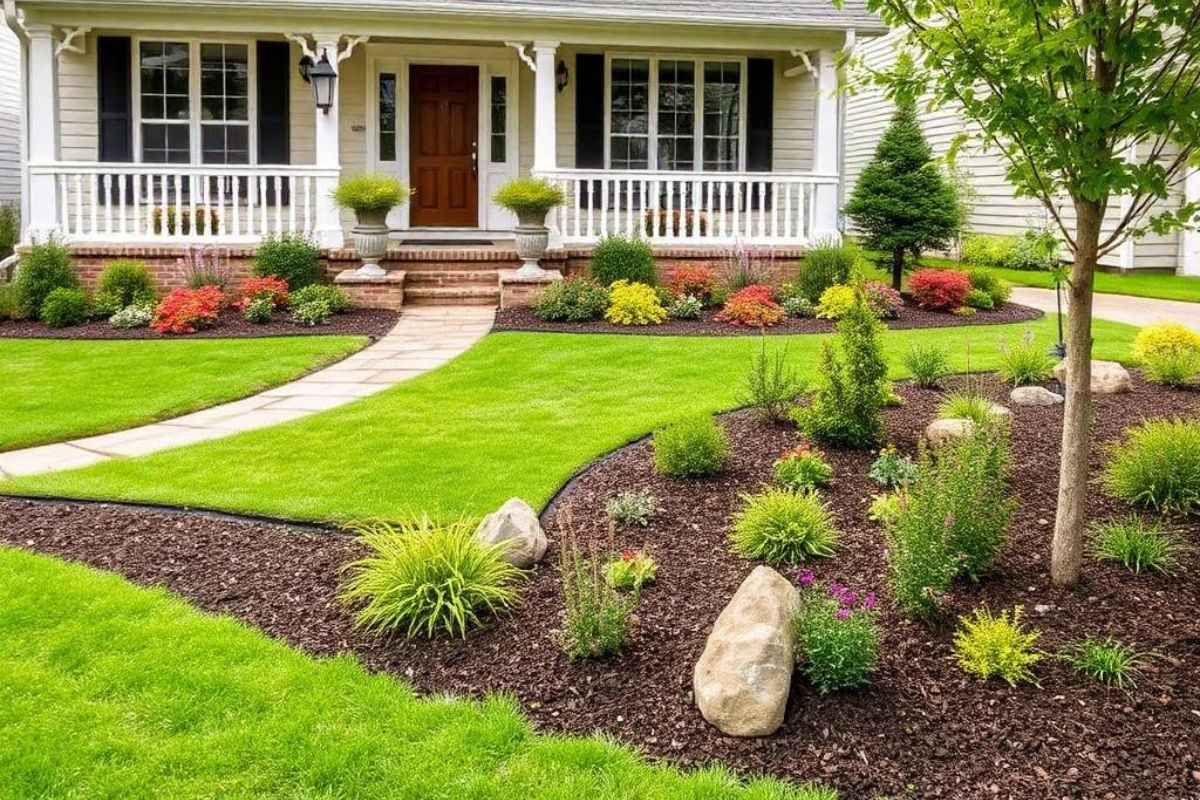
Hybrid Turf Compared With Sod
Sod provides an immediate living lawn because it arrives with established grass and soil. It still needs watering, time to root, and protection while the plants settle in. Heavy use during that period can damage the sod before its roots become established.
Homeowners can install hybrid turf over sod to add protection during that vulnerable stage. Grass continues growing through the perforations, while the reinforcement reduces direct foot and paw traffic. This combination helps homeowners keep a natural lawn without leaving new sod exposed to rapid wear.
Sod also requires favorable growing conditions to remain healthy. Hybrid turf does not remove that requirement. It provides a protective layer, which is most useful in areas where repeated traffic creates bare patches or mud.
Why Homeowners Choose Hybrid Turf
It Keeps Living Grass In the Yard
Some homeowners prefer the color, texture, and seasonal behavior of natural grass. Hybrid turf allows that living surface to remain part of the lawn. Grass can grow, go dormant, recover, and receive regular care as conditions change.
It Reduces Damage In Busy Areas
Dogs often use the same routes through a yard, concentrating traffic in narrow paths. Hybrid turf reinforces those areas before repeated use turns grass into exposed dirt. It also creates a barrier between paws and mud in thin-vegetation areas.
It Supports Normal Lawn Care
You can mow natural grass growing through hybrid turf as usual. The material is less than one inch tall and stays below typical mower blade heights. Before mowing, homeowners should check that the turf lies flat and that its edges remain secured.
Installation And Maintenance Details
Hybrid turf doesn't require the rock, silica sand, or infill common to many artificial turf systems. It installs over prepared ground and anchors into place. That simpler structure helps preserve the soil and vegetation beneath the surface.
Maintenance still includes watering, mowing, overseeding, and selecting grass suited to the local climate. Sun-loving varieties won't thrive in deep shade, and warm-season grass won't stay actively growing through a northern winter.
During dormancy, the grass can turn brown while the hybrid turf remains in place. The material continues to protect the plant crown until growing conditions return. Homeowners should also check outdoor surfaces during hot weather, since direct sunlight heats any lawn system.
Conclusion
Hybrid turf offers a practical middle ground between unprotected sod and a fully synthetic lawn. It keeps living grass in place while reducing damage from repeated traffic, muddy conditions, and difficult yard routes. The best next step is to inspect the areas that lose grass first, then assess their sunlight, drainage, soil, and traffic patterns. If those conditions support grass growth, hybrid turf can reinforce the area without removing the natural lawn.