Why Professional Fencing Improves Security and Property Value

Security and resale potential often begin at the perimeter, long before anyone studies finishes inside. A professionally built fence does more than divide the ground. It creates order, supports privacy, and reduces exposed entry points. Buyers, tenants, and insurers notice those signals quickly. Sound installation also reduces premature wear, helping owners avoid recurring repair costs while keeping the exterior tidy, dependable, and easier to maintain through changing seasons.
Security Starts At the Edge
Perimeter strength begins below grade, where post depth, footing stability, and gate placement determine whether a fence can hold under stress. In areas with heavy rain, intense sun, or shifting soil, teams such as Fortera Fencing demonstrate why proper foundations matter. That early precision helps restrict unwanted access, preserve privacy, and prevent leaning sections that weaken both appearance and daily protection.
Safer Access
A fence creates a controlled entry route, which matters for homes, rental sites, and workplaces. Clear boundaries discourage casual trespass and reduce direct views into private areas. Properly installed gates also swing freely and latch with consistent pressure. That detail may seem minor at first, yet faulty hardware often becomes the earliest point of failure during regular use or in severe weather conditions.
Better Street Appeal
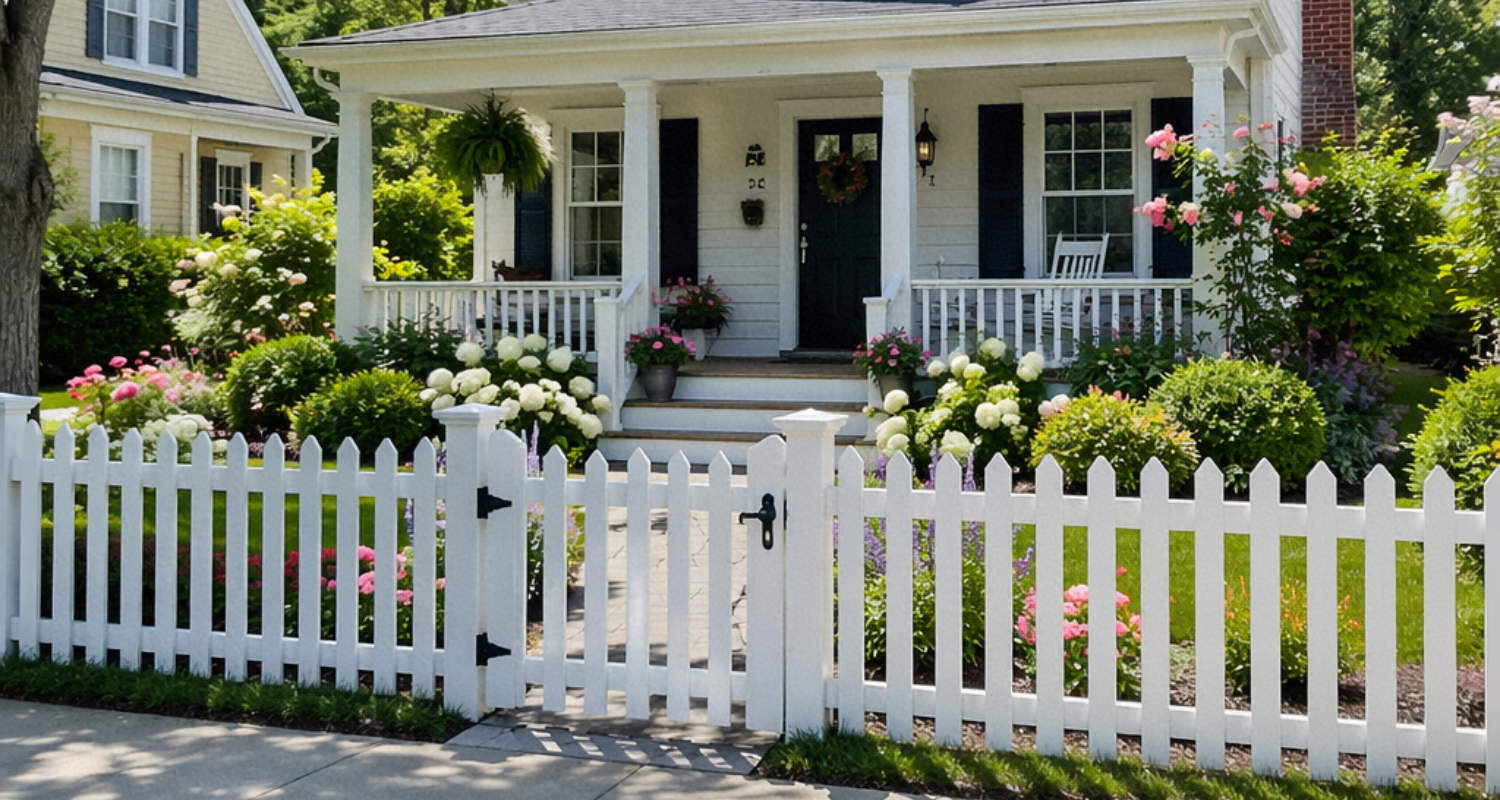
Prospective buyers judge exterior care before they inspect flooring, fixtures, or room layout. Straight lines, even spacing, and clean finishes suggest consistent upkeep throughout the lot. That visual cue can raise perceived quality well beyond the fence itself. By contrast, a patched or uneven barrier often makes the property feel older, less secure, and more likely to require near-term spending.
Repairs Cost More
Poor workmanship usually hides its flaws until months of exposure begin to shift posts or strain fasteners. Gates may drag, panels can twist, and moisture often reaches vulnerable joints. Small defects rarely stay contained for long. Paying for skilled installation upfront often costs less than repeated service calls, replacement materials, and lost use after preventable structural problems arise.
Material Fit
Each fencing material carries a distinct look, maintenance profile, and service life. Choosing well depends on climate, privacy needs, and how the site functions every day.
Match Usage to Site
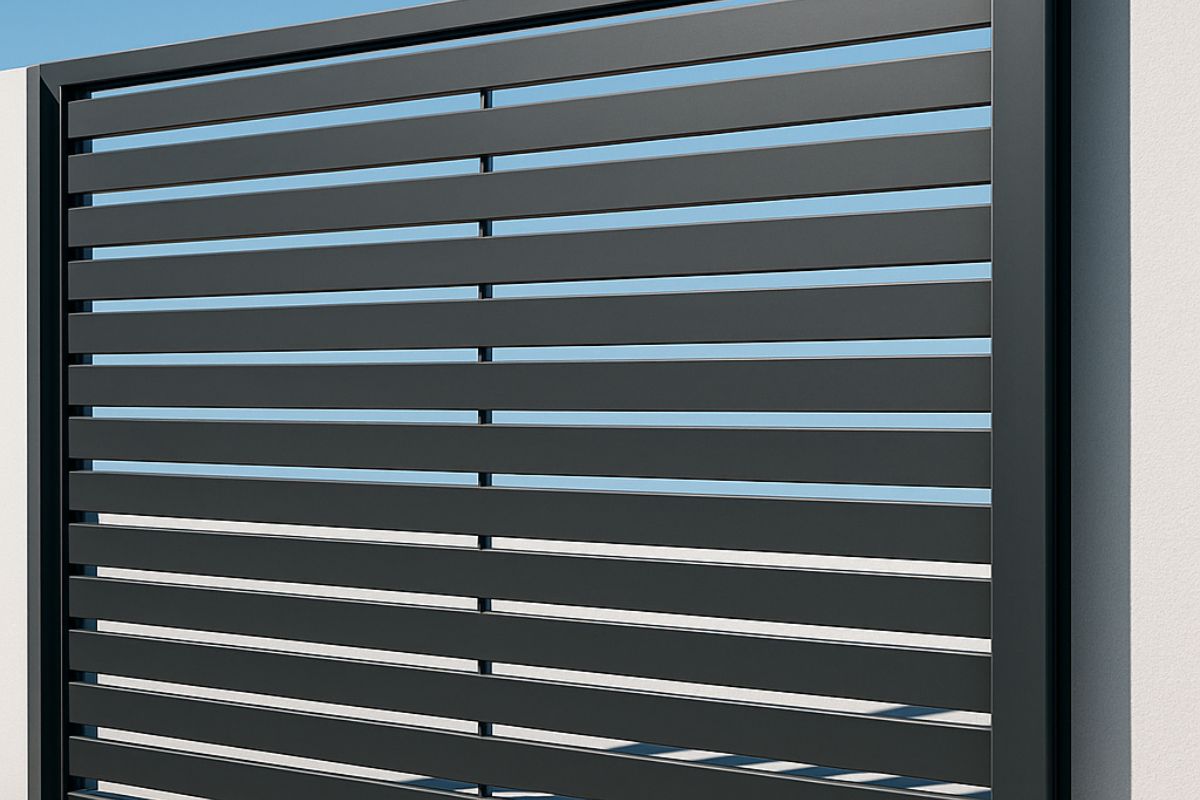
Wood offers warmth and solid screening. Vinyl reduces routine upkeep. Aluminum suits open frontages where visibility matters. Chain link efficiently covers broad utility areas. A trained installer can match the system to soil conditions, sun exposure, and expected wear. That decision protects long-term performance while helping the enclosure look appropriate for the setting rather than being forced onto it.
Weather Matters
Climate shift places constant mechanical stress on exterior structures. Rain can loosen soil, wind tests alignment, and prolonged sun exposure weakens lower-grade products. Professional crews account for those pressures during layout and installation. Post depth, drainage planning, and hardware choice all influence how well the structure keeps its shape. Careful preparation helps the fence remain stable after demanding seasons and repeated use.
Insurance and Liability
Defined boundaries can support safer site management in practical, visible ways. A secure perimeter helps keep children within play areas, separates pets from traffic, and limits unplanned entry near equipment or pools. Those outcomes may reduce liability concerns for owners and managers. Policy terms differ, yet insurers often view durable barriers more favorably than improvised enclosures that fail under routine strain.
.png)
Commercial Signals
For commercial properties, fencing serves as a visual marker of operating standards as much as a physical barrier. Clients, vendors, and tenants often read exterior maintenance as evidence of broader site discipline. A straight, dependable perimeter suggests oversight, consistency, and care. That first impression can support trust before any meeting begins, adding quiet value beyond lighting, locks, and surveillance systems.
Long-Term Value
Resale value grows through both function and appearance. A fence that remains leveled after years of weather can strengthen listing photos and improve in-person tours. Buyers often adjust offers when future repairs seem likely, even if that concern stays unspoken. Reliable workmanship helps remove that discount. Over time, a durable installation can preserve negotiating power and support a cleaner closing process during a sale.
Conclusion
Professional fencing improves far more than curb appeal. It strengthens perimeter control, supports privacy, lowers repair risk, and adds visible order that future buyers notice immediately. Those gains matter for residential, rental, and commercial properties alike. Material choice plays a role, yet installation quality determines how well each component performs over time. A fence built with care can protect daily use now while supporting property value for years to come.


.svg)
.jpg)