A Complete Guide to Tiny House Roofing Materials and Costs

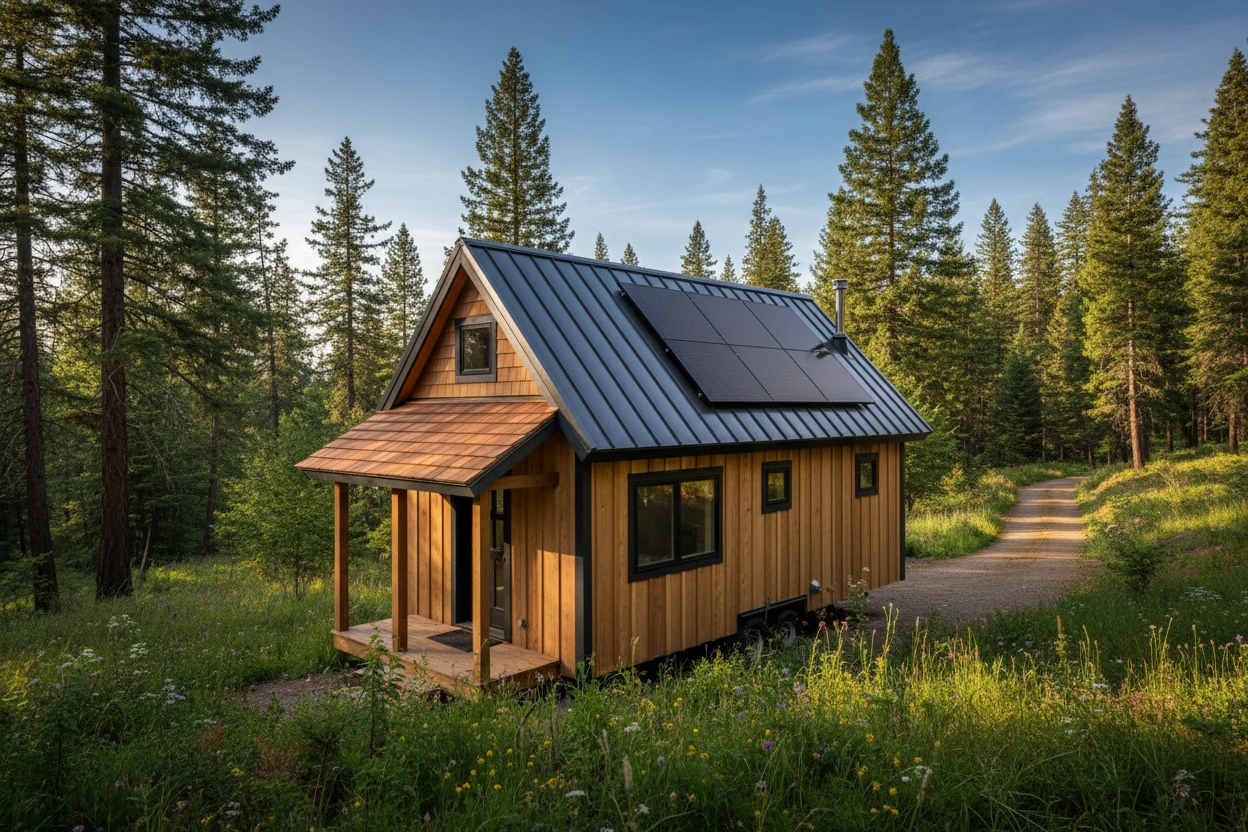
Building a tiny house has become a popular choice for individuals and couples seeking a minimalist lifestyle that emphasizes sustainability and affordability. One of the most critical aspects of constructing a tiny home is selecting the right roofing materials. The roof not only protects the house from the elements but also plays a significant role in energy efficiency, aesthetics, and overall durability. Understanding the various options available for tiny house roofing is essential for making an informed decision that aligns with your needs and budget.
This guide will cover the best roofing materials for tiny houses, focusing on their costs, advantages, and disadvantages. By the end of this article, you will have a comprehensive understanding of the choices available, enabling you to make a well-informed decision tailored to your unique tiny house vision.
Top 5 Roofing Types for Tiny Homes
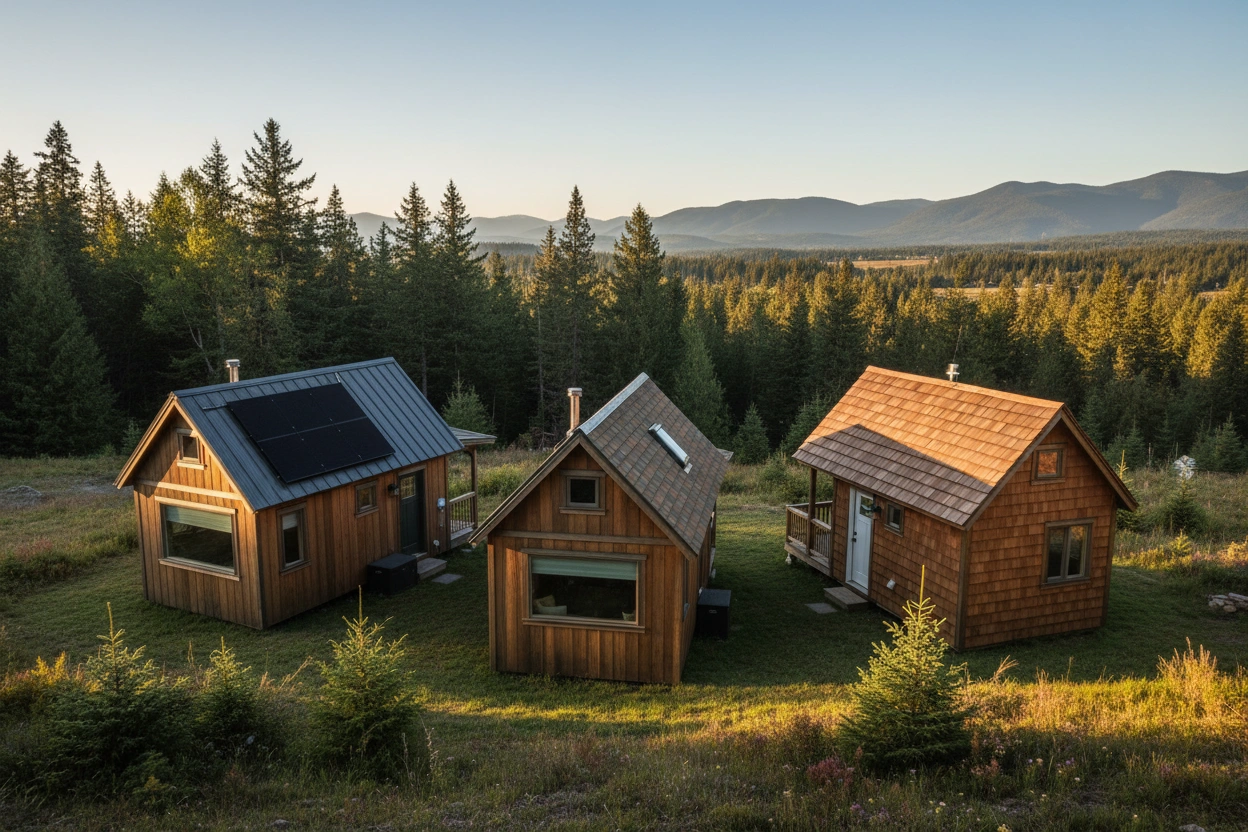
When considering tiny house roofing, various materials can be used, each offering distinct benefits and challenges. The following are five of the most popular roofing types for tiny homes:
1. Metal Roofing
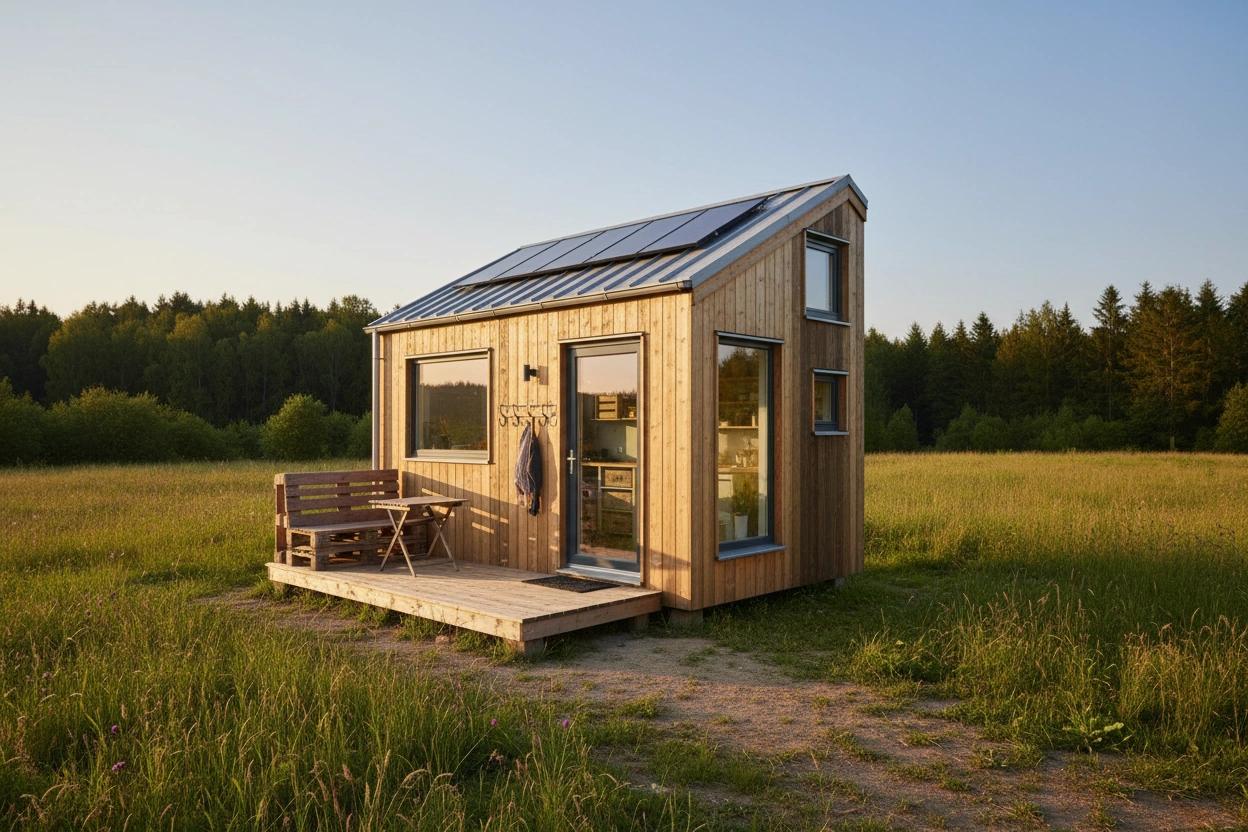
Metal roofing is a popular choice among tiny house builders for several reasons. First and foremost, it is highly durable, often lasting 40-70 years with proper maintenance. This longevity makes it a cost-effective option in the long run. Metal roofs are also resistant to wind, fire, and snow, which can be particularly beneficial in harsher climates.
Pros:
- Extremely durable and long-lasting
- Lightweight, making it suitable for tiny house structures
- Reflects heat, improving energy efficiency
- Low maintenance requirements
Cons:
- Higher initial cost compared to some other materials
- Can be noisy during rain or hail storms
- Potential for denting from hail or falling branches
2. Asphalt Shingles
Asphalt shingles are one of the most common roofing materials in North America, and they can be an excellent choice for tiny homes as well. They are relatively inexpensive and easy to install, making them a go-to option for many DIY builders. Asphalt shingles are available in various colors and styles, allowing for customization to match the aesthetic of the tiny house.
Pros:
- Affordable and widely available
- Easy to install, even for DIY enthusiasts
- Various styles and colors to choose from
Cons:
- Shorter lifespan (typically 15-30 years)
- Less energy-efficient compared to metal or tile options
- Susceptible to mold and algae growth in humid environments
3. Clay or Concrete Tiles
Clay and concrete tiles offer a unique aesthetic that can enhance the visual appeal of a tiny house. These materials are known for their durability and can last over 50 years with proper care. Additionally, they provide excellent insulation, helping to regulate temperature within the home.
Pros:
- Long lifespan and excellent durability
- Good thermal performance, reducing energy costs
- Fire-resistant
Cons:
- Heavier than other roofing materials, requiring additional structural support
- Higher upfront costs
- More complex installation process
4. Green Roofing
Green roofs, or living roofs, are becoming increasingly popular among eco-conscious builders. This roofing type involves planting vegetation on the roof, providing excellent insulation and reducing stormwater runoff. They can also enhance the home's aesthetic value and contribute to biodiversity.
Pros:
- Environmentally friendly and sustainable
- Provides excellent insulation
- Reduces urban heat and stormwater runoff
Cons:
- Requires regular maintenance and irrigation
- Higher installation costs
- Not suitable for all climates or building structures
5. Rubber Roofing
Rubber roofing is a versatile option that can be used for tiny houses, especially for flat or low-slope roofs. Made from recycled tires, rubber roofing is eco-friendly and offers excellent waterproofing capabilities. It is also resistant to UV rays and extreme weather conditions.
Pros:
- Eco-friendly and made from recycled materials
- Excellent waterproofing properties
- Long lifespan, often exceeding 30 years
Cons:
- Limited aesthetic appeal compared to other materials
- Can be more expensive than traditional materials
- Requires proper installation to avoid leaks
Cost Considerations for Tiny House Roofing
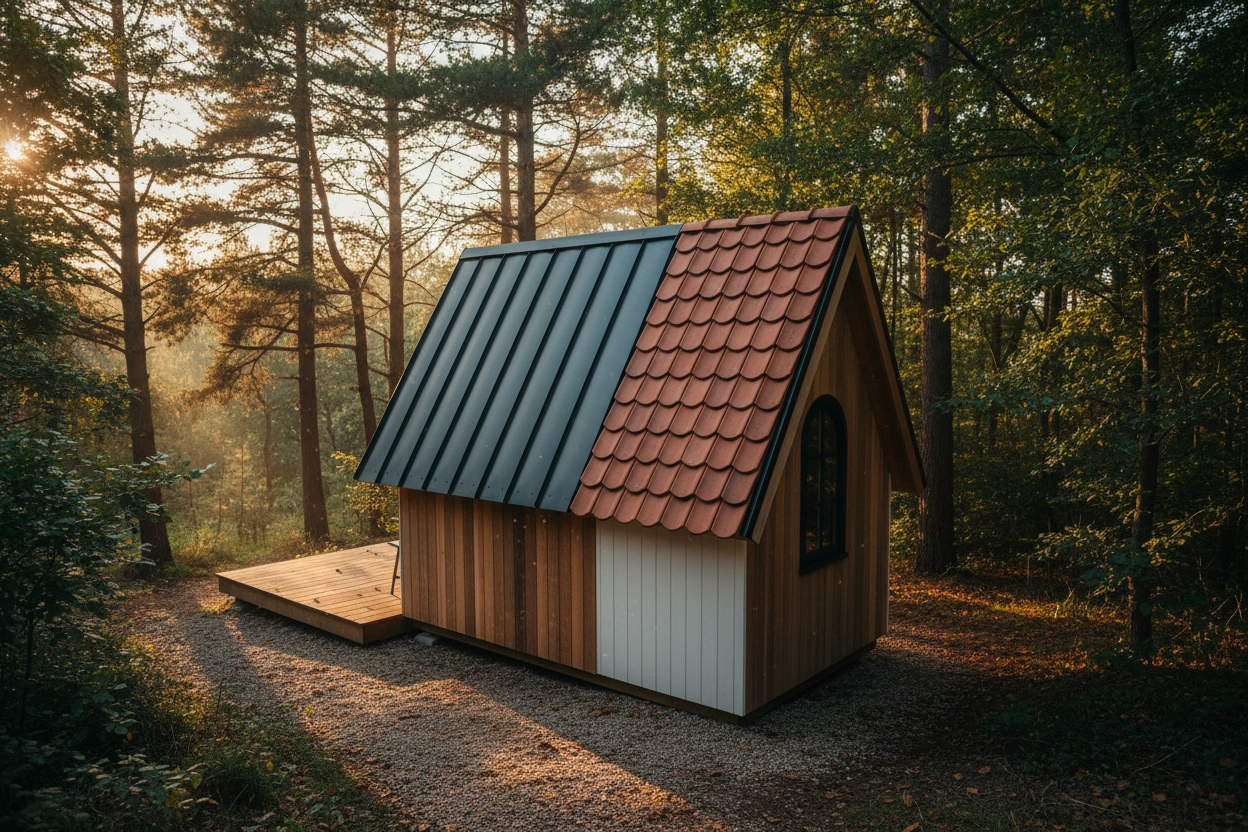
When planning your tiny house roofing project, understanding the costs associated with each type of material is essential. The overall cost can vary based on factors such as material selection, labor, and geographical location. Here’s a breakdown of average costs for each roofing type:
1. Metal Roofing
Metal roofing typically ranges from $3.50 to $7.50 per square foot installed, depending on the type of metal and complexity of installation. While the initial cost may be higher, the long lifespan and low maintenance can make it a cost-effective choice over time.
2. Asphalt Shingles
Asphalt shingles are one of the most budget-friendly options, costing between $1.50 and $5.50 per square foot installed. This makes them an attractive choice for those on a tight budget, but keep in mind their shorter lifespan. For more information on affordable tiny house roofing, you can check out our detailed guide.
3. Clay or Concrete Tiles
The cost for clay or concrete tiles can vary widely, typically ranging from $5 to $15 per square foot installed. While the initial investment is significant, their durability and insulation properties can offset costs over the roof's lifespan.
4. Green Roofing
Green roofs can be more expensive to install, generally costing between $10 and $25 per square foot installed. The investment can be worthwhile for those looking to enhance energy efficiency and contribute to the environment, but it requires commitment to maintenance.
5. Rubber Roofing
Rubber roofing costs range from $4 to $8 per square foot installed. This option is often chosen for its waterproofing capabilities, especially for flat roofs, and can provide long-term savings on energy bills.
Common Mistakes to Avoid
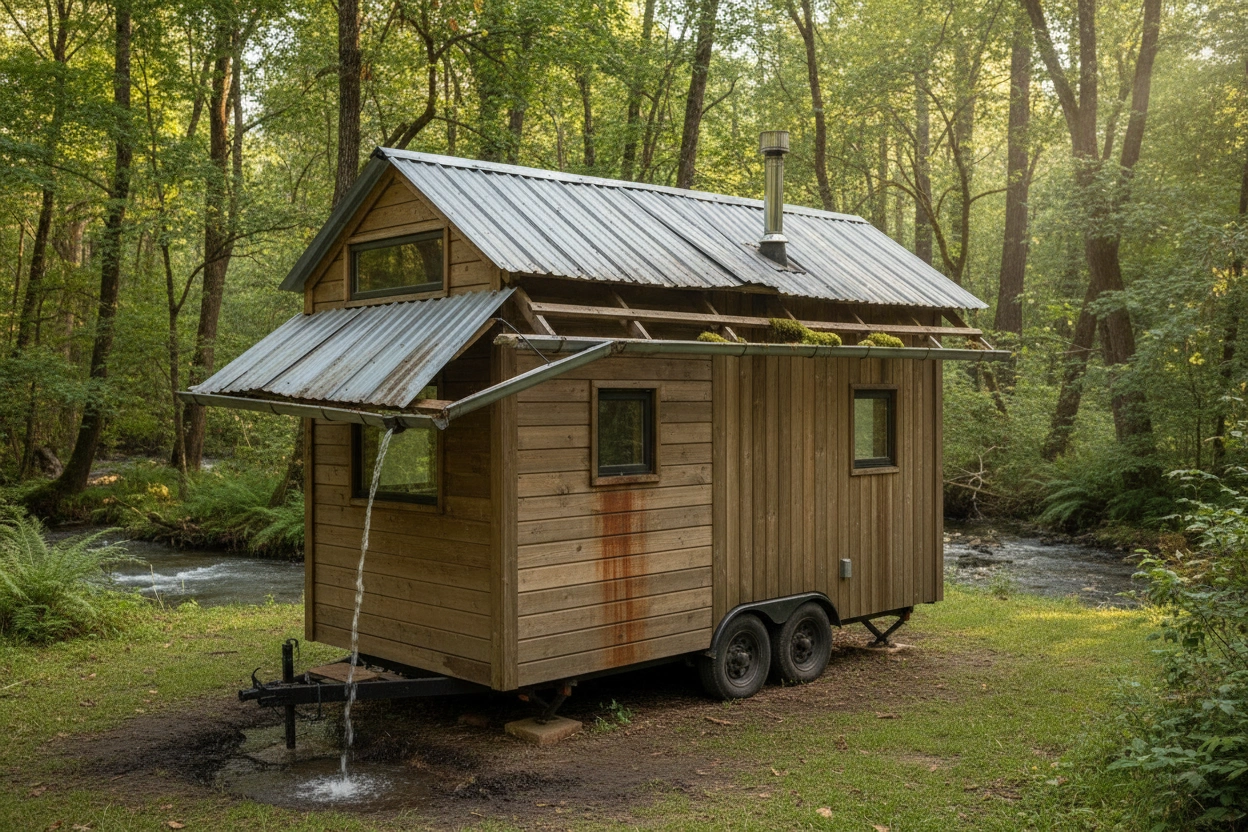
When selecting roofing materials for your tiny house, certain pitfalls can lead to increased costs and complications. Here are some common mistakes and how to avoid them:
1. Overlooking Climate Considerations
Choosing roofing materials that are not suited to your local climate can lead to premature wear and additional costs. Research the right tiny house roofing for extreme weather conditions, such as snow load, rainfall, and temperature fluctuations.
2. Ignoring Energy Efficiency
Many roofing materials offer varying levels of insulation and energy efficiency. Failing to consider these factors can result in higher energy bills over time. Look for materials that reflect heat or provide better thermal insulation.
3. Skipping Professional Advice
While DIY projects can be rewarding, it's essential to consult with roofing professionals, especially for complex installations. Their expertise can save you time, money, and potential headaches down the road.
The Intersection of Tiny House Roofing and Sustainable Living
Choosing the right roofing material is a vital part of constructing your tiny house. With a variety of options available, you can find materials that align with your budget, aesthetic preferences, and environmental values. As you navigate the selection process, keep in mind the importance of durability, energy efficiency, and climate suitability.
TinyHouse.com is committed to providing you with the resources and information necessary to make informed decisions about your tiny house project. Whether you're looking for guidance on roofing materials or need assistance with the entire building process, tiny house roofing installation guide can help you every step of the way.
For more information on tiny house roofing and to explore additional resources, visit TinyHouse.com today. You’ll find valuable insights that can assist you in creating the tiny home of your dreams while ensuring it is both functional and sustainable.


.svg)