Best Roofing Materials for Tiny Houses: Pros and Cons Explained

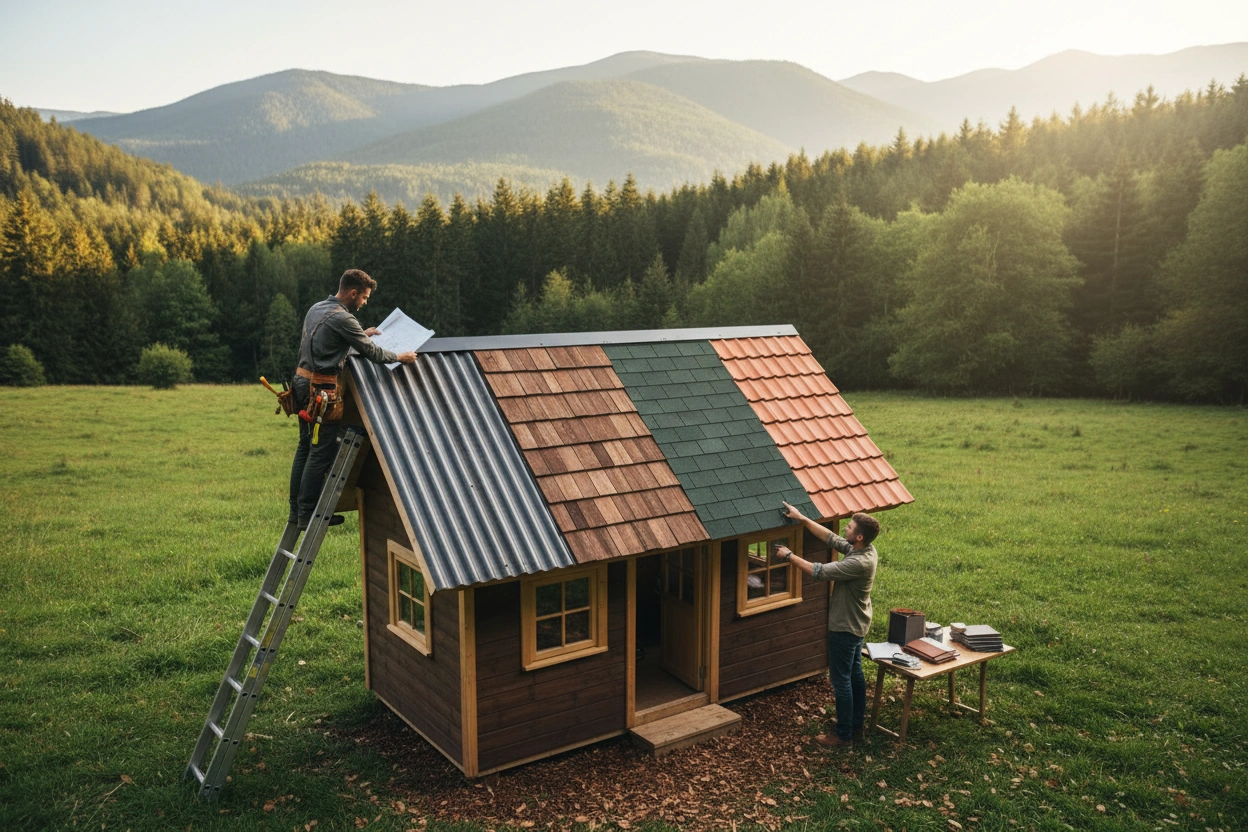
The movement toward tiny homes has gained significant traction in recent years, especially as more individuals seek affordable and sustainable living options. A key element of any tiny house is its roofing, which not only protects the structure but also plays a role in energy efficiency and aesthetics. Choosing the right roofing material is essential for maximizing both functionality and style in a tiny living space. This article will provide an in-depth look at the best roofing materials for tiny houses, discussing their pros and cons to help you make informed decisions for your project.
Understanding Tiny House Roofing
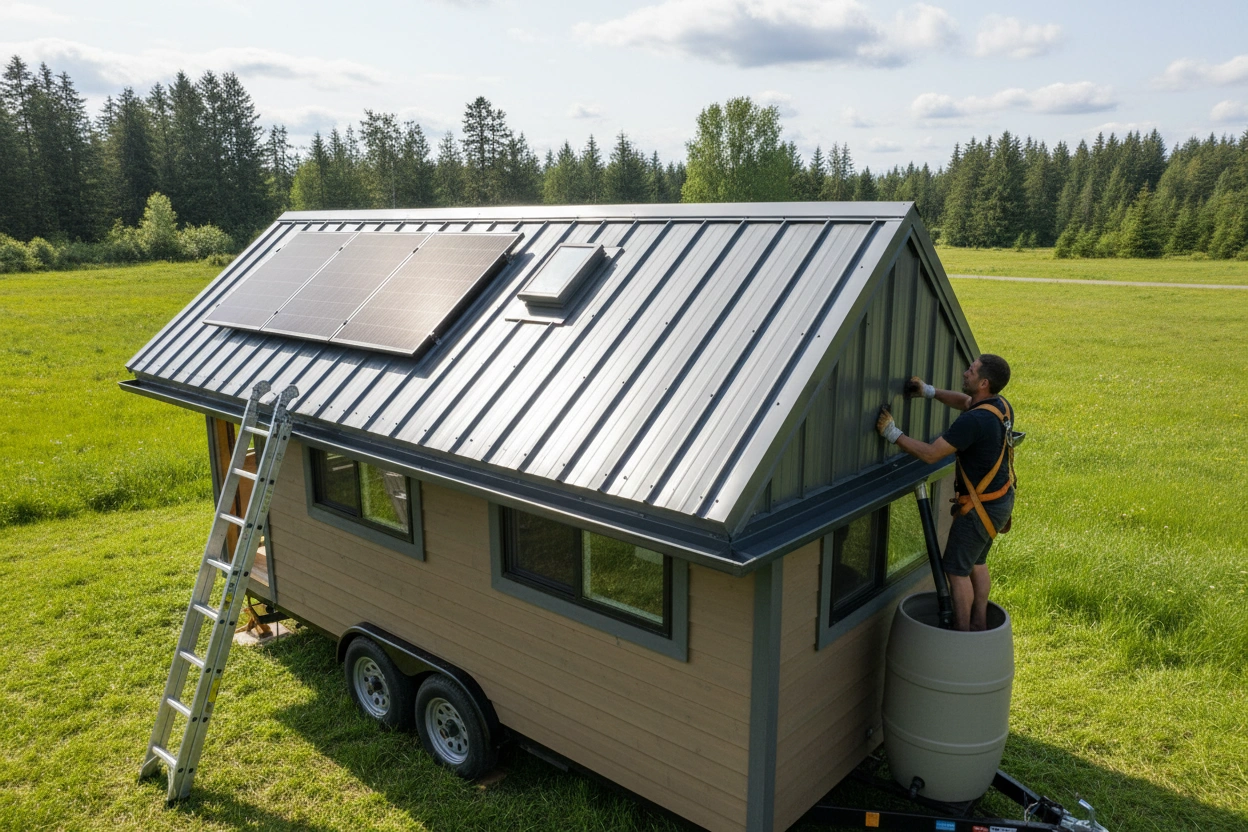
Tiny house roofing differs from traditional roofing in several ways, including design, weight considerations, and material selection. These homes are typically smaller and lighter, which means the roofing materials must meet specific structural requirements while still being aesthetically pleasing. Additionally, tiny homes often prioritize energy efficiency, making the choice of roofing materials even more critical.
When selecting roofing materials for tiny houses, it's essential to consider factors such as durability, weight, cost, and insulation properties. The following sections will explore the most popular roofing materials used in tiny house construction, detailing their respective advantages and disadvantages.
Top Roofing Materials for Tiny Houses: Pros and Cons
Metal Roofing
- Pros: Metal roofing is highly durable and can withstand harsh weather conditions. It is lightweight, which is ideal for tiny homes that have to comply with specific weight limits. Metal roofs also reflect heat, contributing to energy efficiency, and can last up to 50 years with minimal maintenance.
- Cons: On the downside, metal roofing can be noisy during rain or hail, and it may require additional insulation to mitigate this issue. The initial cost can also be higher than other materials, though the long-term savings on maintenance and energy bills can offset this.
Asphalt Shingles
- Pros: Asphalt shingles are one of the most common roofing materials due to their affordability and ease of installation. They come in various styles and colors, allowing for customization. Asphalt shingles also provide decent insulation and can last around 20-30 years with proper maintenance.
- Cons: However, asphalt shingles are less durable than metal and can be prone to damage from extreme weather conditions. They may also require replacement sooner than other materials, leading to additional costs over time.
Wood Shakes and Shingles
- Pros: Wood shakes and shingles offer a natural aesthetic that many tiny homeowners find appealing. They provide good insulation and can be sourced sustainably. When treated properly, they can last up to 30 years.
- Cons: The maintenance requirements for wood roofing are higher compared to other materials. Wood is also susceptible to rot, mold, and insect damage, particularly in humid climates, which can lead to additional costs for repairs or replacements.
Tile Roofing
- Pros: Tile roofing, particularly clay or concrete tiles, is known for its longevity and resistance to extreme weather. It also offers excellent insulation properties, helping to regulate indoor temperatures. Tile roofs can last over 50 years when installed correctly.
- Cons: The primary drawback of tile roofing is its weight, which may not be suitable for all tiny house structures. Additionally, the cost can be significantly higher than other materials, and installation may require specialized labor.
EPDM (Ethylene Propylene Diene Monomer) Roofing
- Pros: EPDM is a synthetic rubber roofing material that is lightweight, durable, and highly resistant to UV rays and weather conditions. It is also relatively inexpensive and easy to install, making it a popular choice for tiny houses.
- Cons: While EPDM is durable, it may not offer the same aesthetic appeal as other roofing materials. Additionally, it can be prone to punctures if not carefully installed or maintained.
Key Considerations for Tiny House Roofing
When deciding on roofing materials for your tiny house, several key considerations should guide your choice:
Weight and Structure
The roof must be compatible with the overall structure of the tiny house. Lighter materials like metal or EPDM are often preferred, as they put less strain on the foundation. Before selecting a material, ensure your structure can support it without compromising safety.
Climate Suitability
Consider the climate in which you will be living. For instance, metal roofing is excellent for areas with heavy snowfall due to its ability to shed snow easily. Conversely, tile roofing might be more suitable for warmer climates due to its insulating properties.
Cost and Budget
Budget constraints are always a factor in building a tiny house. While some materials may have a higher upfront cost, others may offer long-term savings through durability and energy efficiency. Assess the total cost of ownership, including maintenance and potential replacements.
Aesthetic Appeal
A tiny house often emphasizes a minimalist and appealing design. The roofing material should complement the overall aesthetic of the home. For example, wood shingles can provide a rustic look, while metal roofs can offer a modern touch.
Common Mistakes to Avoid
Selecting roofing materials for tiny houses involves careful consideration, and there are common pitfalls to avoid:
Ignoring Local Building Codes: Ensure that your roofing choice complies with local building regulations and codes, which may dictate specific materials or installation methods.
Underestimating Weather Conditions: Choose roofing materials that can withstand the local weather patterns. For example, if you live in an area prone to heavy rain or snow, ensure your roofing material can handle those conditions.
Overlooking Insulation Needs: Many tiny house owners forget that roofing materials can significantly impact energy efficiency. Consider how well the material will insulate the home to maintain comfortable indoor temperatures.
Actionable Tips for Choosing Tiny House Roofing
Research Local Suppliers: Investigate local suppliers for the best deals on roofing materials. Buying locally can often reduce shipping costs and support your community.
Consult with Professionals: If unsure about which roofing material to choose, consult with a tiny house builder or architect. Their experience can provide valuable insights tailored to your specific needs.
Consider DIY Installation: If you have the skills and tools, consider installing the roofing yourself to save on labor costs. Many materials, like asphalt shingles or EPDM, are designed for easy installation.
Evaluate Long-Term Costs: Look beyond the initial purchase price. Consider maintenance costs, potential repairs, and energy savings to determine the best long-term investment.
The Role of Insulation in Tiny House Roofing
Proper insulation is vital for tiny house roofing, as it directly affects energy efficiency and comfort. Here are some insulation options to consider:
Spray Foam Insulation: This material provides excellent thermal resistance and can fill gaps effectively. It is ideal for irregularly shaped roofs often found in tiny homes.
Rigid Foam Board: Rigid foam boards can be installed under the roofing material for added insulation. They are lightweight and provide a high R-value.
Reflective Radiant Barrier: This material can be installed in conjunction with other insulation types. It reflects heat away from the home, making it suitable for warm climates.
Conclusion: The Future of Tiny House Roofing
The choice of roofing material plays a vital role in the overall success of a tiny house project. With various options available, understanding the pros and cons of each material can help you make the best decision for your needs. Whether you opt for metal, asphalt, wood, tile, or EPDM, ensure that your choice aligns with your aesthetic preferences, budget, and environmental conditions.
TinyHouse.com can assist you in your journey toward building or buying a tiny home, offering resources and guidance tailored to your unique needs. If you're ready to start planning your tiny house roofing, visit TinyHouse.com for more information and support.


.svg)