How Seasonal Construction Trends Affect Dumpster Availability

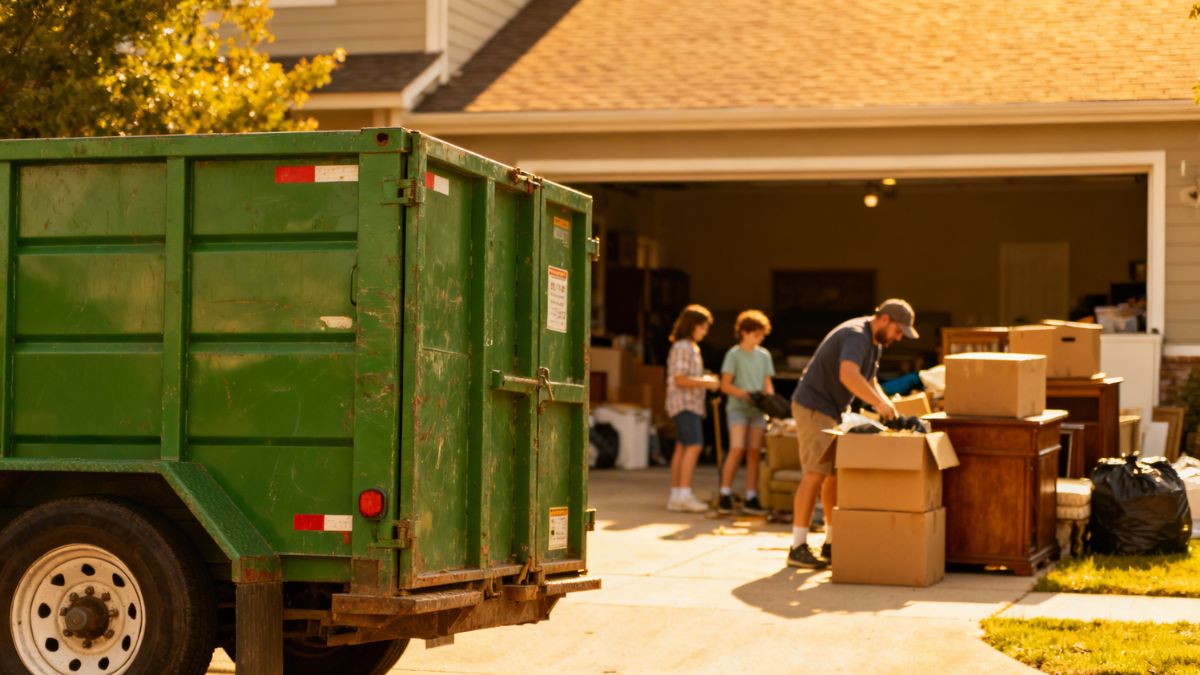
Construction activity rarely remains constant throughout the year. Weather patterns, regional demand cycles, and budget timelines all influence when projects start and finish. These seasonal shifts also affect dumpster availability. For contractors, understanding how construction trends intersect with waste service demand helps prevent scheduling delays and last-minute scrambling for containers.
Dumpster rentals are a shared resource across residential and commercial markets. When project volume increases, availability tightens. Anticipating these fluctuations allows contractors to plan waste removal as proactively as material deliveries or labor scheduling.
Peak Construction Season Drives Higher Demand
In many regions, late spring through early fall marks peak construction season. Favorable weather supports roofing, exterior renovations, foundation work, and large-scale commercial builds. As job starts increase, so does the need for roll-off containers.
During peak months:
- Lead times for delivery may extend
- Preferred container sizes may be limited
- Same-day or next-day service becomes less predictable
Contractors who wait until demolition begins to schedule a dumpster may encounter availability constraints that disrupt workflow.
Residential Renovation Surges Add Pressure
Seasonal demand is not limited to commercial construction. Homeowners often plan remodeling projects around school schedules, tax refund timing, or improved weather. Summer and early fall frequently see spikes in residential renovations.
This surge increases competition for containers, particularly smaller sizes suited for driveways and tight residential sites. Contractors working in mixed residential markets should factor homeowner activity into their availability planning.
Roofing Season and Storm Recovery Impact Capacity
Roofing activity intensifies in warm months and often spikes following major storms. Large-scale storm recovery efforts can rapidly consume regional dumpster inventory.
When multiple contractors are mobilizing simultaneously, container demand increases sharply. In these scenarios, availability may tighten even outside traditional peak construction windows.
Contractors operating in storm-prone regions should consider how weather events influence dumpster supply and plan accordingly.
Winter Conditions Change Service Dynamics
In colder climates, winter may slow new construction starts but does not eliminate waste service demand. Interior renovations, tenant improvements, and commercial projects continue year-round.
However, winter introduces logistical challenges:
- Snow or ice may affect placement areas
- Reduced daylight hours limit service windows
- Access issues can slow delivery and pickup
While overall demand may decline slightly in some regions, service coordination may require more lead time due to weather-related constraints.
Fiscal Year and Budget Cycles Influence Timing
Commercial and municipal construction often aligns with fiscal year budgets. As deadlines approach, project starts may cluster within specific quarters. These timing patterns can increase container demand during particular months, even if weather conditions are stable.
Understanding regional budget cycles helps contractors anticipate short-term surges in waste service needs.
Multi-Project Contractors Face Compounded Demand
Contractors managing multiple simultaneous projects during peak season may require several containers at once. Without advance coordination, this demand can exceed readily available inventory.
Securing dumpster rentals early in the project planning phase reduces the risk of shortages. Contractors who build waste removal into their initial schedules are less likely to face last-minute adjustments.
Lead Time Becomes More Important During Peak Months
During slower seasons, dumpsters may be available with minimal notice. In high-demand periods, advance scheduling becomes essential.
Best practices during peak construction months include:
- Reserving containers before demolition begins
- Confirming rental duration in advance
- Communicating anticipated haul frequency
- Building flexibility into the project schedule
These steps reduce reliance on short-notice availability that may not exist during busy periods.
Size Availability May Shift with Demand
High-demand seasons often affect specific container sizes more than others. For example, mid-sized containers suitable for roofing and residential remodeling may experience the greatest pressure.
Contractors who have flexibility in container size can sometimes adjust plans to match available inventory. However, this requires early communication rather than reactive changes.
Regional Variations Matter
Seasonal trends vary by geography. In warmer climates, construction may remain active throughout the year, creating steadier demand for dumpsters. In colder regions, demand may compress into shorter windows, intensifying peak-season pressure.
Contractors operating across multiple states or service areas should avoid assuming uniform availability. Local trends shape container supply differently in each market.
Planning for High-Volume Periods
When project schedules align with historically busy periods, contractors should anticipate limited flexibility. Strategies for managing high-demand seasons include:
- Scheduling dumpsters earlier than usual
- Staggering project start dates when possible
- Coordinating haul schedules proactively
- Monitoring fill levels to prevent overflow
Taking these steps helps maintain workflow even when service capacity is stretched.
.jpg)
Communication with Waste Providers Is Critical
Open communication with waste service providers becomes especially important during seasonal peaks. Sharing projected timelines and debris volume allows providers to allocate equipment more effectively.
Many contractors coordinate with established services such as Waste Removal USA to secure dumpster rentals in advance of high-demand periods. Early coordination improves the likelihood that containers are delivered when needed rather than when inventory becomes available.
Avoiding Project Delays Due to Availability Gaps
Dumpster delays can cascade into broader scheduling problems. Demolition cannot proceed without debris removal capacity. Overflowing containers may halt work temporarily. In tight schedules, even short service delays affect downstream trades.
Understanding how seasonal demand impacts availability helps contractors reduce these risks. Waste removal should be treated as a critical path item rather than a background service.
Incorporating Seasonality into Long-Term Planning
Contractors who consistently work through annual cycles can analyze past patterns to refine planning. Tracking when container availability was tight or when lead times increased provides insight for future scheduling.
Over time, incorporating seasonal awareness into project planning improves predictability and strengthens coordination with service providers.
Seasonal construction trends directly affect dumpster availability. Peak building months, storm recovery periods, fiscal cycles, and regional weather patterns all influence demand for roll-off containers.
For contractors, anticipating these fluctuations is essential. By scheduling dumpsters early, maintaining open communication with providers, and planning for lead times during high-demand seasons, waste removal remains aligned with project timelines.
When seasonal trends are factored into planning, dumpster rentals support construction progress rather than becoming a constraint during the busiest times of the year.


.svg)
.jpg)

.jpg)