How to Choose the Best Tiny House Roofing for Any Climate

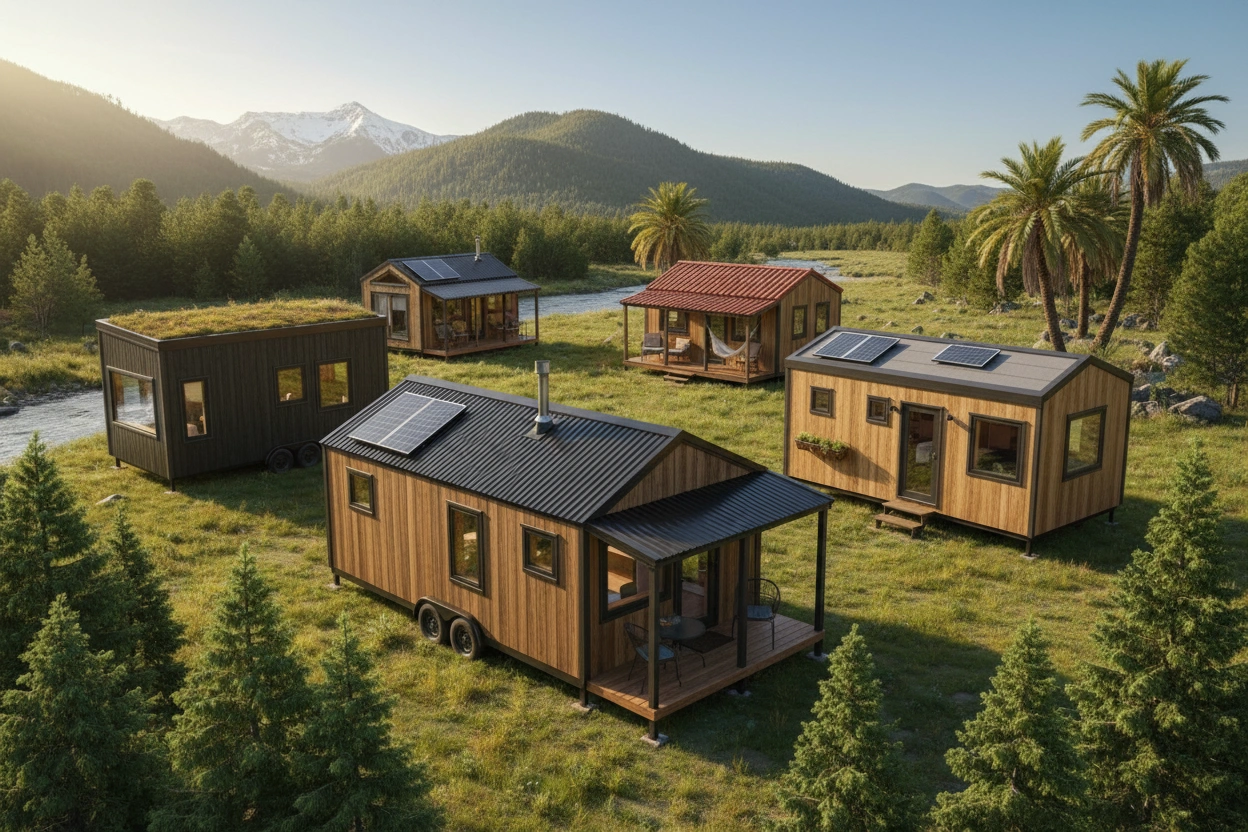
Selecting the right roofing material for your tiny house is a critical decision that can impact not only the aesthetic appeal of your home but also its durability, energy efficiency, and suitability for various climates. With the growing popularity of tiny homes, understanding the unique requirements of tiny house roofing is essential. This article will guide you through the best roofing materials for tiny houses, emphasizing how to choose the right one for your specific climate.
Understanding Tiny House Roofing
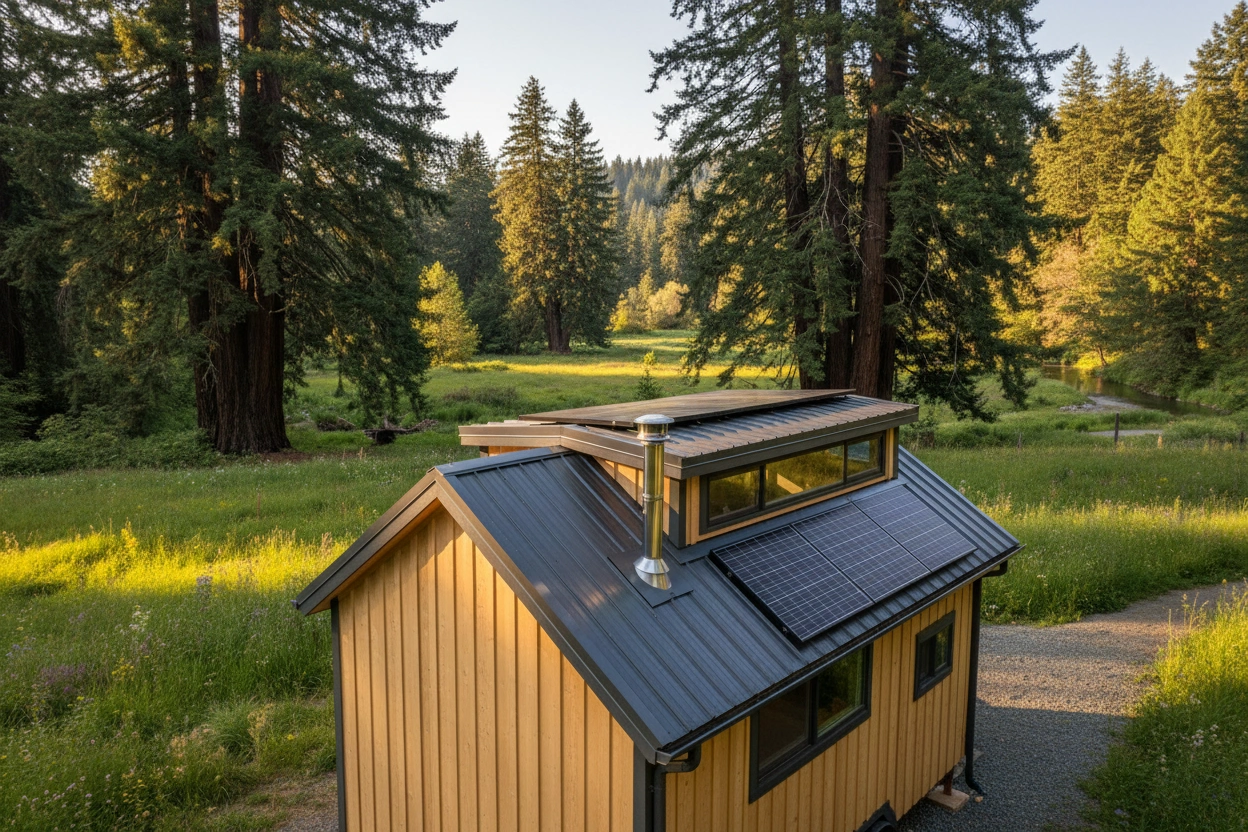
Tiny house roofing encompasses a range of materials and styles designed to meet the unique structural and environmental needs of small homes. Given the size constraints of tiny houses, each component, including the roof, must be carefully selected for performance and efficiency. The roof not only protects your home from the elements but also contributes to its overall energy efficiency and aesthetic charm.
When considering tiny house roofing, it is essential to factor in the climate conditions of the area where you plan to live. Different materials perform better in certain environments, making it vital to align your roofing choice with local weather patterns. For example, areas that experience heavy snowfall will require a different roofing solution than regions prone to wildfires. Therefore, understanding the characteristics of various roofing materials will help you make an informed decision that enhances the longevity and functionality of your tiny home. roofing choice with local weather patterns.
Key Considerations for Tiny House Roofing
When selecting roofing materials for your tiny house, consider the following factors:
- Climate: Analyze the typical weather patterns in your region, such as rainfall, snowfall, wind speed, and temperature fluctuations.
- Weight: Tiny houses often have weight restrictions, so choose materials that are lightweight yet durable.
- Cost: Budget constraints are common for tiny house builders, so evaluate both initial costs and long-term maintenance expenses.
- Aesthetic Appeal: Your roof contributes significantly to the overall look of your tiny home, so consider styles that align with your vision.
- Installation: Some roofing materials require professional installation, while others can be installed by DIY enthusiasts.
Top 5 Roofing Types for Tiny Homes
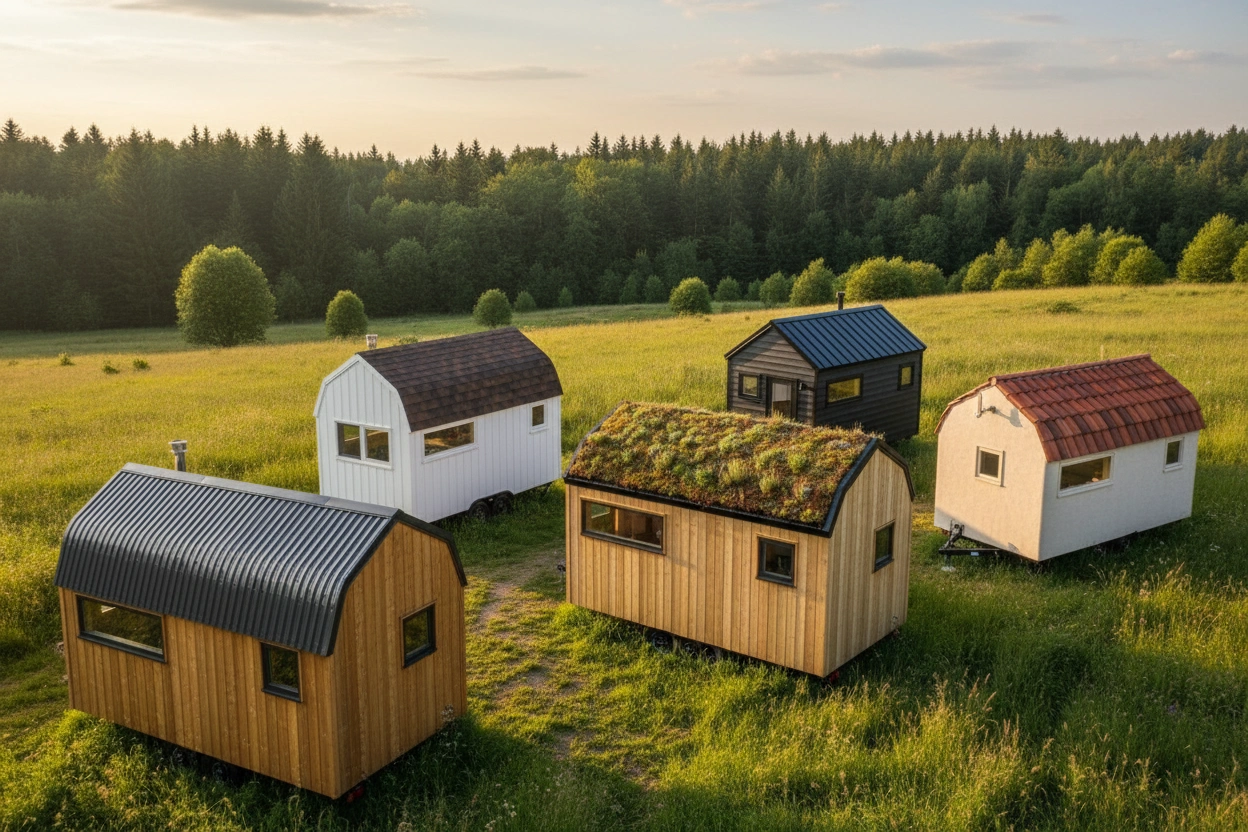
Here are the top five roofing types that are well-suited for tiny homes, along with their advantages and disadvantages:
1. Metal Roofing
Metal roofing is a popular choice for tiny houses due to its lightweight nature and excellent durability.
Pros:
- Long lifespan (up to 50 years)
- Fire-resistant
- Reflects heat, which can lower cooling costs
- Lightweight, making it easier to install
Cons:
- Can be noisy during rain or hail
- Higher upfront cost compared to some other materials
Metal roofing is particularly effective in areas with heavy snowfall, as its slope helps prevent snow accumulation. It also withstands high winds, making it suitable for hurricane-prone regions.
2. Asphalt Shingles
Asphalt shingles are one of the most common roofing materials, known for their affordability and ease of installation.
Pros:
- Cost-effective
- Available in various colors and styles
- Relatively easy to install, making it suitable for DIY projects
Cons:
- Shorter lifespan (15-30 years)
- Less effective in extreme weather conditions compared to metal
Asphalt shingles work well in moderate climates but may require more frequent replacement in harsher environments.
3. Wood Shingles and Shakes
Wood shingles and shakes provide a natural aesthetic that many tiny homeowners find appealing.
Pros:
- Attractive, natural appearance
- Good insulation properties
- Environmentally friendly if sourced sustainably
Cons:
- Requires regular maintenance to prevent rot and pests
- Less fire-resistant unless treated
Wood roofing is ideal for dry climates but may not be suitable in areas with high humidity or fire risks.
4. Rubber Roofing
Rubber roofing is an innovative solution that offers flexibility and durability, making it an excellent option for tiny homes.
Pros:
- Highly resistant to weather damage
- Lightweight and easy to install
- Can mimic the appearance of other materials
Cons:
- May not have the traditional look some homeowners desire
- Potential for fading over time if not properly maintained
Rubber roofing is particularly effective in areas prone to heavy rain or snow, as it can flex and adapt to changing temperatures.
5. Green Roofs
Green roofs, or living roofs, involve planting vegetation on a waterproof membrane, offering both aesthetic and environmental benefits.
Pros:
- Excellent insulation properties
- Reduces stormwater runoff
- Provides a unique and beautiful appearance
Cons:
- Requires significant maintenance
- Higher upfront installation costs
- Not suitable for all climates, particularly those with extreme temperatures
Green roofs work best in urban environments where they can contribute to biodiversity and improve air quality.
Choosing the Best Roofing Material for Your Tiny House
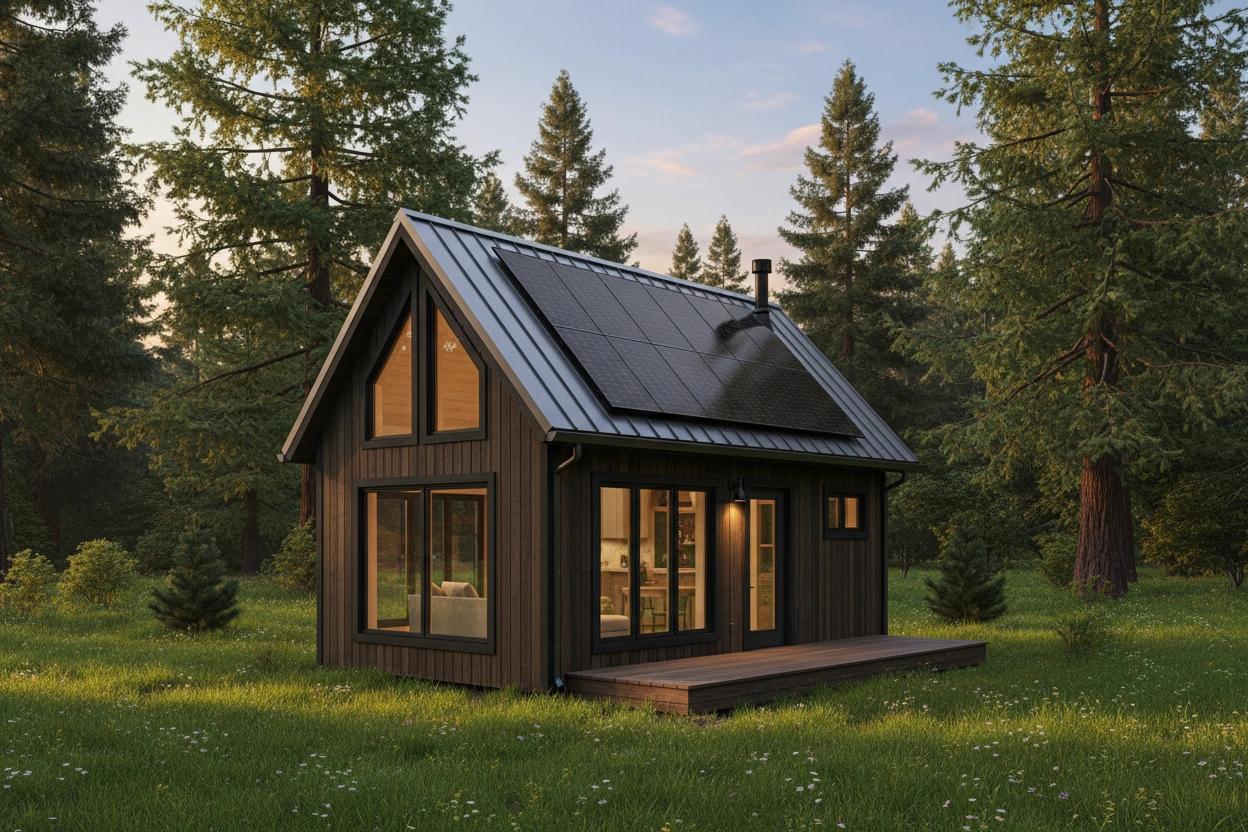
Selecting the right roofing material requires careful consideration of your specific needs and circumstances. Here are some actionable steps to guide your decision-making process:
Assess Your Climate: Research the typical weather patterns in your area. If you live in a region with heavy rainfall, consider materials like metal or rubber that can handle water well.
Evaluate Your Budget: Determine your budget for roofing materials and installation. Keep in mind that while some materials may have a higher upfront cost, they can save you money in maintenance over time.
Consider Aesthetics: Think about the visual appeal of your tiny house. Choose a roofing material that complements the overall design and style of your home.
Research Installation Requirements: Some roofing materials require professional installation, while others can be handled by DIY enthusiasts. Ensure you have the skills or resources necessary for installation.
Plan for Longevity: Factor in the lifespan of the roofing material you choose. Investing in a durable option can save you money in the long run.
Common Mistakes to Avoid
When choosing roofing for your tiny house, be mindful of these common pitfalls:
Ignoring Local Regulations: Always check local building codes and zoning regulations before selecting roofing materials, as some areas have restrictions on certain types.
Overlooking Insulation Needs: Ensure your roofing choice provides adequate insulation to maintain energy efficiency, especially in extreme climates. adequate insulation to maintain energy efficiency.
Disregarding Maintenance: Some materials require more upkeep than others. Be realistic about the time and resources you can dedicate to maintenance.
The Intersection of Tiny House Roofing and Sustainability
Sustainability is a significant consideration for many tiny house owners. Choosing roofing materials that are environmentally friendly can enhance the overall sustainability of your tiny home. Consider options like:
Recycled Materials: Some metal and rubber roofing options utilize recycled content, reducing environmental impact.
Green Roofs: As mentioned earlier, green roofs contribute to biodiversity and can improve air quality, making them an excellent sustainable choice.
Energy Efficiency: Select materials that reflect heat and improve energy efficiency, reducing your carbon footprint.
By prioritizing sustainability in your roofing choice, you can align your tiny house with your environmental values.
Final Thoughts on Tiny House Roofing
In selecting the best tiny house roofing for your specific climate, it is essential to balance aesthetics, functionality, and sustainability. Understanding the characteristics of various roofing materials will empower you to make informed decisions that enhance the longevity and efficiency of your tiny home.
For those looking to dive deeper into tiny house living and learn more about how to build or buy a tiny home without technical overwhelm, TinyHouse.com offers a wealth of resources. From construction guides to expert advice, TinyHouse.com is your go-to destination for all things tiny house.
Take the next step in your tiny house journey by visiting TinyHouse.com today for more information and support tailored to your tiny living aspirations.


.svg)
.webp)