
Top Tiny House Roofing Materials: Pros, Cons, and Costs

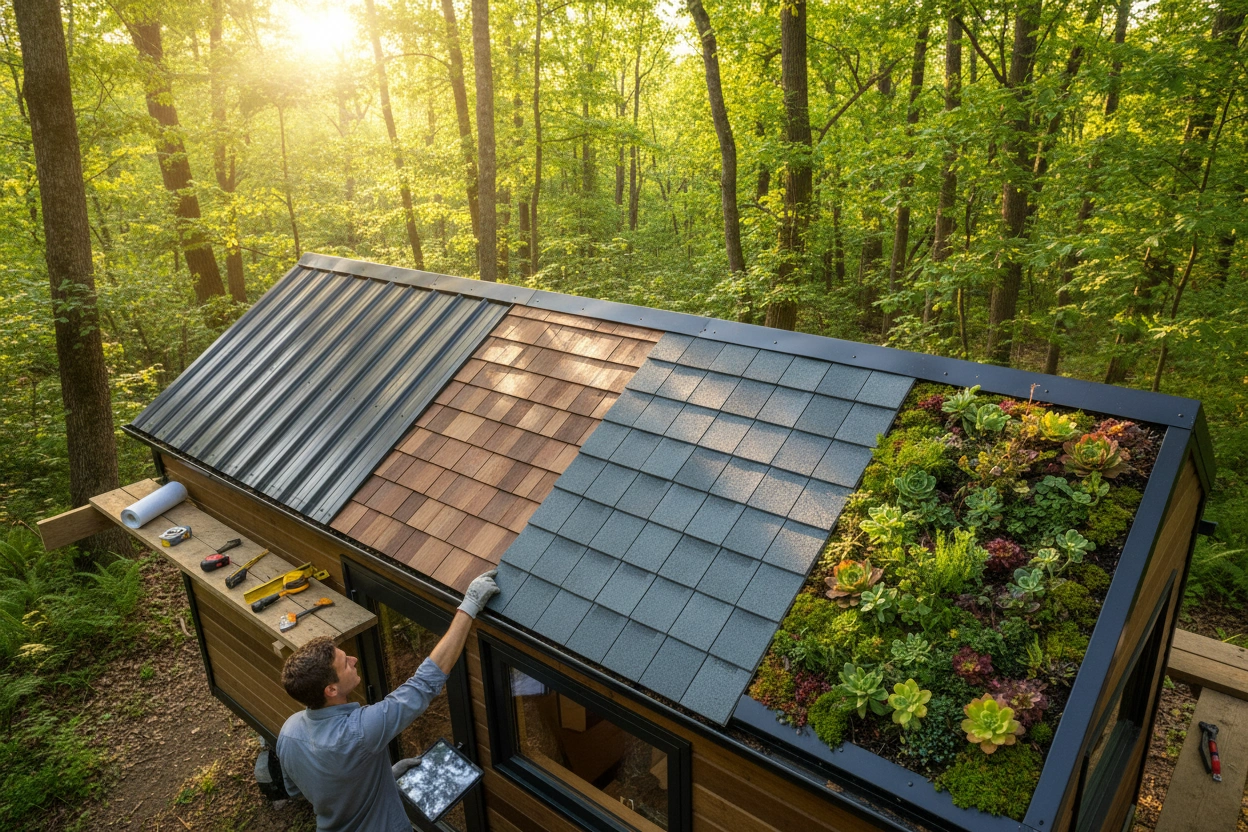
The tiny house movement has gained significant traction in recent years, driven by a desire for simplicity, sustainability, and affordability. As more people consider living in smaller spaces, understanding the various tiny house roofing options becomes essential. The roof is not just a protective barrier; it significantly impacts energy efficiency, aesthetics, and overall durability. This article provides an in-depth look at the leading materials for tiny house roofing, detailing their pros, cons, and costs to help you make an informed decision.
Understanding Tiny House Roofing Options
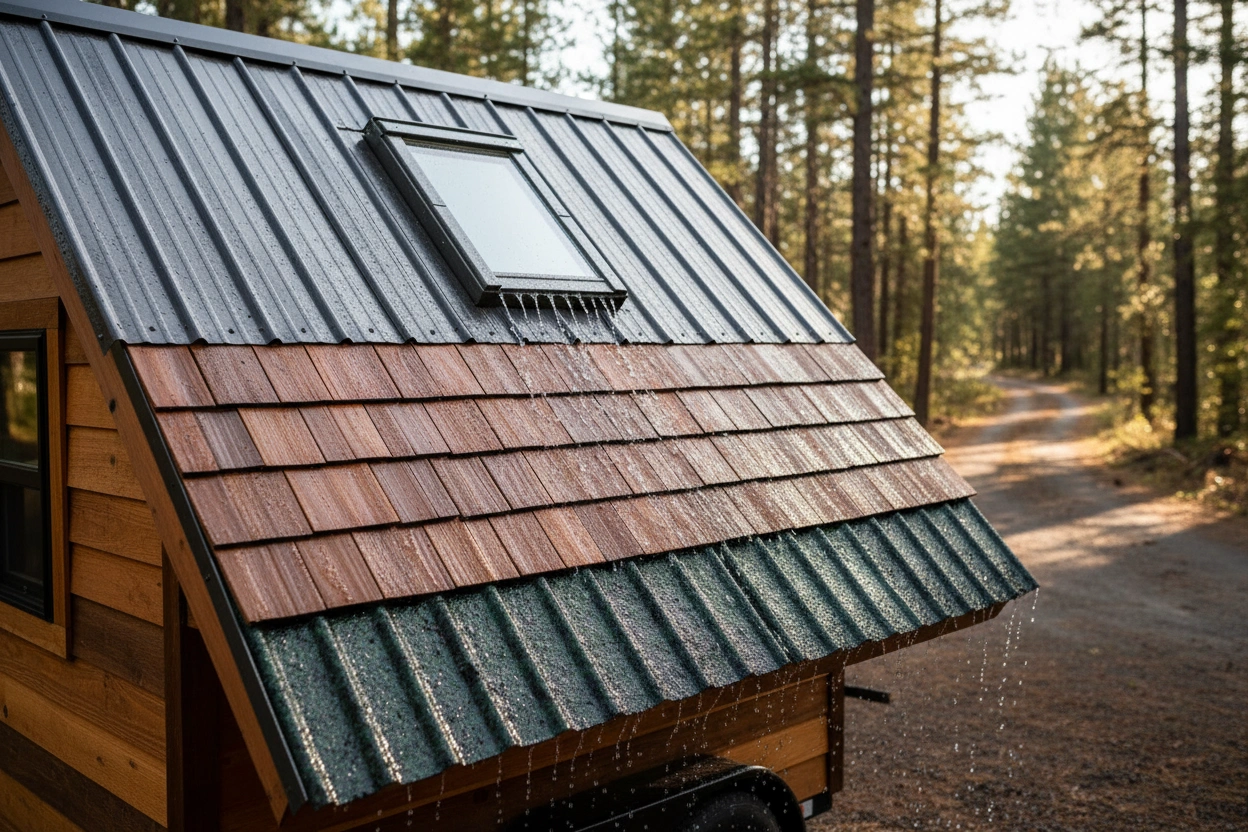
Selecting the right roofing material for a tiny house involves considering several factors, including climate, weight, cost, and maintenance needs. Each material has unique characteristics that can influence your tiny home's longevity and performance. Here are some of the most common roofing materials used in tiny house construction.
1. Metal Roofing
Metal roofing is a popular choice for tiny houses due to its durability and lightweight properties. It can withstand extreme weather conditions and is resistant to rust and corrosion. Additionally, metal roofs often reflect heat, contributing to energy efficiency.
Pros:
- Long lifespan (up to 50 years or more)
- Excellent resistance to wind, hail, and fire
- Lightweight, reducing structural load
- Energy-efficient due to reflective properties
Cons:
- Higher initial cost compared to other materials
- Can be noisy during rain or hail
- May require additional insulation to minimize condensation
Cost: The average cost of metal roofing ranges from $5 to $12 per square foot, depending on the type of metal (steel, aluminum, or copper) and installation complexity.
2. Asphalt Shingles
Asphalt shingles are one of the most commonly used roofing materials in North America. They are affordable, easy to install, and come in various colors and styles, making them a versatile option for tiny houses.
Pros:
- Cost-effective, with a wide range of options
- Relatively easy and quick to install
- Available in various styles and colors
Cons:
- Shorter lifespan (15 to 30 years)
- Less durable in extreme weather conditions
- Susceptible to mold and algae growth
Cost: Asphalt shingles typically cost between $1 to $4 per square foot, making them an economical choice for budget-conscious tiny house builders.
3. Wood Shingles and Shakes
Wood shingles and shakes offer a natural, rustic aesthetic that appeals to many tiny house enthusiasts. They can be made from cedar, redwood, or pine, providing a unique look that blends well with natural surroundings.
Pros:
- Attractive appearance with a warm, natural look
- Good insulation properties
- Eco-friendly if sourced sustainably
Cons:
- Requires regular maintenance (staining and sealing)
- Prone to rot, pests, and fire unless treated
- Shorter lifespan compared to metal or asphalt
Cost: Expect to pay between $4 to $7 per square foot for wood shingles and shakes, depending on the type of wood and treatment options.
4. Rubber Roofing
Rubber roofing, often made from recycled tires, is a sustainable option that is gaining popularity in tiny house construction. It is particularly effective for flat roofs, providing excellent waterproofing.
Pros:
- Environmentally friendly due to recycled materials
- Excellent waterproofing capabilities
- Lightweight and easy to install
Cons:
- Can be less visually appealing than other materials
- Limited lifespan (about 20 years)
- Susceptible to damage from sharp objects
Cost: Rubber roofing typically costs between $4 to $8 per square foot, depending on thickness and quality.
5. Clay or Concrete Tiles
Clay or concrete tiles offer a unique aesthetic and are incredibly durable. They are ideal for warmer climates where they can reflect sunlight, keeping homes cooler.
Pros:
- Extremely durable and long-lasting (up to 100 years)
- Excellent resistance to fire and pests
- Energy-efficient in warm climates
Cons:
- Heavy, requiring additional structural support
- Higher installation costs due to weight
- Limited color and style options
Cost: Clay or concrete tiles can range from $10 to $20 per square foot, making them one of the more expensive roofing options.
Additional Considerations for Tiny House Roofing

Choosing the right roofing material is only part of the equation. Other factors can influence your decision and the overall performance of your tiny house.
Climate Considerations
The climate in which you live plays a significant role in determining the best roofing material for your tiny house. For example:
- In areas with heavy snowfall, a steeply pitched metal roof may be ideal to prevent snow accumulation.
- In regions with high winds, materials like metal and concrete tiles are more suitable due to their durability.
- For hot climates, reflective roofing materials can help reduce cooling costs.
Weight and Structural Support
Tiny houses are often built on trailers or small foundations, which limits the weight of the roofing material. It is essential to choose lightweight options or ensure the structure can support heavier materials.
Aesthetic Preferences
The appearance of your tiny house is important for many homeowners. Selecting a roofing material that complements the overall design and feel of your home can enhance its visual appeal.
Common Mistakes When Choosing Tiny House Roofing
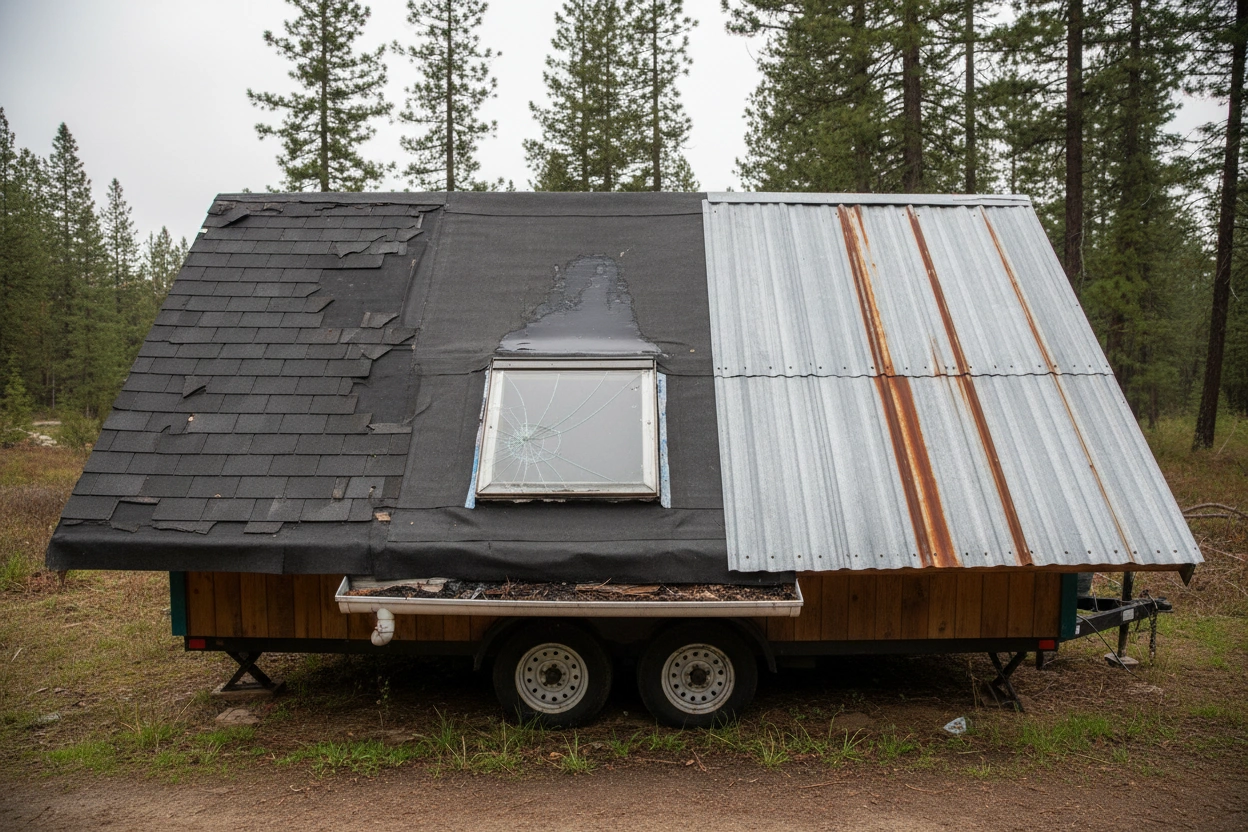
Neglecting Local Building Codes: Always check local building codes and regulations regarding roofing materials and construction methods before making a decision.
Overlooking Energy Efficiency: Failing to consider energy efficiency can lead to higher utility costs. Opt for materials that offer insulation and reflectivity.
Ignoring Maintenance Needs: Some materials require more upkeep than others. Understand the maintenance requirements of your chosen material before making a commitment.
Underestimating Costs: Always budget for both material and installation costs. Hidden expenses can arise, especially if additional structural support is needed.
Making the Right Choice for Your Tiny House
When it comes to tiny house roofing, the decision ultimately hinges on your individual needs, preferences, and budget. Each roofing material has its unique advantages and drawbacks. To summarize:
- Metal Roofing: Best for durability and energy efficiency, but at a higher initial cost.
- Asphalt Shingles: Affordable and easy to install, but with a shorter lifespan.
- Wood Shingles and Shakes: Aesthetic appeal with eco-friendliness, requiring regular maintenance.
- Rubber Roofing: Sustainable and waterproof, but less visually appealing.
- Clay or Concrete Tiles: Long-lasting and energy-efficient, but heavy and costly.
The Intersection of Tiny House Roofing and Your Journey
Choosing the right roofing material is just one aspect of building or buying a tiny home. Understanding the pros, cons, and costs associated with each option will empower you to make a decision that aligns with your lifestyle and values.
At TinyHouse.com, we are committed to providing you with the resources and information you need to navigate the tiny house movement. Whether you are just starting your journey or looking to upgrade your current home, our team can assist you in finding the best solutions tailored to your needs.
For expert advice and guidance on tiny house roofing and more, visit TinyHouse.com. Let us help you turn your tiny house dreams into reality.


.svg)
.jpg)
.jpg)
.jpg)
.jpg)