How to Install Tiny House Roofing: A Step-by-Step Guide

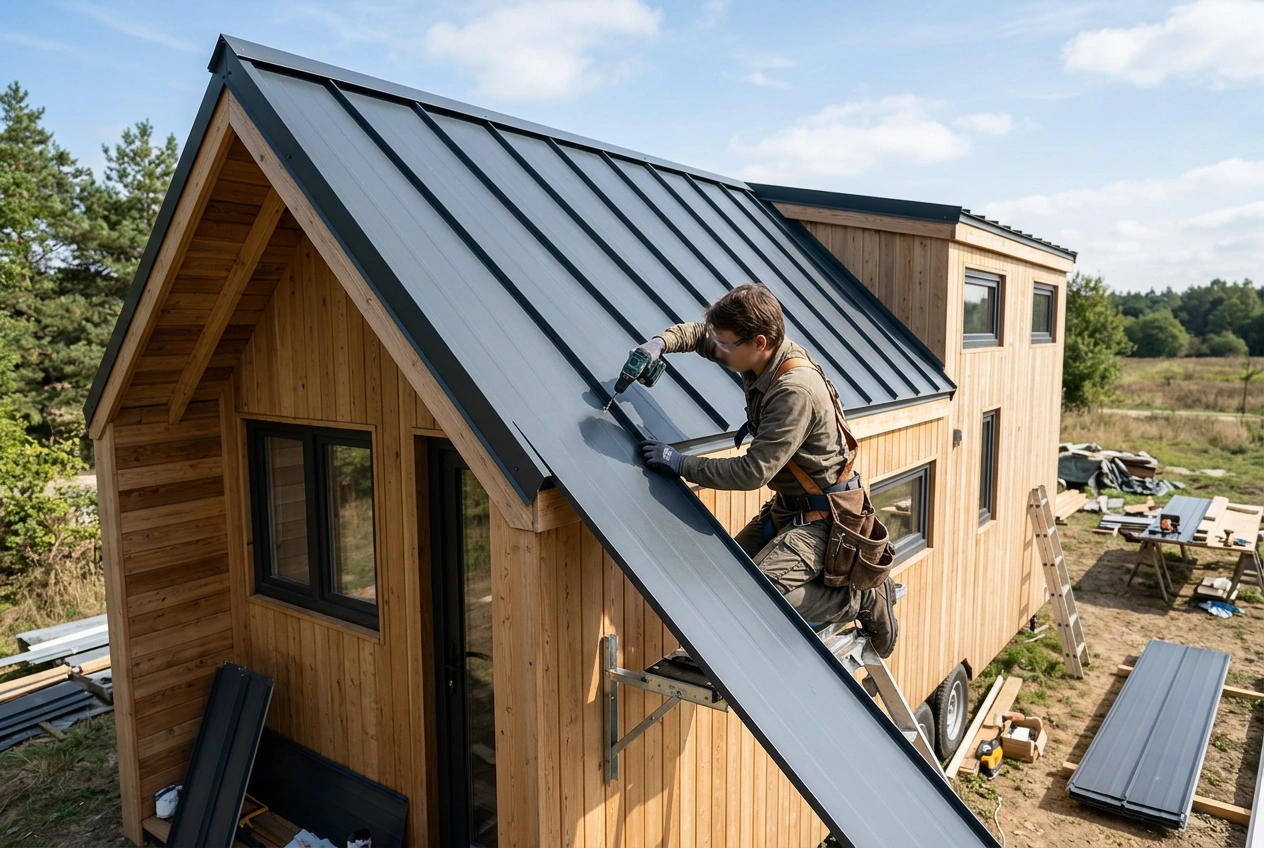
Building a tiny house brings with it a unique set of challenges and rewards, particularly when it comes to roofing. Choosing the right roofing material is essential not only for aesthetics but also for durability and energy efficiency. This guide will walk you through the process of installing tiny house roofing, while also addressing some of the best roofing materials for tiny houses and their pros and cons.
Understanding Tiny House Roofing
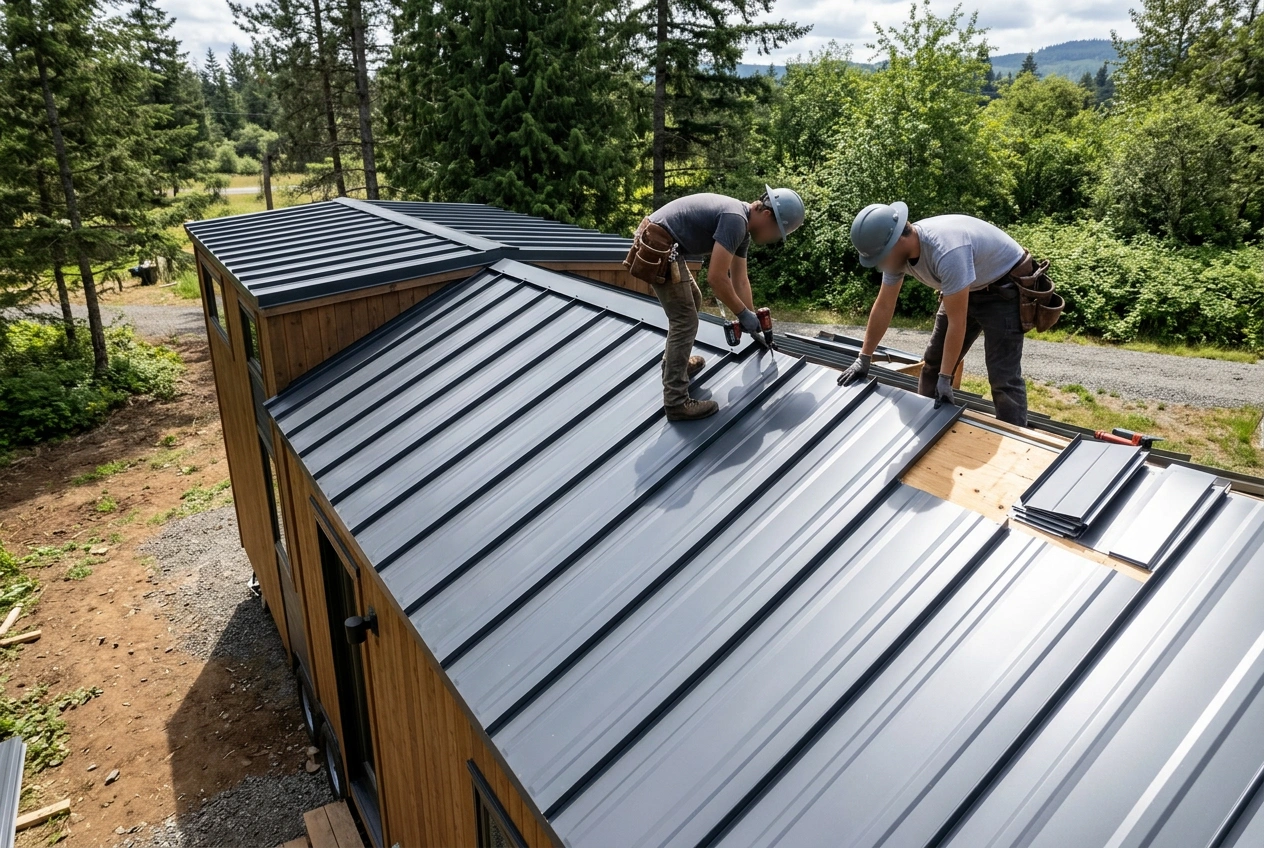
Tiny house roofing is more than just a protective layer; it plays a significant role in the overall integrity of the structure. The roofing system must withstand various weather conditions while providing insulation and ventilation. With the growing popularity of tiny homes, understanding the nuances of tiny house roofing becomes essential for both builders and DIY enthusiasts.
The Importance of Proper Installation
Proper installation is crucial for ensuring that the roof can handle elements such as wind, rain, and snow. A poorly installed roof can lead to leaks, structural damage, and costly repairs down the line. When you choose to install tiny house roofing, it’s essential to follow best practices and utilize quality materials that fit your specific needs.
Common Misconceptions About Tiny House Roofing
Many people assume that tiny houses can use the same roofing materials as traditional homes. However, the unique structure and design of tiny houses often require specialized materials and techniques. Additionally, some believe that the lightweight nature of tiny houses means they can forgo certain roofing features like insulation and ventilation, which is not the case. Proper planning and understanding are key to a successful roofing project.
Top Roofing Materials for Tiny Houses: Pros and Cons
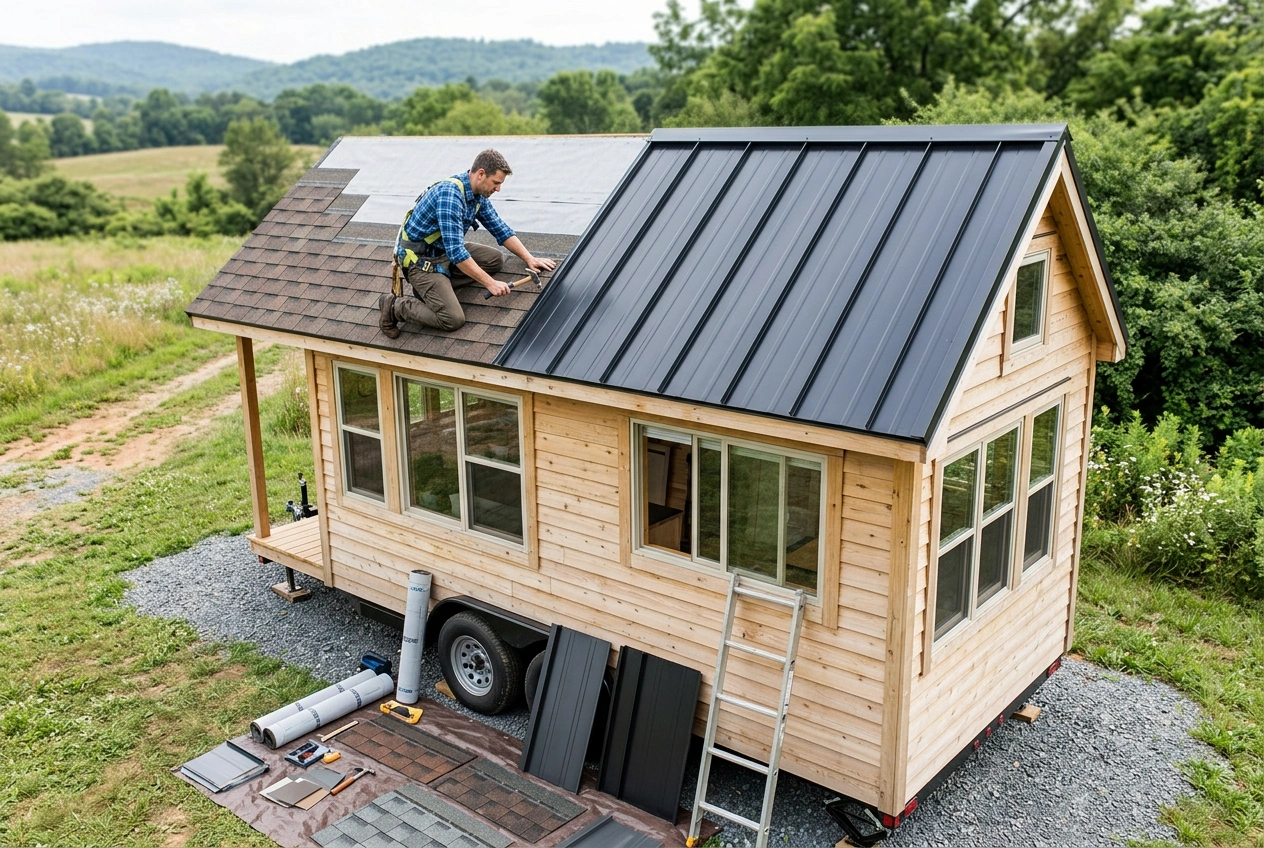
When selecting roofing materials for a tiny house, it is vital to consider factors like weight, durability, cost, and aesthetic appeal. Here are some of the best roofing materials for tiny houses, along with their advantages and disadvantages.
1. Metal Roofing
Metal roofing is a popular choice for tiny houses due to its lightweight and durability.
Pros:
- Long lifespan, often exceeding 50 years
- Excellent weather resistance
- Energy-efficient, reflecting heat in summer
- Low maintenance
Cons:
- Higher initial cost compared to other materials
- Can be noisy during heavy rain or hail
- Requires proper insulation to minimize heat loss
2. Asphalt Shingles
Asphalt shingles are one of the most commonly used roofing materials in residential construction.
Pros:
- Affordable and widely available
- Easy to install and repair
- Variety of styles and colors
Cons:
- Shorter lifespan, typically 15-30 years
- Less eco-friendly compared to other options
- Can be prone to mold and algae growth in humid climates
3. Wood Shakes
Wood shakes offer a natural aesthetic that appeals to many tiny house builders.
Pros:
- Natural appearance that blends well with nature
- Good insulation properties
- Can be treated to resist rot and insects
Cons:
- Requires regular maintenance to prevent decay
- Higher fire risk unless treated
- More expensive than asphalt shingles
4. TPO (Thermoplastic Polyolefin)
TPO is a single-ply roofing membrane often used in flat roof applications.
Pros:
- Lightweight and easy to install
- Reflective surface helps reduce cooling costs
- Resistant to UV radiation and punctures
Cons:
- Limited lifespan compared to metal and shingles
- May require professional installation for best results
- Can be more expensive than traditional roofing materials
5. Rubber Roofing
Rubber roofing is another option that is gaining popularity, especially for flat-roofed tiny homes.
Pros:
- Durable and resistant to harsh weather
- Eco-friendly as it can be made from recycled materials
- Easy to install and repair
Cons:
- Can be prone to damage from UV exposure
- Limited color options
- Higher upfront costs compared to asphalt
Step-by-Step Guide to Installing Tiny House Roofing
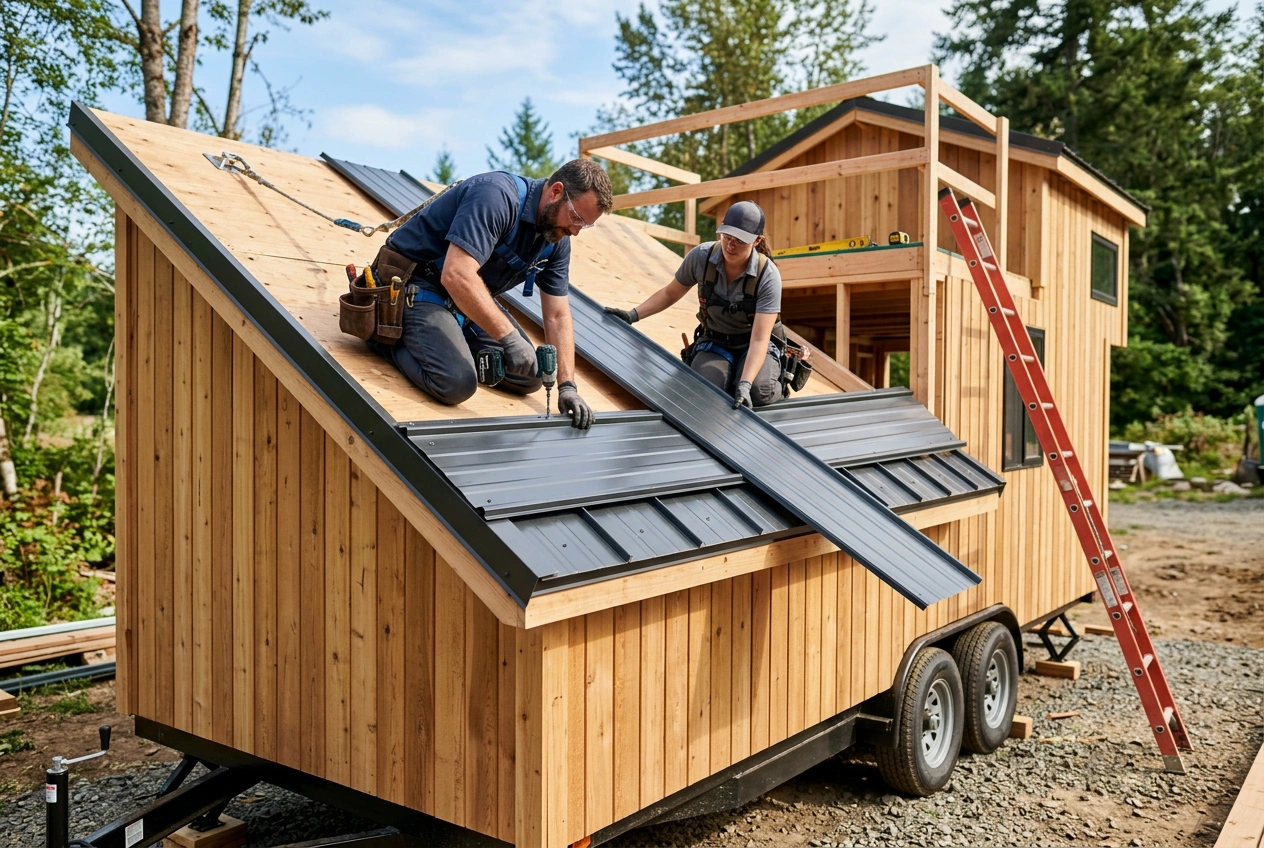
The installation of tiny house roofing requires careful planning and execution. Follow these essential steps to ensure a successful roofing project.
Step 1: Gather Your Materials
Before starting the installation, gather all necessary materials and tools. This may include:
- Chosen roofing material (metal, shingles, etc.)
- Underlayment
- Flashing
- Roofing nails or screws
- A ladder
- Safety gear (gloves, goggles)
Step 2: Prepare the Roof Structure
Ensure that the roof framing is secure and free of debris. If you are working with a flat roof, make sure to create a slight slope to allow for proper drainage. Check for any structural damage and repair as necessary.
Step 3: Install Underlayment
Installing underlayment is crucial for added protection against moisture. Roll out the underlayment across the roof surface, overlapping the edges as you go. Secure it with nails or staples, ensuring it lies flat without wrinkles.
Step 4: Install Flashing
Flashing is essential for preventing water infiltration at roof joints and penetrations. Install flashing around chimneys, vents, and any other areas where water could potentially enter.
Step 5: Install the Chosen Roofing Material
Follow the manufacturer’s instructions for your chosen roofing material. If using metal roofing, start at the eaves and work your way up. For shingles, begin from the bottom and work your way to the top, ensuring each row overlaps the previous one.
Step 6: Finish and Inspect
Once the roofing material is installed, inspect your work for any potential issues. Check for loose nails or gaps and ensure that all flashing is secure. Properly clean up the area, removing any debris and tools.
Common Mistakes to Avoid When Installing Tiny House Roofing
Being aware of common mistakes can help ensure that your tiny house roofing installation goes smoothly.
- Neglecting Proper Insulation: Failing to insulate correctly can lead to heat loss and condensation issues.
- Ignoring Local Building Codes: Always check local building codes and regulations before starting your project to avoid fines and ensure safety.
- Overlooking Ventilation Needs: Proper ventilation is essential for preventing moisture buildup, which can lead to mold and structural damage.
Conclusion: Your Path to Successful Tiny House Roofing
Installing roofing on a tiny house can be a rewarding experience when approached with the right knowledge and preparation. As you’ve learned, choosing the right materials and following a systematic installation process are vital steps in ensuring a durable and efficient roof. TinyHouse.com offers a wealth of resources to support your tiny house journey. Whether you need guidance on selecting the best roofing materials or assistance with installation techniques, TinyHouse.com is here to help. For more information and expert advice, visit TinyHouse.com and take the next step toward your dream tiny home.