How to Insulate a Tiny House Roof for Year-Round Comfort

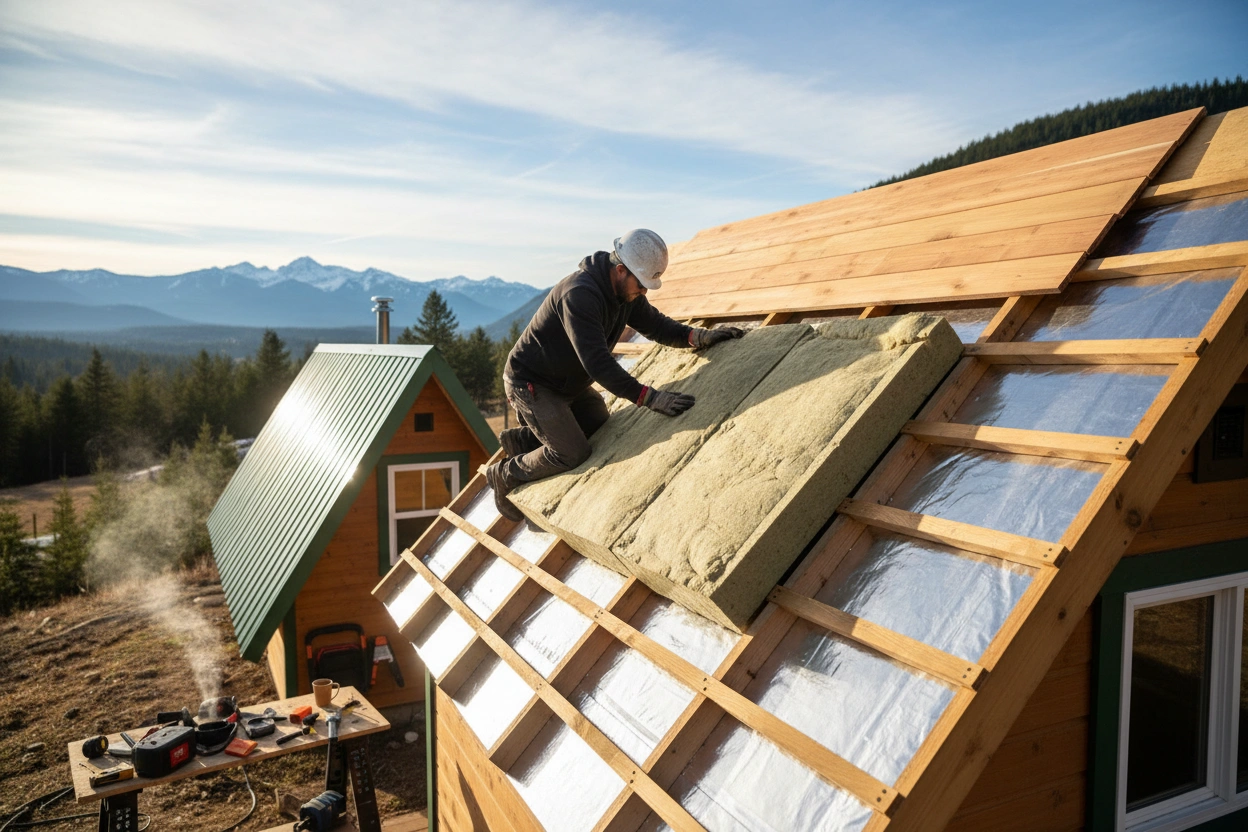
Insulating the roof of a tiny house is essential for maintaining a comfortable living environment regardless of the season. Proper insulation minimizes heat loss during winter and prevents overheating in summer, creating a cozy space that feels just right. With the rise of tiny house living, understanding how to insulate a tiny house roof has become more crucial than ever. This article will guide you through the various methods and materials available for insulating your tiny house roof, ensuring you can enjoy year-round comfort.
Understanding Tiny House Roofing
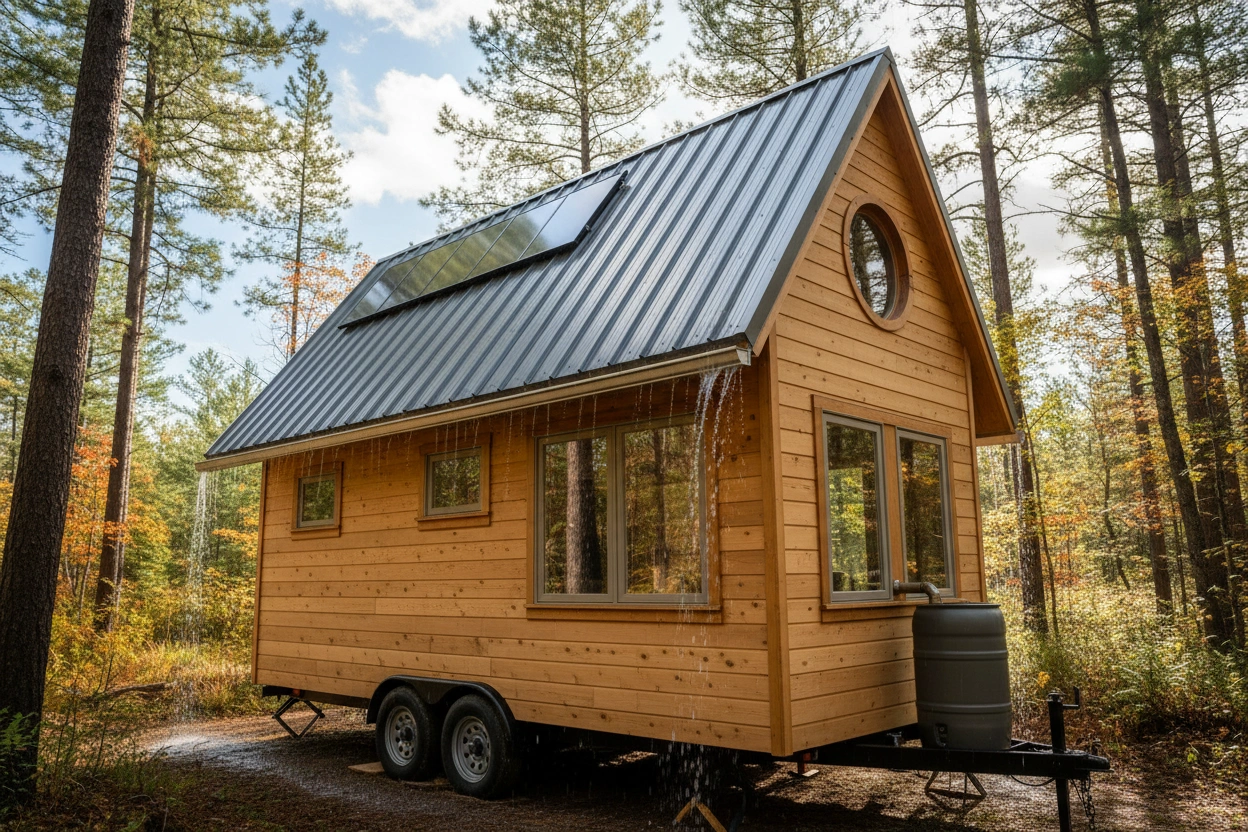
The Importance of Insulation
Insulation plays a pivotal role in tiny house roofing, impacting energy efficiency, comfort, and sustainability. A well-insulated roof acts as a barrier against temperature fluctuations, helping to maintain a stable indoor climate. This is particularly important in tiny homes, where space is limited, and heating or cooling systems may not be as robust as in traditional homes.
Moreover, insulation contributes to soundproofing, which is invaluable in a small living space. The right roofing materials combined with effective insulation can significantly reduce noise from the outside, creating a peaceful sanctuary. The best roofing materials combined with effective insulation can significantly reduce noise from the outside, creating a peaceful sanctuary.
Common Misconceptions About Insulating Tiny House Roofs
Many believe that insulating a tiny house roof is straightforward and does not require much planning. However, this is a misconception. Insulation must be tailored to the specific climate and design of the tiny house. Factors such as roof pitch, material choice, and local weather patterns must all be considered to ensure optimal performance.
Another common mistake is underestimating the importance of ventilation. Proper ventilation is necessary to prevent moisture buildup, which can lead to mold and structural damage. Thus, insulation should be paired with effective ventilation strategies for maximum effectiveness.
Top Roofing Materials for Tiny Houses: Pros and Cons
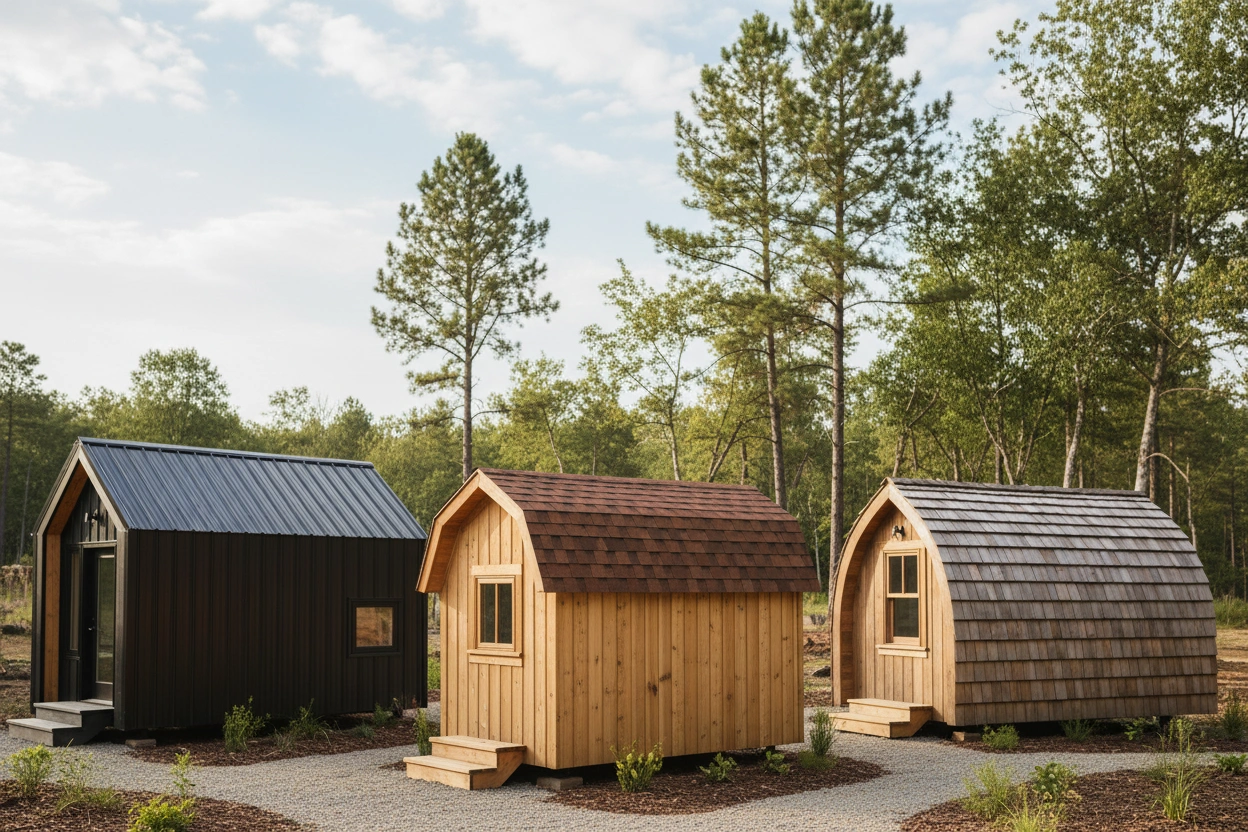
Choosing the right roofing material is critical for both insulation and durability. Here are some of the best roofing materials for tiny houses, along with their advantages and disadvantages.
1. Metal Roofing
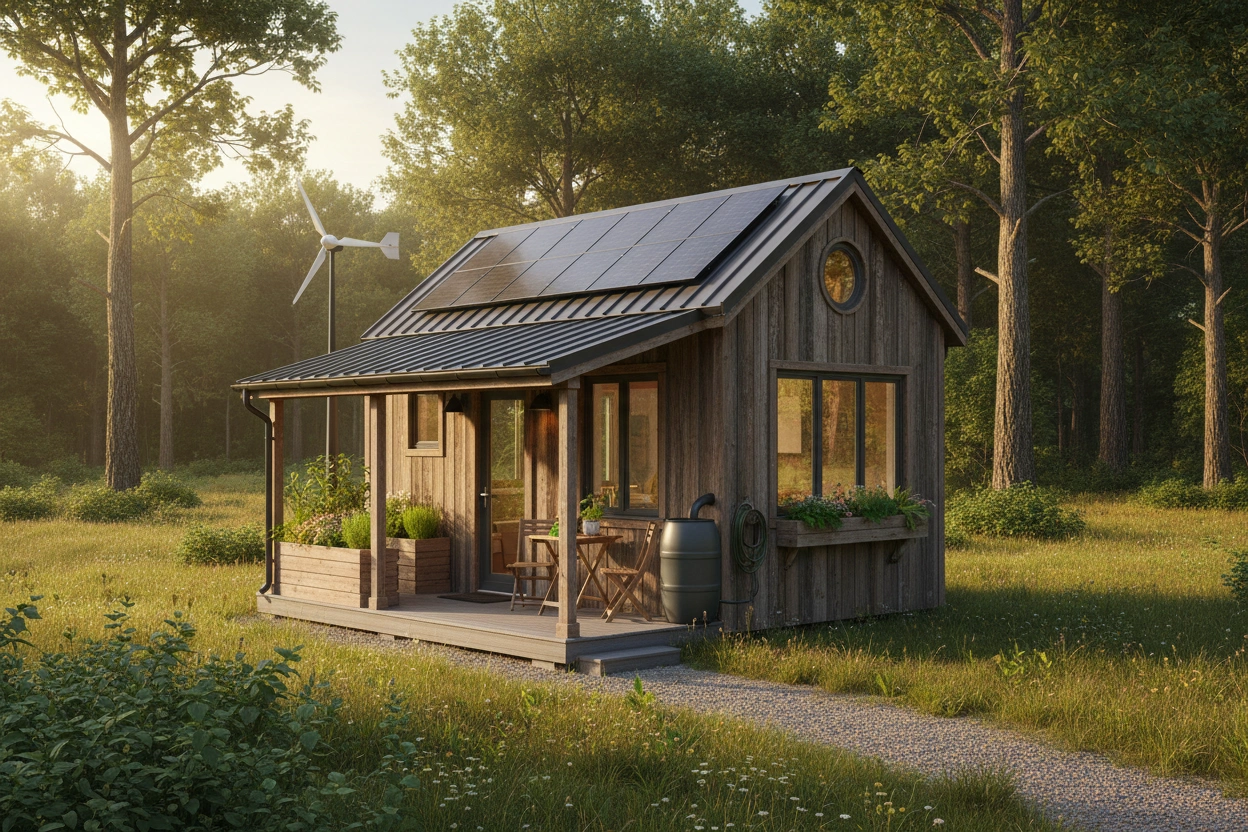
Metal roofing has gained popularity in recent years due to its durability and efficiency.
Pros:
- Longevity: Metal roofs can last over 50 years with proper maintenance.
- Energy Efficiency: Reflects sunlight, reducing cooling costs.
- Lightweight: Easier to install and requires less structural support.
Cons:
- Noise: Can amplify sounds from rain or hail.
- Initial Cost: Higher upfront cost compared to some other materials.
2. Asphalt Shingles
Asphalt shingles are one of the most common roofing materials used in residential buildings.
Pros:
- Cost-Effective: Generally more affordable than metal or tile roofing.
- Variety: Available in numerous colors and styles.
- Easy to Install: Suitable for DIY projects.
Cons:
- Lifespan: Typically lasts only 20-30 years.
- Environmental Impact: Not as eco-friendly as some alternatives.
3. Wood Shingles or Shakes
Wood roofing offers a natural aesthetic that appeals to many tiny house owners.
Pros:
- Aesthetics: Provides a rustic look that complements natural surroundings.
- Insulation: Wood has natural insulating properties.
Cons:
- Maintenance: Requires regular treatment to prevent rot and pests.
- Fire Risk: More susceptible to fire unless treated with fire retardants.
4. Slate Roofing
Slate is a premium roofing material known for its beauty and durability.
Pros:
- Durability: Can last over 100 years.
- Low Maintenance: Requires minimal upkeep.
Cons:
- Heavy: Requires a robust structural support system.
- Cost: High initial investment.
5. Rubber Roofing
Rubber roofing is a less common but effective option for tiny houses, especially flat roofs.
Pros:
- Waterproof: Excellent for preventing leaks.
- Flexibility: Can withstand temperature fluctuations without cracking.
Cons:
- Appearance: May not appeal to those seeking traditional aesthetics.
- UV Sensitivity: Can degrade under prolonged sun exposure without proper treatment.
Effective Insulation Strategies for Tiny House Roofs
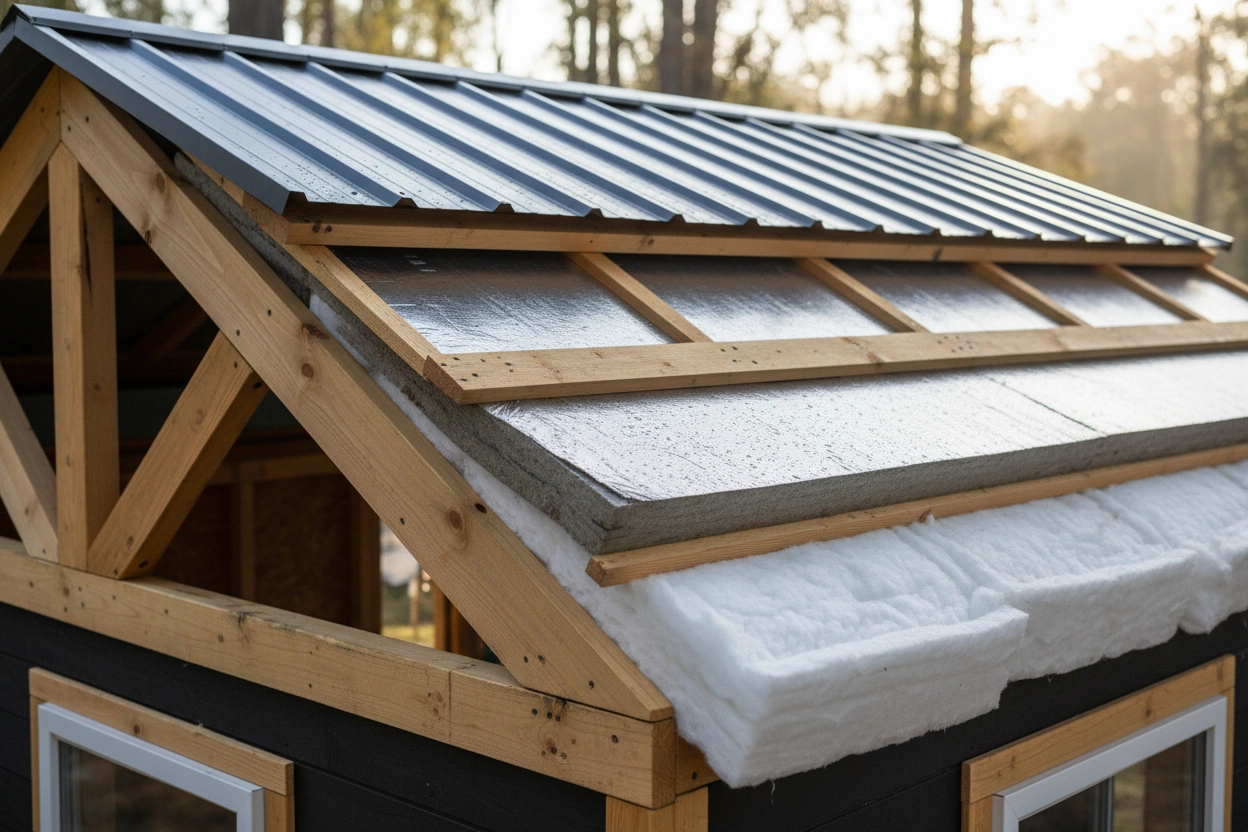
Choosing the Right Insulation Material
The effectiveness of your insulation largely depends on the material chosen. Here are some popular options for tiny house roofing insulation:
Fiberglass Batts: Affordable and widely available, fiberglass batts are easy to install and provide decent insulation. However, they must be installed correctly to avoid gaps.
Spray Foam: This is an excellent choice for sealing irregular spaces. Spray foam expands upon application, filling gaps and providing a strong air barrier. It can be more expensive but offers superior thermal performance.
Rigid Foam Board: Ideal for flat roofs, rigid foam boards offer high insulation values per inch and are easy to install. They can also be used in conjunction with other insulation types for enhanced performance.
Insulation Installation Techniques
Proper installation of insulation is critical to its effectiveness. Follow these steps to ensure your tiny house roof is well-insulated:
Measure the Roof Space: Accurately measure the area to determine how much insulation material is needed.
Select the Appropriate Thickness: Choose insulation thickness based on your climate and the material used. Thicker insulation is generally better for colder climates.
Seal Gaps: Before installing insulation, seal any gaps or cracks in the roof structure to prevent air leaks. This can involve using caulk or spray foam.
Install Ventilation: Ensure that there is proper ventilation in the roof space to prevent moisture buildup. This can be achieved with vents or soffit systems.
Cover with a Barrier: If using fiberglass or rigid board insulation, cover it with a vapor barrier to prevent moisture from entering the insulation.
Common Mistakes to Avoid
When insulating a tiny house roof, several pitfalls can hinder performance and comfort:
Neglecting Ventilation: Failing to provide adequate ventilation can lead to condensation and mold, undermining the benefits of insulation.
Underestimating R-Value: The R-value measures insulation effectiveness. In colder climates, a higher R-value is necessary for adequate insulation.
Skipping Professional Help: If you are unsure about installation, consider hiring a professional. Mistakes can lead to costly repairs down the line.
The Role of TinyHouse.com in Your Tiny House Journey
Understanding how to insulate a tiny house roof for year-round comfort is an essential skill for anyone interested in tiny house living. With the right materials and techniques, you can create a comfortable, energy-efficient home that meets your needs throughout the seasons.
TinyHouse.com is dedicated to providing resources and support for those navigating the world of tiny homes. Whether you're looking for advice on tiny house roofing, insulation options, or general design tips, our platform offers a wealth of information tailored to your journey.
If you're ready to learn more about making the most of your tiny house experience, visit TinyHouse.com for expert guidance and resources.


.svg)