How to Insulate Your Tiny House Roof for Maximum Efficiency

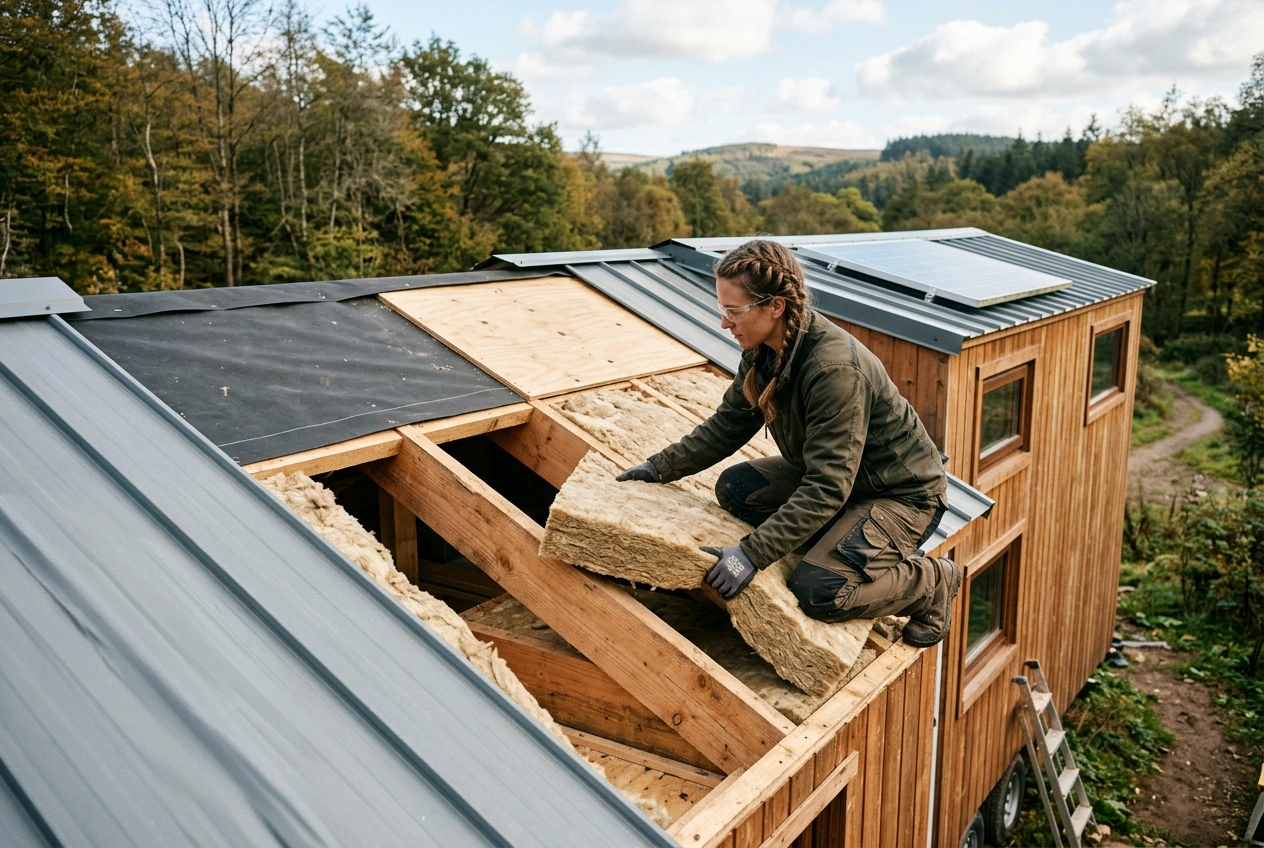
Insulating your tiny house roof is a critical step in ensuring energy efficiency and comfort within your compact living space. As more individuals and families opt for minimalist lifestyles, the importance of effective insulation has grown significantly. Tiny house roofing not only plays a vital role in regulating temperatures but also contributes to the overall sustainability and energy savings of your home. This article explores various roofing materials suitable for tiny houses, their pros and cons, and practical tips for effective insulation.
Understanding the Importance of Roof Insulation

Effective roof insulation is essential for maintaining a comfortable indoor climate regardless of external weather conditions. A well-insulated roof minimizes heat loss during colder months and reduces heat gain in the summer. This balance not only promotes a comfortable living environment but also lowers utility bills by reducing the need for heating and cooling systems.
In tiny homes, where space is limited and efficiency is paramount, the choice of roofing materials can significantly impact insulation effectiveness. Selecting the right materials and insulation techniques will ensure that your tiny house remains cozy in winter and cool in summer, enhancing your overall living experience.
Benefits of Proper Roof Insulation
- Energy Efficiency: Proper insulation reduces the amount of energy required for heating and cooling, leading to lower utility bills.
- Comfort: Insulated roofs help maintain a consistent indoor temperature, enhancing comfort throughout the year.
- Noise Reduction: Insulation can also help dampen outside noise, making your tiny house a more peaceful retreat.
- Condensation Control: Effective insulation minimizes the risk of condensation, which can lead to mold and structural damage over time.
Common Misconceptions About Tiny House Roofing
One common misconception is that tiny houses do not require the same level of insulation as traditional homes. However, tiny houses often have more concentrated heating and cooling needs due to their smaller size. Furthermore, many tiny homes are built in varying climates, which necessitates adequate insulation to protect against extreme weather conditions. Choosing the best roofing materials for tiny houses is essential for both aesthetics and functionality.
Another misconception is that all roofing materials provide the same level of insulation. The truth is that different materials have varying insulation properties, and understanding these differences is key to making an informed choice.
Top Roofing Materials for Tiny Houses: Pros and Cons
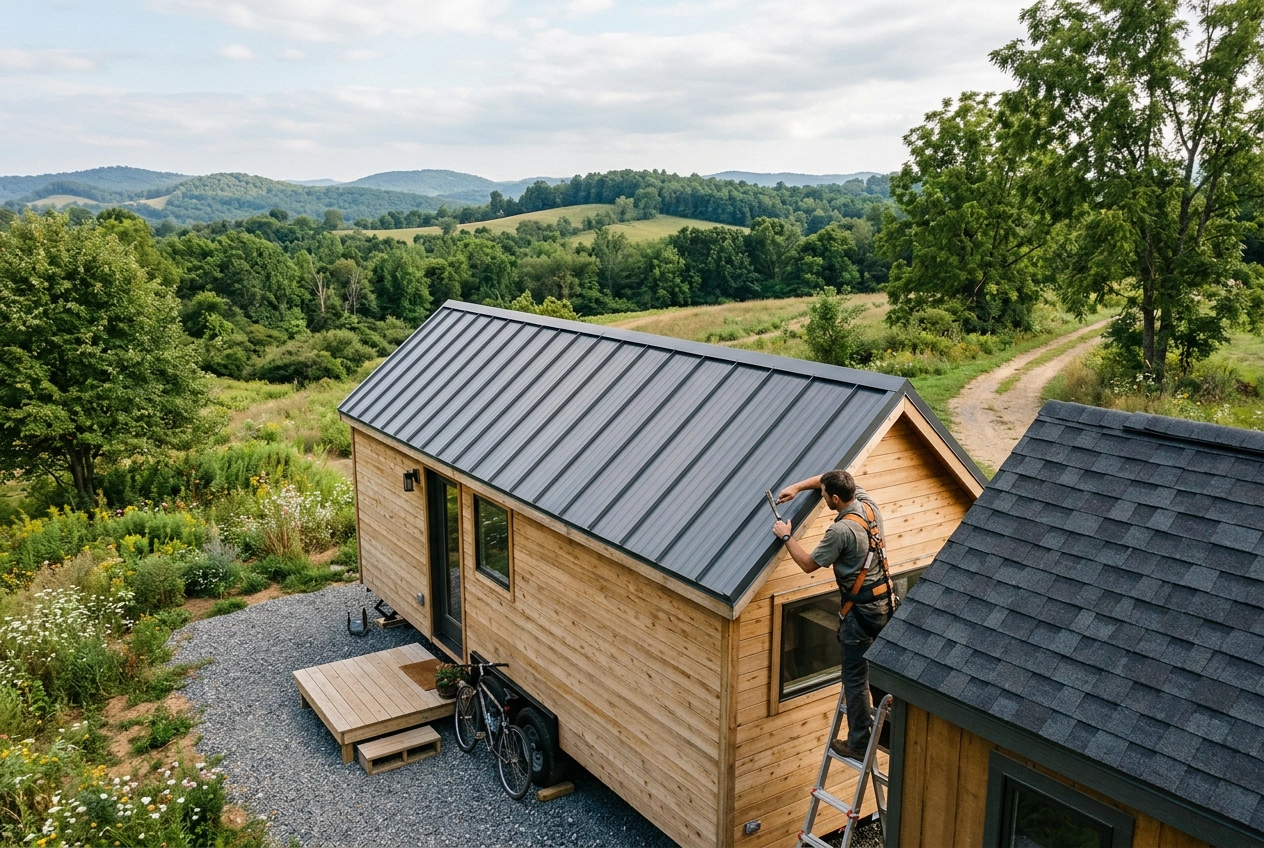
Choosing the best roofing materials for tiny houses is essential for both aesthetics and functionality. Below are some of the most popular roofing options, along with their advantages and disadvantages.
1. Metal Roofing
Metal roofing is a popular choice for tiny houses due to its durability and energy efficiency.
Pros:
- Long lifespan (up to 50 years)
- Reflects sunlight, reducing heat absorption
- Low maintenance requirements
- Lightweight and easy to install
Cons:
- Can be noisy during rain or hail
- Higher initial cost compared to other materials
- Requires proper insulation to prevent condensation
2. Asphalt Shingles
Asphalt shingles are one of the most common roofing materials used in residential construction, including tiny houses.
Pros:
- Affordable and widely available
- Variety of styles and colors
- Easy to install and repair
Cons:
- Shorter lifespan (15-30 years)
- Less energy-efficient than metal or tile options
- Vulnerable to wind and storm damage
3. Wood Shingles or Shakes
Wood shingles or shakes provide a natural aesthetic that appeals to many tiny house owners.
Pros:
- Attractive appearance and variety of styles
- Good insulation properties
- Eco-friendly options available
Cons:
- Requires regular maintenance to prevent rot and insect damage
- More expensive than asphalt shingles
- Vulnerable to fire unless treated
4. Slate Roofing
Slate roofing is known for its elegance and durability, making it a luxurious choice for tiny houses.
Pros:
- Extremely durable and long-lasting (up to 100 years)
- Fire-resistant
- Low maintenance
Cons:
- Very heavy, requiring additional structural support
- High initial cost
- Difficult to install and repair
5. PVC or TPO Roofing
PVC (Polyvinyl Chloride) and TPO (Thermoplastic Olefin) roofing membranes are increasingly popular for flat roofs on tiny houses.
Pros:
- Excellent waterproofing capabilities
- Energy-efficient, reflective surfaces
- Lightweight and easy to install
Cons:
- Can be more expensive than traditional options
- Requires professional installation for best results
- May not blend well with traditional aesthetics
Effective Insulation Techniques for Tiny House Roofs
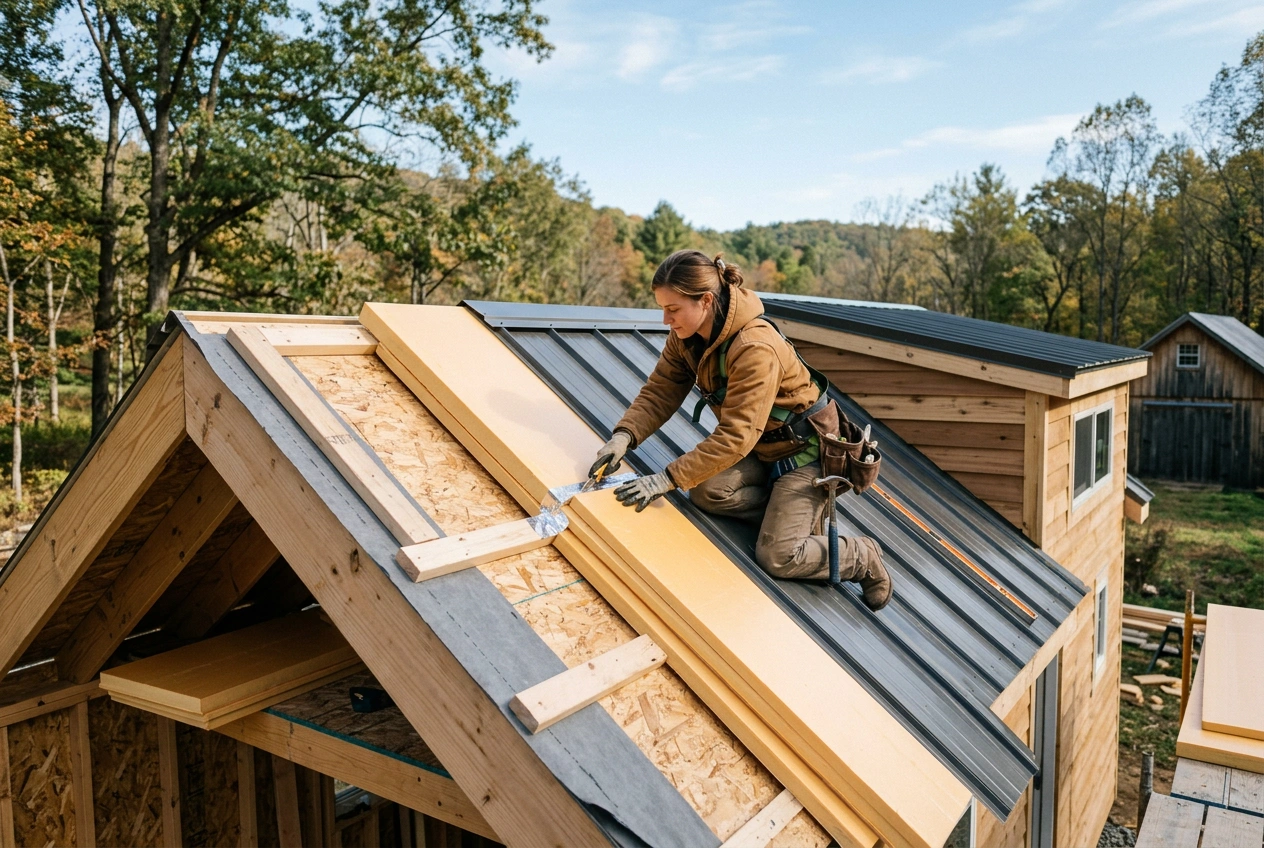
Insulating your tiny house roof effectively is essential for maximizing energy efficiency. Here are some techniques to consider:
1. Spray Foam Insulation
Spray foam insulation is a versatile option that can fill gaps and provide a high R-value per inch.
Advantages:
- Excellent air sealing properties
- High insulation value
- Expands to fill all gaps, preventing air leaks
Disadvantages:
- Higher cost compared to traditional insulation materials
- Requires professional installation for optimal results
2. Rigid Foam Board Insulation
Rigid foam board insulation is easy to install and offers high insulation values.
Advantages:
- Lightweight and easy to cut
- Provides a continuous insulation layer, minimizing thermal bridging
- Resistant to moisture and mold
Disadvantages:
- Can be more expensive than fiberglass batts
- Requires careful sealing of joints to prevent air leaks
3. Fiberglass Batts
Fiberglass batts are one of the most common insulation materials used in residential construction.
Advantages:
- Affordable and widely available
- Non-combustible and resistant to moisture
- Easy to install for DIY projects
Disadvantages:
- Lower R-value compared to foam options
- Requires careful installation to avoid gaps and air leaks
4. Reflective or Radiant Barrier Insulation
Reflective insulation is designed to reflect radiant heat away from living spaces, making it effective in warm climates.
Advantages:
- Can significantly reduce cooling costs in hot climates
- Lightweight and easy to install
- Works well in conjunction with other insulation types
Disadvantages:
- Less effective in colder climates
- Requires a proper air gap for maximum efficiency
Common Mistakes to Avoid When Insulating Your Tiny House Roof
When insulating your tiny house roof, it's essential to avoid certain pitfalls that can undermine your efforts:
- Neglecting Air Sealing: Failing to properly seal gaps and cracks can lead to significant air leaks, reducing the effectiveness of your insulation.
- Overlooking Ventilation: Proper ventilation is crucial to prevent moisture buildup, which can lead to mold and structural damage. Ensure that your roof design allows for adequate airflow.
- Choosing the Wrong Insulation Type: Selecting insulation without considering your climate and specific needs can lead to inefficiencies. Research the best options for your local weather conditions.
- Ignoring Local Building Codes: Always check local building codes and regulations regarding insulation and roofing materials. Compliance ensures safety and may be necessary for insurance purposes.
The Path to Energy Efficiency in Tiny House Roofing
Insulating your tiny house roof effectively requires careful consideration of roofing materials and insulation techniques. By selecting the best roofing materials for tiny houses and employing effective insulation strategies, you can maximize energy efficiency and create a comfortable living space. long-lasting performance.
As you embark on your tiny house journey, remember that the right insulation not only enhances comfort but also contributes to sustainability and lower energy costs.
The Role of TinyHouse.com in Your Tiny House Journey
Understanding the intricacies of tiny house roofing is essential for creating a comfortable and energy-efficient home. TinyHouse.com is dedicated to providing resources, guides, and expert insights to support you in making informed decisions about your tiny house project. Whether you're looking for roofing materials or insulation solutions, TinyHouse.com is here to help.
For more information on tiny house roofing and to explore a wealth of resources, visit TinyHouse.com. Your journey toward an energy-efficient tiny home starts here.