How to Winterize Your Home: Essential Tips for a Cozy, Energy-Efficient Season

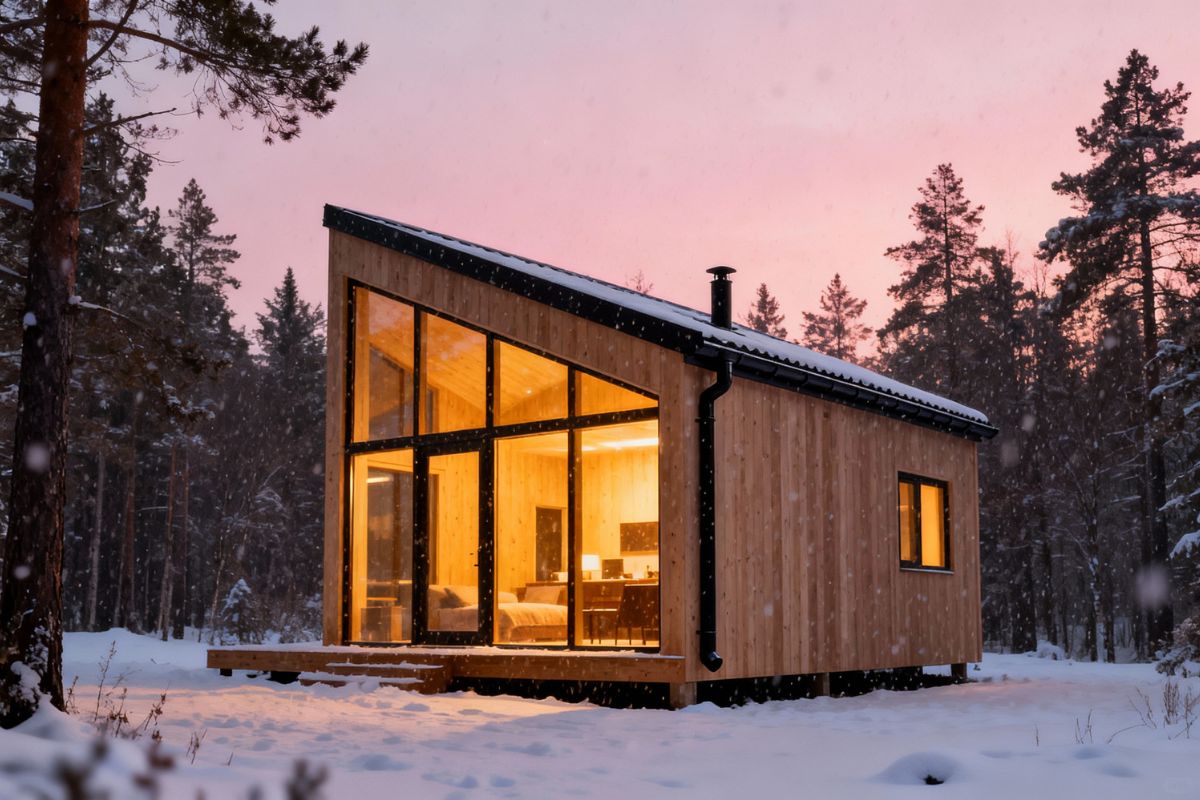
As winter approaches, it’s vital to prepare your home for the chilly months ahead. You can start by sealing drafts around windows and doors to keep the warmth in and the cold out. This simple step not only enhances comfort but also helps you save on energy bills. But there's much more to contemplate for a truly efficient winter. Let’s explore essential tips that will guarantee your home is cozy and well-prepared for the season.
- Seal drafts around windows and doors with weatherstripping and door sweeps to enhance energy efficiency and comfort.
- Insulate your attic and walls with suitable materials to prevent heat loss and lower energy bills.
- Optimize heating systems with regular maintenance and energy-efficient upgrades like programmable thermostats.
- Maintain fireplaces and chimneys by inspecting for blockages and using seasoned wood for safer, efficient heating.
- Prepare an emergency kit with essentials and invest in insulated clothing and bedding for added warmth during winter.
Start By Sealing Drafts for Immediate Comfort
As winter approaches, sealing drafts becomes essential for maintaining a cozy home environment.
Start with draft detection to identify cold air leaks around windows and doors. You can use a simple candle test; just light a candle and move it around the edges of these areas. If the flame flickers, you’ve got a draft.
Next, install door sweeps on your exterior doors to block cold air from sneaking in. These inexpensive strips are easy to attach and can greatly reduce heat loss.
Check for gaps between window frames as well, using weatherstripping to seal any openings. By taking these steps, you’ll keep your home warmer and more energy-efficient throughout the winter months.
Insulate Your Attic and Walls for Maximum Efficiency
To maximize your home’s energy efficiency during the frigid months, insulating your attic and walls is essential.
Start with attic insulation; this area often loses significant heat. Use fiberglass batts or spray foam to create an effective barrier. Guarantee you cover all gaps and seams for maximum effectiveness.
Next, focus on wall insulation. If your walls aren’t insulated, consider adding insulation to existing cavities or using blown-in insulation for ease. This will prevent cold air from seeping in and warm air from escaping.
Check local building codes to guarantee compliance and choose materials suited for your climate.
Proper insulation not only keeps your home cozy but can also lower energy bills, making it a worthwhile investment this winter.
Optimize Your Heating System for Winter Efficiency
When winter arrives, verifying your heating system runs efficiently is essential for maintaining a comfortable home. Start by scheduling regular heating system maintenance, which includes cleaning or replacing filters, checking for leaks, and verifying all components function correctly.
Think about investing in energy efficient upgrades, like a programmable thermostat or high-efficiency furnace, which can greatly reduce energy consumption. Additionally, inspect and seal ducts to prevent heat loss, and verify vents are unobstructed.
You might also want to think about adding insulation around pipes and heating elements to improve performance. By taking these steps, you’ll not only stay warm but also save money on utility bills while minimizing your carbon footprint this winter.
Maintain Your Fireplace and Chimney for Safe Use
Before you light your first fire of the season, it’s essential to guarantee your fireplace and chimney are in safe working order.
Start by inspecting the chimney for any blockages like nests or debris. Schedule a professional cleaning if you haven’t done that in over a year; regular chimney maintenance is critical for preventing chimney fires.
Check your fireplace for cracks or damage, and verify the damper opens and closes easily.
Always use seasoned wood to minimize creosote buildup, which is crucial for fireplace safety.
Finally, install a spark guard to prevent embers from escaping.
.jpg)
Install Programmable Thermostats for Energy Savings
After ensuring your fireplace and chimney are ready for winter, it’s time to turn your attention to optimizing your home’s heating efficiency.
Installing programmable thermostats is a smart choice for energy management. These devices let you set specific heating schedules, ensuring your home stays warm when you're there and saves energy when you’re not.
You can even control them remotely, making your home smarter and more efficient. For instance, you can lower the temperature during the day when everyone’s at work or school, then warm it up before you return.
With a programmable thermostat, you’ll not only enjoy a cozy home but also see a reduction in your energy bills, making it a win-win for your winterizing efforts.
Replace Weatherstripping and Caulking for Better Insulation
To keep the warmth in and the cold out, replacing weatherstripping and caulking around your doors and windows is vital.
Start by choosing the right weatherstripping types, such as adhesive-backed foam, V-strip, or door sweeps, depending on the gaps you need to seal. Measure the areas carefully to guarantee a snug fit.
For caulking, use silicone or acrylic latex caulk, as these offer durability and flexibility. Clean the surfaces thoroughly before applying to guarantee a strong bond.
Use a caulking gun for precision, and smooth the bead with your finger for a clean finish.
After replacing both, you’ll notice a significant reduction in drafts, which will keep your home cozy and energy-efficient all winter long.
Winterize Your Plumbing to Prevent Freezing
As temperatures drop, ensuring your plumbing is winterized becomes essential to prevent freezing pipes and costly repairs.
Start by adding pipe insulation to any exposed pipes, especially in unheated areas like basements or attics. This simple step provides an extra layer of protection against frigid air.
Don’t forget about faucet protection; install insulated covers on outdoor faucets and disconnect any hoses.
If you're heading out for an extended period, consider draining your plumbing system by shutting off the main water supply and draining the pipes.
Finally, keep your home heated to at least 55°F, even when you're away, to maintain a warm environment for your pipes.
Taking these measures can save you from unpleasant surprises come spring.
.jpg)
Select Insulating Curtains and Bedding for Added Warmth
When the chill of winter sets in, selecting insulating curtains and bedding can greatly enhance your home's warmth and comfort.
Start by choosing thermal window treatments made from energy efficient fabrics, which can markedly reduce heat loss. Look for thick, lined curtains that trap air and prevent drafts.
In your bedroom, opt for insulated bedding like flannel sheets or down comforters to retain body heat. Layering blankets can also provide extra warmth.
Don’t forget to check for gaps around your windows and doors, as even the best curtains won't keep the cold out if there's a draft.
Stock Up on Winter Emergency Supplies and Gear
Before the first snowfall hits, it's essential to stock up on winter emergency supplies and gear to guarantee you're prepared for any unexpected situations.
Begin by assembling emergency kits that include essentials like non-perishable food, water, a flashlight, batteries, and a first-aid kit. Don’t forget to add a multi-tool and blankets for extra warmth.
Next, invest in quality winter clothing, including insulated jackets, waterproof boots, and thermal gloves. These items will keep you comfortable and safe during cold spells.
Additionally, consider having a snow shovel and ice melt on hand for quick snow removal.
Conclusion
By following these winterization tips, you’ll create a cozy, energy-efficient home that stands up to the cold. Sealing drafts, insulating your space, and optimizing your heating system not only enhance comfort but also help lower your energy bills. Don’t forget to maintain your fireplace and prepare for emergencies. With these practical steps, you can enjoy a warm winter season while ensuring your home stays safe and efficient. Embrace the chilly months with confidence!


.svg)