
Mindful Consumption Habits That Complement Simple Living

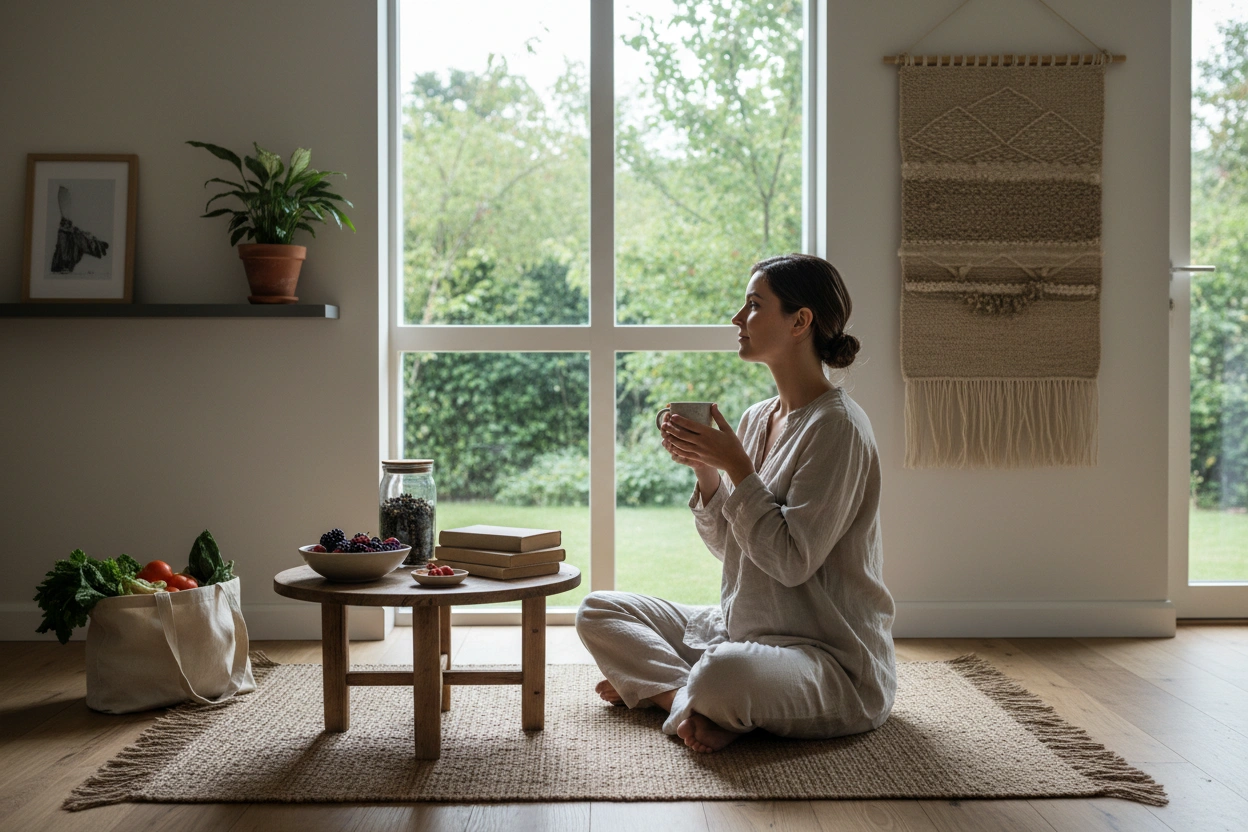
In an age where consumerism often dictates our choices, the concept of simple living stands out as a refreshing alternative. Simple living is not merely about downsizing or decluttering; it embodies a lifestyle choice that emphasizes mindfulness and intentionality in consumption. This approach encourages individuals to reflect on their needs versus wants, leading to more sustainable living practices. By adopting mindful consumption habits, one can significantly enhance their experience of simple living, creating a more harmonious environment that reflects personal values rather than societal pressures.
As the world continues to face environmental challenges, the importance of sustainable living has become increasingly apparent. Mindful consumption habits can reduce waste, conserve resources, and promote a lifestyle that respects both the planet and personal well-being. This article will delve into practical strategies for fostering mindful consumption, including budget-friendly decor ideas to create a simpler home environment.
Understanding Simple Living
The Philosophy Behind Simple Living
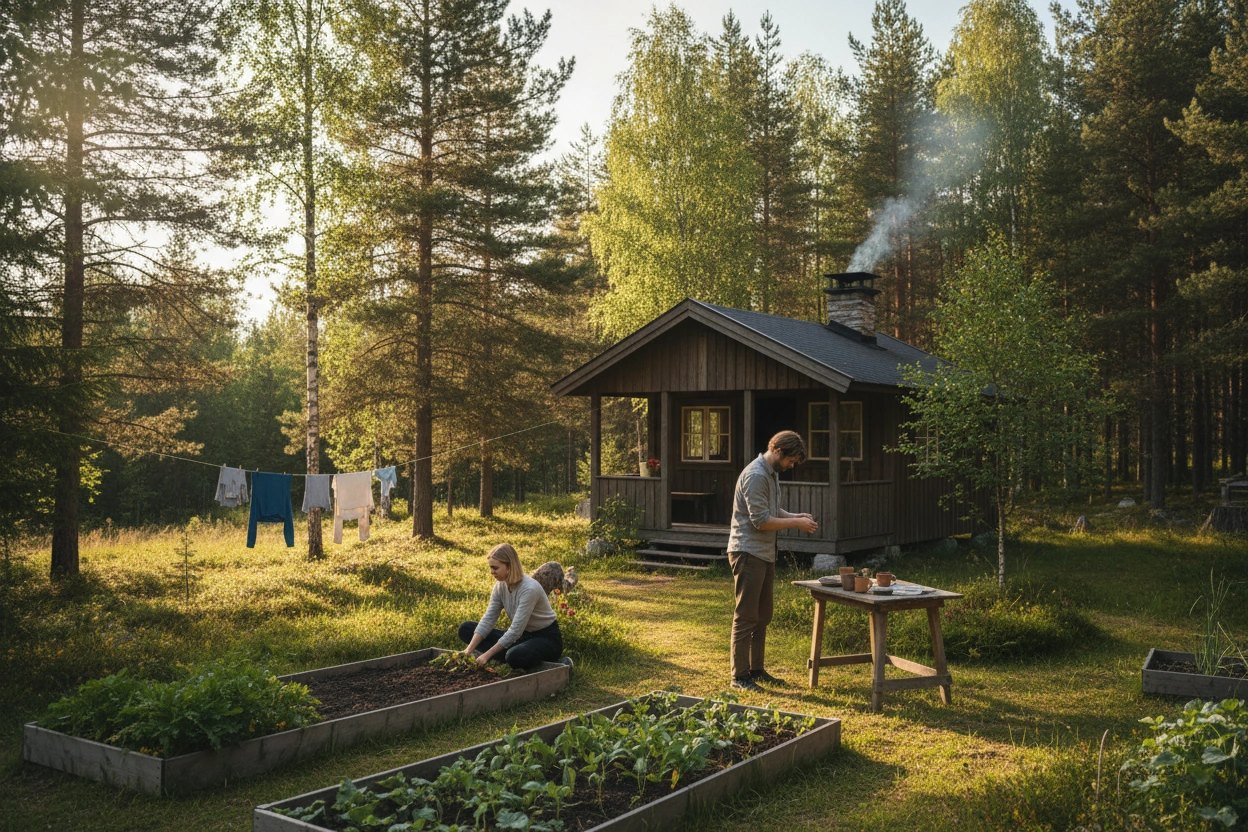
Simple living is rooted in the idea that less is more. It challenges the notion that happiness is found in material possessions. Instead, it promotes a lifestyle focused on experiences, relationships, and personal growth. By simplifying life, individuals often find greater joy in the little things, such as spending time with loved ones or enjoying nature.
This philosophy encourages people to assess their habits critically. It asks questions like: What do I truly need? How can I reduce my environmental footprint? By answering these questions, one can create a life filled with purpose and satisfaction.
The Impact of Simple Living on Mental Health
Living simply can have profound effects on mental health. Clutter and excess can lead to stress and anxiety, while a minimalist lifestyle can foster clarity and peace. Research indicates that environments that are free from clutter can enhance focus, improve mood, and promote overall well-being. By embracing simple living, individuals can cultivate a more balanced and fulfilling life.
Top 10 Decluttering Tips for a Simpler Home
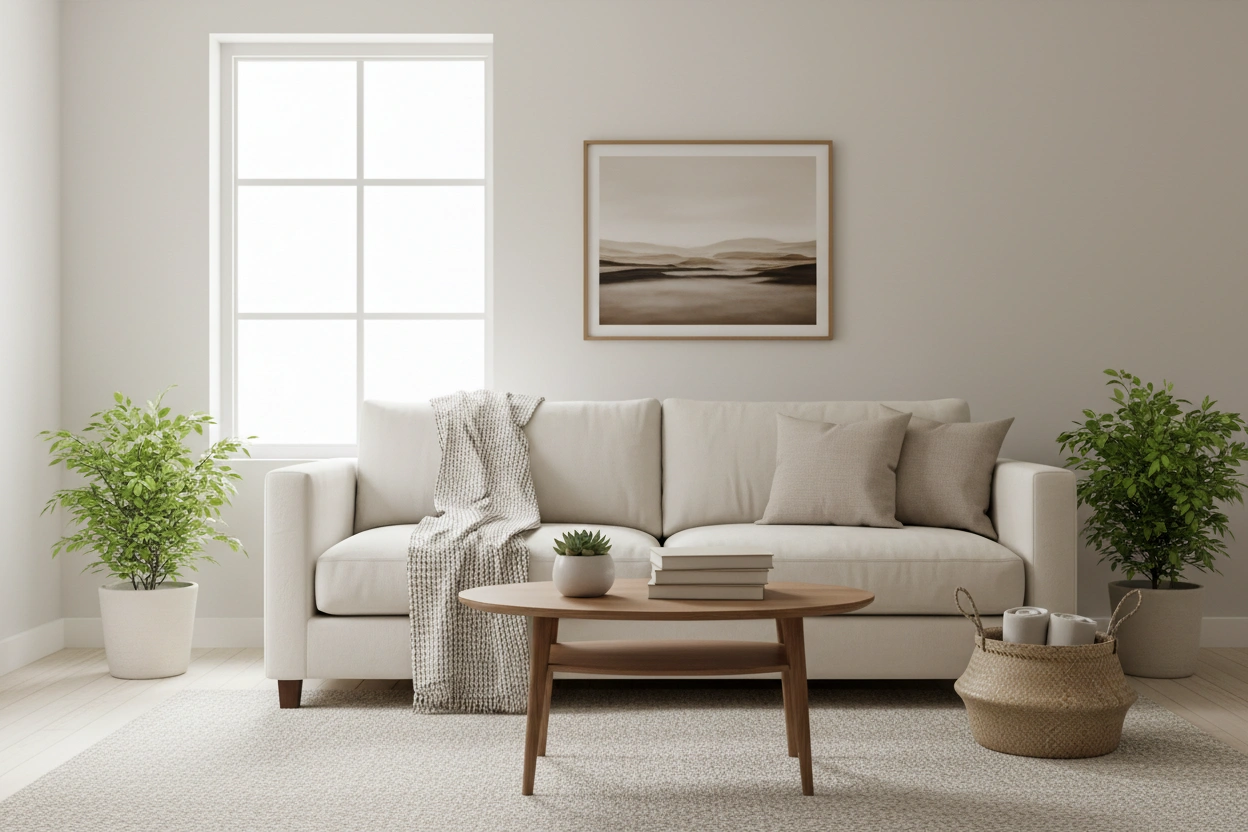
Decluttering is a critical component of simple living. It involves not just organizing possessions but making conscious decisions about what to keep and what to let go. Here are ten actionable tips to help you declutter your space effectively.
Start Small
Begin with a single drawer or a small area. Tackling a massive project can feel overwhelming. By starting small, you create quick wins that motivate you to continue.Use the One-Year Rule
If you haven’t used an item in the past year, consider whether it’s worth keeping. This rule helps in making objective decisions about your belongings.Create a Decluttering Schedule
Dedicate specific times each week to decluttering. Consistency is key to making progress. For instance, set aside an hour every Saturday morning.Sort Items into Categories
Use bins or boxes to categorize items: keep, donate, recycle, and throw away. This method simplifies the decision-making process.Limit Sentimental Items
It’s natural to hold onto items with emotional value. However, consider keeping only a few meaningful pieces. Take photos of other items to preserve memories without the physical clutter.Implement a “One In, One Out” Policy
For every new item you bring into your home, let go of an existing one. This practice keeps clutter from accumulating over time.Use Vertical Space
Maximize your storage by utilizing vertical space. Shelves, hooks, and wall-mounted organizers can help keep items off the floor and organized.Declutter Regularly
Make decluttering a regular part of your life. Schedule seasonal decluttering sessions to maintain a minimalist environment.Be Mindful of New Purchases
Before buying something new, reflect on whether it aligns with your values and lifestyle. This mindfulness helps prevent unnecessary accumulation.Seek Support
Sometimes, decluttering can feel isolating. Engage friends or family in your decluttering process, or consider hiring a professional organizer for guidance.
The Benefits of Mindful Consumption
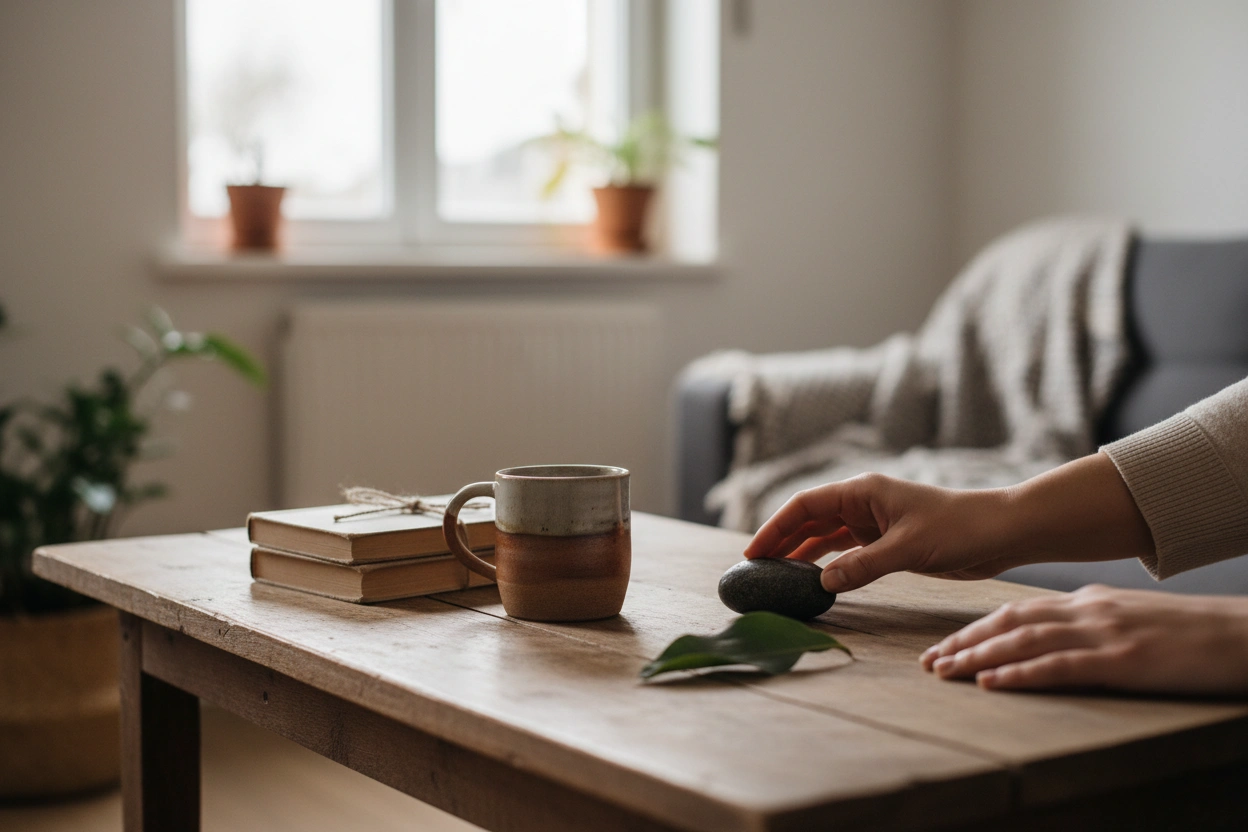
Mindful consumption is about making intentional choices that reflect personal values. This approach to living can lead to numerous benefits, including:
Environmental Sustainability
By consuming less and choosing sustainable products, individuals can significantly reduce their environmental footprint. Mindful consumption encourages the use of eco-friendly materials, supporting brands that prioritize sustainability. mindful consumption habits for sustainable simple living.
Financial Savings
Simplifying consumption often leads to reduced spending. By being selective about purchases, individuals can save money, leading to greater financial stability. This is particularly beneficial for those aspiring to achieve homeownership or financial independence.
Enhanced Quality of Life
Mindful consumption fosters a more meaningful life. By focusing on quality over quantity, individuals can invest in experiences and relationships that enrich their lives. This shift leads to greater satisfaction and happiness.
Common Misconceptions About Simple Living
Simple Living Equals Sacrifice
Many people mistakenly believe that simple living requires sacrificing comfort and joy. In reality, it often leads to greater fulfillment. By reducing excess, individuals can focus on what truly matters, enhancing their overall quality of life.
Minimalism is Only for Certain People
Simple living is often associated with specific demographics, such as millennials or those in urban settings. However, anyone can adopt these principles, regardless of age or lifestyle. Simple living is about making conscious choices that align with personal values.
Decluttering is a One-Time Task
Some believe that decluttering is a one-time event. In truth, it is an ongoing process. Regularly assessing possessions and consumption habits is essential to maintaining a simple living lifestyle.
Incorporating Mindful Consumption into Daily Life
Practice Mindfulness in Shopping
Before making a purchase, take a moment to consider the necessity and impact of the item. Ask yourself if it aligns with your values and whether it contributes to your overall happiness.
Choose Quality Over Quantity
Invest in high-quality items that are durable and timeless. This not only reduces waste but also ensures that your possessions are meaningful and valuable.
Support Local and Sustainable Brands
When possible, choose to support local businesses and brands that prioritize sustainability. This practice helps foster a community-oriented approach to consumption.
Foster a Community of Mindful Consumers
Engage with like-minded individuals who share a commitment to simple living and mindful consumption. This support network can provide motivation, accountability, and inspiration.
The Intersection of Mindful Consumption and Simple Living
By embracing mindful consumption habits, individuals can significantly enhance their experience of simple living. This lifestyle not only promotes personal well-being but also contributes to a more sustainable world. Mindful consumption leads to less waste, a smaller environmental footprint, and a more fulfilling life centered around what truly matters.
If you are seeking resources and support on your journey toward simple living, TinyHouse.com offers a wealth of information on sustainable living and tiny home ownership. Explore how you can create a simpler, more intentional lifestyle that aligns with your values.
Embrace Simple Living with TinyHouse.com
As you reflect on the mindful consumption habits that complement simple living, consider how TinyHouse.com can assist you in your journey. With resources tailored to aspiring homeowners and those interested in tiny living, you can find the guidance you need to simplify your life.
Visit TinyHouse.com to learn more about how you can start your journey toward a sustainable and fulfilling lifestyle. Whether you're looking to downsize or simply adopt more mindful consumption habits, TinyHouse.com is here to help.


.svg)

.jpg)
.jpg)
.jpg)