Top 5 Roofing Types Perfect for Your Tiny House

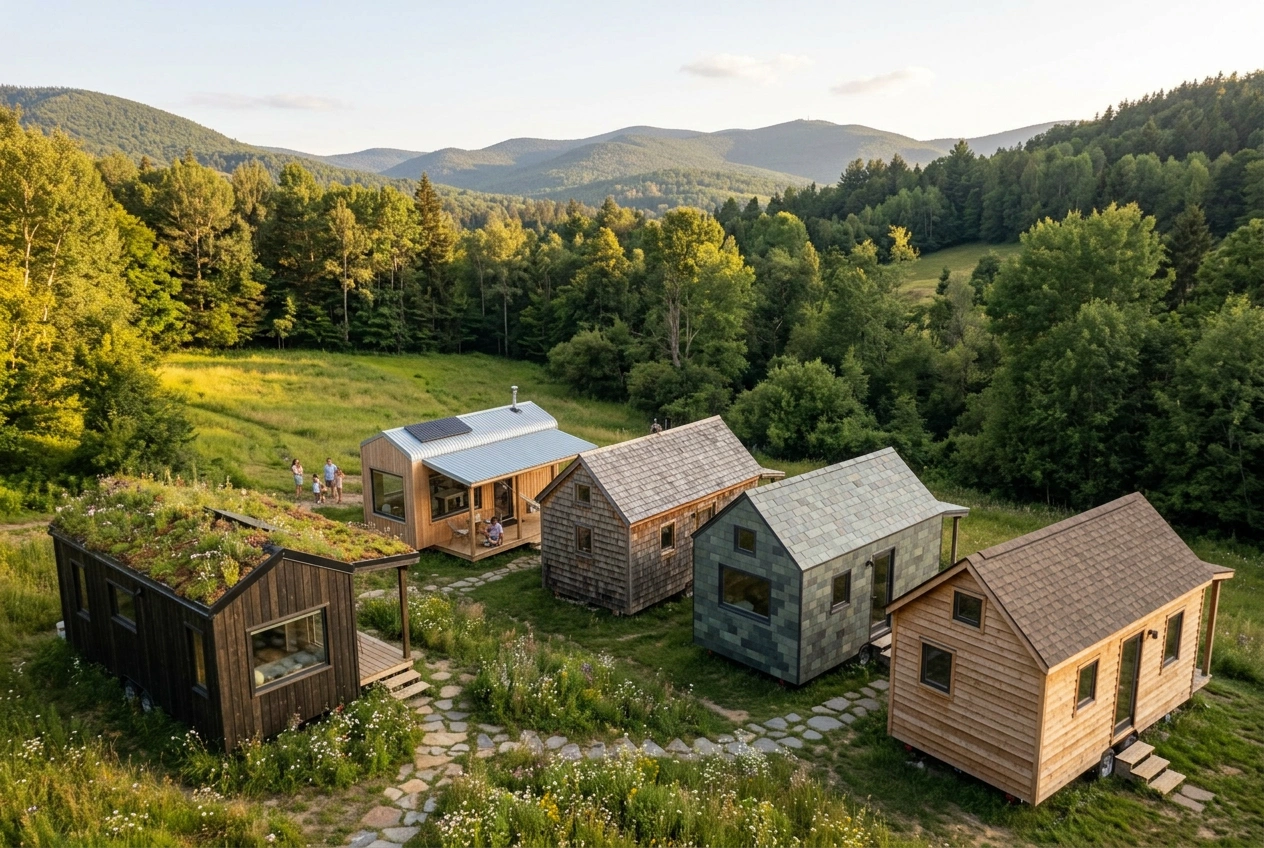
Choosing the right roofing type for your tiny house is a significant decision that impacts not only aesthetics but also functionality, durability, and energy efficiency. With the growing popularity of tiny homes, understanding the various roofing options available can help you make an informed choice that aligns with your lifestyle and budget. This article outlines the top five roofing types specifically suited for tiny houses, focusing on their unique characteristics, advantages, and considerations.
1. Metal Roofing
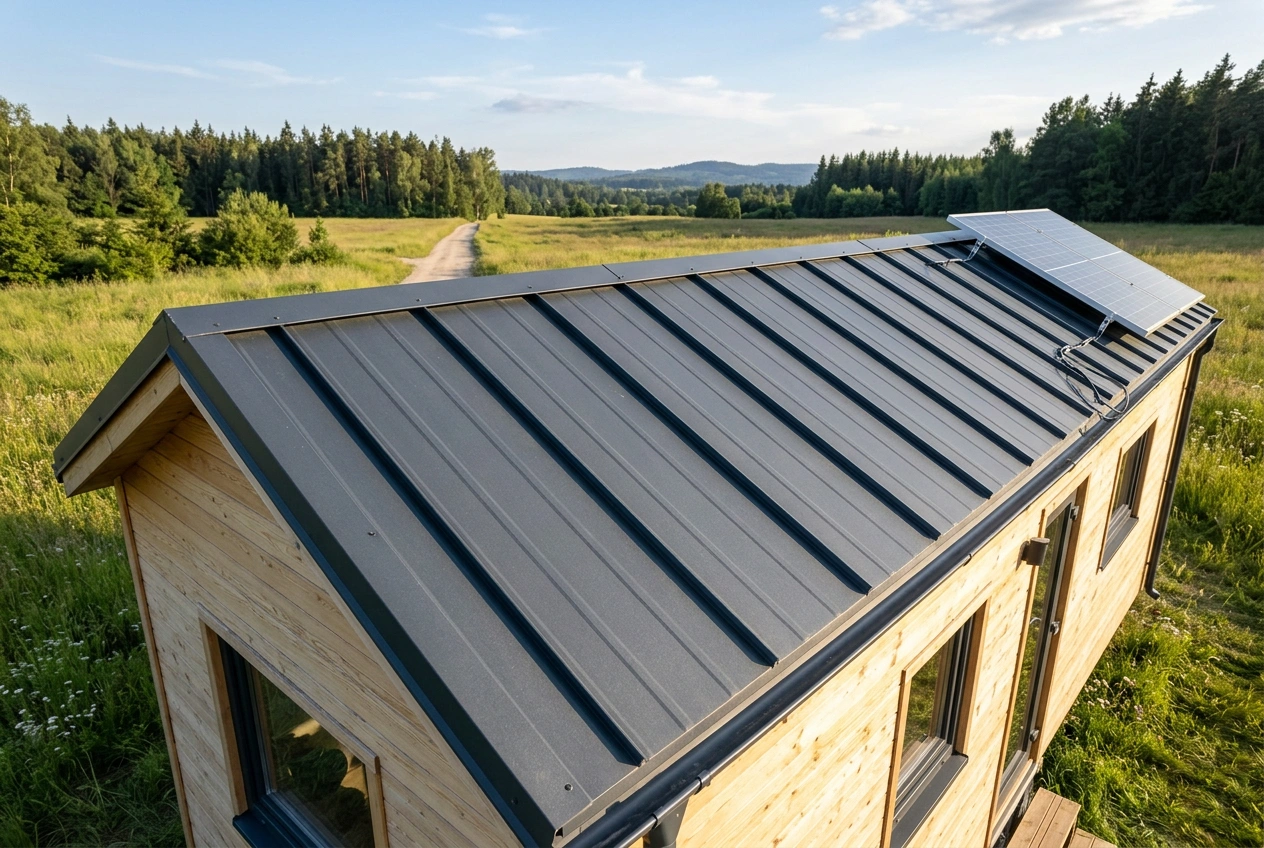
Metal roofing is increasingly favored for tiny houses due to its lightweight nature and exceptional durability. Made from materials like steel or aluminum, metal roofs can withstand extreme weather conditions, making them ideal for various climates. The lifespan of metal roofing can range from 40 to 70 years, significantly reducing the need for repairs or replacements.
Advantages of Metal Roofing
- Longevity: Metal roofs can last decades with proper maintenance, making them a cost-effective option in the long run.
- Energy Efficiency: Many metal roofing materials are designed to reflect solar heat, which can lead to lower energy bills during hot weather.
- Sustainability: Metal roofing is often made from recycled materials and is fully recyclable at the end of its life cycle, appealing to environmentally conscious homeowners.
Considerations
While metal roofing is highly durable, it can be noisy during rainstorms, which may be a consideration for those who prioritize a quiet living environment. Additionally, the initial cost can be higher than other roofing materials, but the investment typically pays off over time due to its longevity and low maintenance requirements.
2. Asphalt Shingles
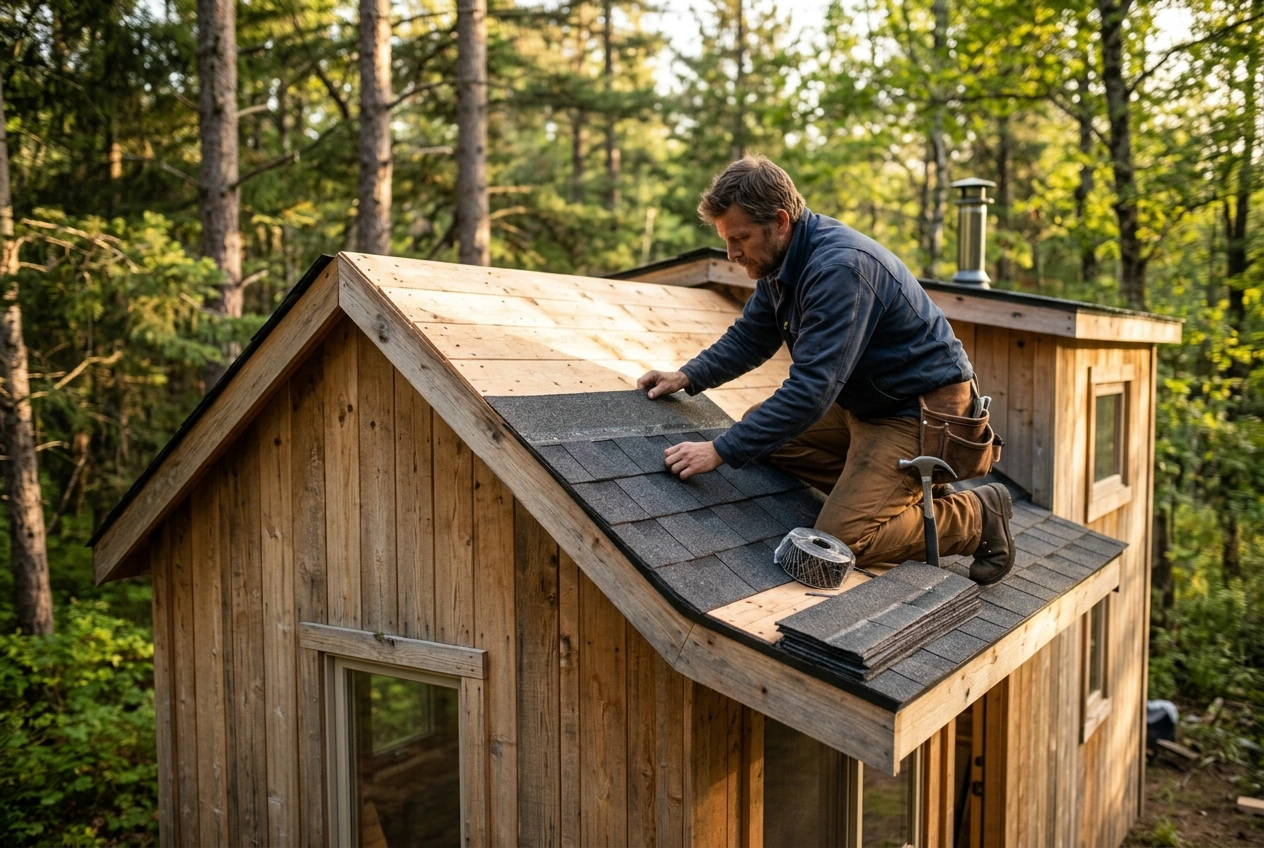
Asphalt shingles remain one of the most popular roofing materials in North America, and for good reason. They are affordable, easy to install, and come in a variety of colors and styles, allowing for customization to match your tiny house's design.
Advantages of Asphalt Shingles
- Cost-Effective: Asphalt shingles are one of the most budget-friendly roofing materials, making them accessible for tiny house builders.
- Wide Variety: They are available in numerous designs and colors, enabling homeowners to achieve their desired aesthetic without breaking the bank.
- Ease of Installation: The installation process is straightforward, often allowing for a DIY approach, which can save additional labor costs.
Considerations
The main drawback of asphalt shingles is their relatively shorter lifespan, typically lasting around 20 to 30 years. They also may not perform as well in extreme weather conditions compared to metal roofing. Homeowners in areas prone to heavy snow or high winds should evaluate the suitability of asphalt shingles for their specific location.
3. EPDM Rubber Roofing
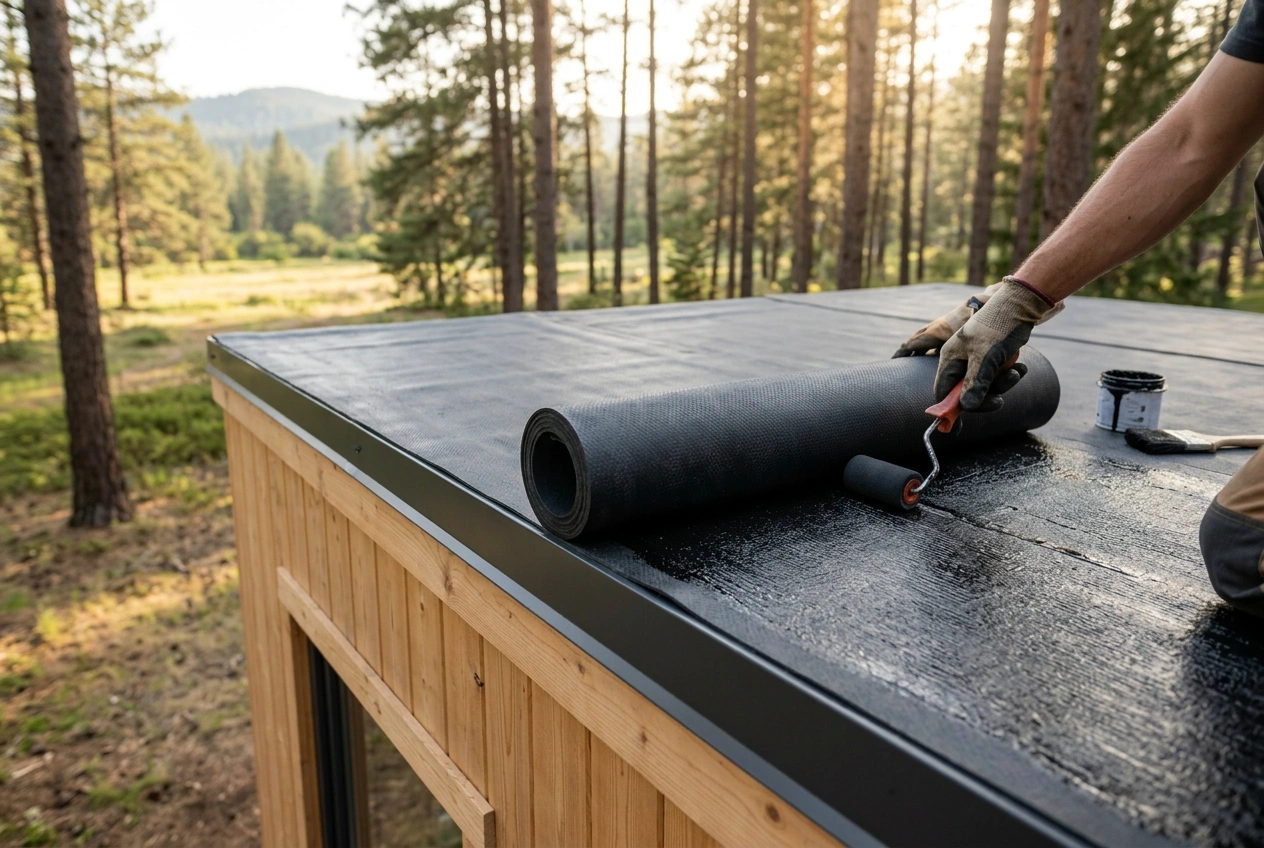
EPDM (Ethylene Propylene Diene Monomer) rubber roofing is a popular choice for flat-roofed tiny homes. This synthetic rubber membrane is known for its flexibility, durability, and ease of installation.
Advantages of EPDM Rubber Roofing
- Waterproof: EPDM is highly resistant to water, making it an excellent option for flat roofs that require effective drainage solutions.
- Low Maintenance: With a lifespan of 30 to 50 years, EPDM roofing requires minimal upkeep, allowing homeowners to focus on enjoying their space.
- Energy Efficient: Many EPDM products are available in reflective options, which can help reduce cooling costs during hot months.
Considerations
While EPDM roofing is highly durable, it may not be as visually appealing as other options, particularly for those who desire a more traditional look. Additionally, the installation process can be complex, and homeowners may need to hire professionals to ensure a proper fit.
4. Clay or Concrete Tiles
Clay and concrete tiles offer a distinctive look that can enhance the aesthetic appeal of a tiny house. Known for their longevity and resistance to extreme weather, these materials are particularly popular in warmer climates.
Advantages of Clay or Concrete Tiles
- Durability: These tiles can last over 50 years with proper care, making them a long-term investment for homeowners.
- Fire Resistance: Clay and concrete tiles are non-combustible, providing an added layer of safety for tiny houses.
- Energy Efficiency: The thermal mass of clay and concrete helps regulate indoor temperatures, potentially lowering heating and cooling costs.
Considerations
The weight of clay and concrete tiles requires a sturdy roof structure, which may necessitate additional framing. Furthermore, the initial cost can be significantly higher than other roofing options, so budgeting is essential for homeowners considering this type of roofing.
5. Green Roofs
Green roofs, or living roofs, involve the installation of vegetation on the roof surface. This innovative roofing option is gaining traction among eco-friendly tiny home enthusiasts.
Advantages of Green Roofs
- Environmental Benefits: Green roofs improve air quality, reduce stormwater runoff, and provide natural insulation, making them a sustainable choice.
- Aesthetic Appeal: A green roof can create a beautiful outdoor space that enhances the overall appearance of a tiny house.
- Biodiversity: They can support various plants and wildlife, contributing to local ecosystems.
Considerations
The installation of a green roof requires careful planning and maintenance, including regular watering and plant care. Additionally, the initial costs can be high due to the need for specialized materials and structural support to handle the added weight of soil and vegetation.
The Intersection of Tiny House Roofing and Sustainable Living
Selecting the right roofing type is an essential part of designing a tiny house. Each roofing option discussed provides unique benefits and considerations, allowing homeowners to align their choices with their lifestyle, budget, and environmental values. Understanding the characteristics of each roofing type will aid in making a well-informed decision that supports your tiny living goals.
TinyHouse.com is dedicated to supporting your journey toward a sustainable and fulfilling tiny home experience. Whether you are building or buying, we provide valuable resources and insights to help you navigate the world of tiny house living.
For more information on tiny house roofing and other essentials for your tiny home, visit TinyHouse.com.