Top 5 Tiny House Roofing Types Compared for Durability

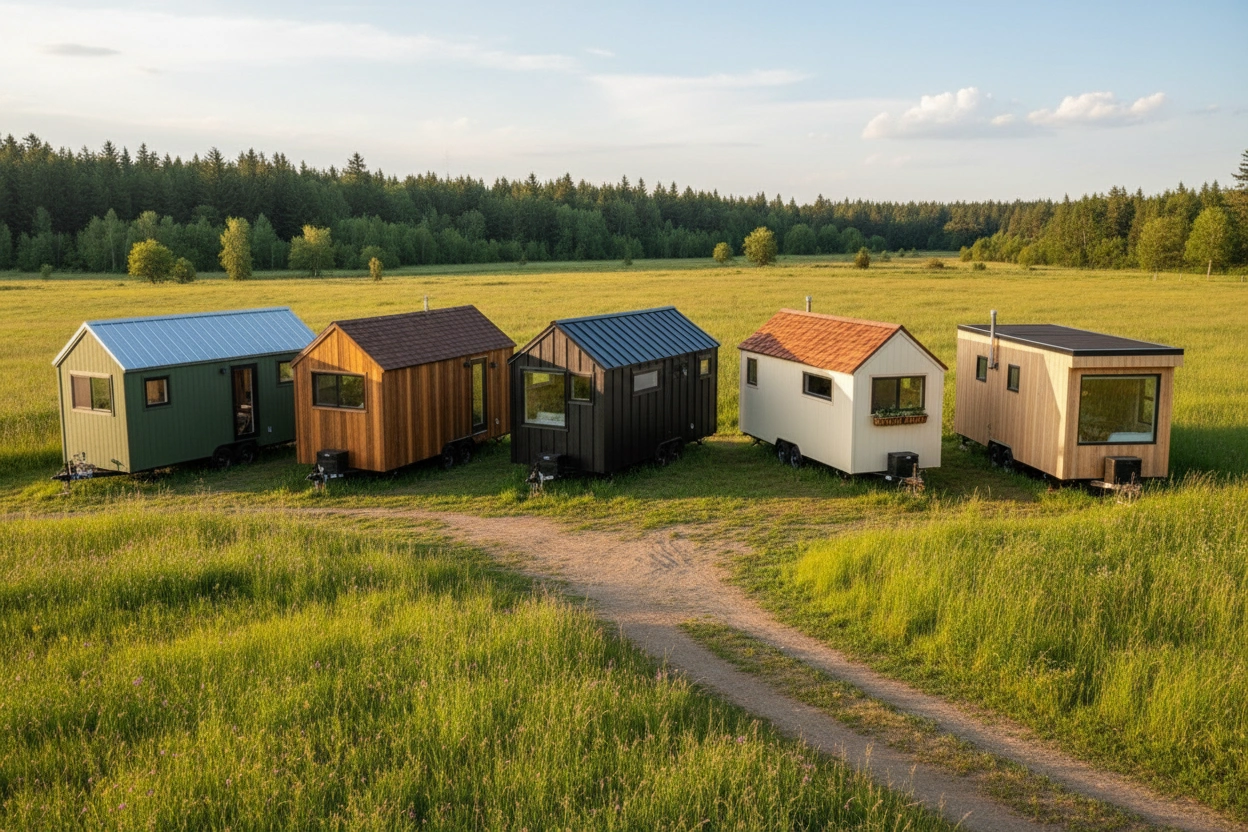
When it comes to tiny house living, the roofing type you choose can significantly impact your home's durability, efficiency, and overall aesthetic. Tiny house roofing is not just about keeping the rain out; it's also about insulation, weight considerations, and how well the roof integrates with the overall design. With various materials available, selecting the best roofing materials for tiny houses can feel overwhelming. This article will compare the top five roofing types for tiny homes, providing insights into their pros and cons to help you make an informed decision.
1. Metal Roofing
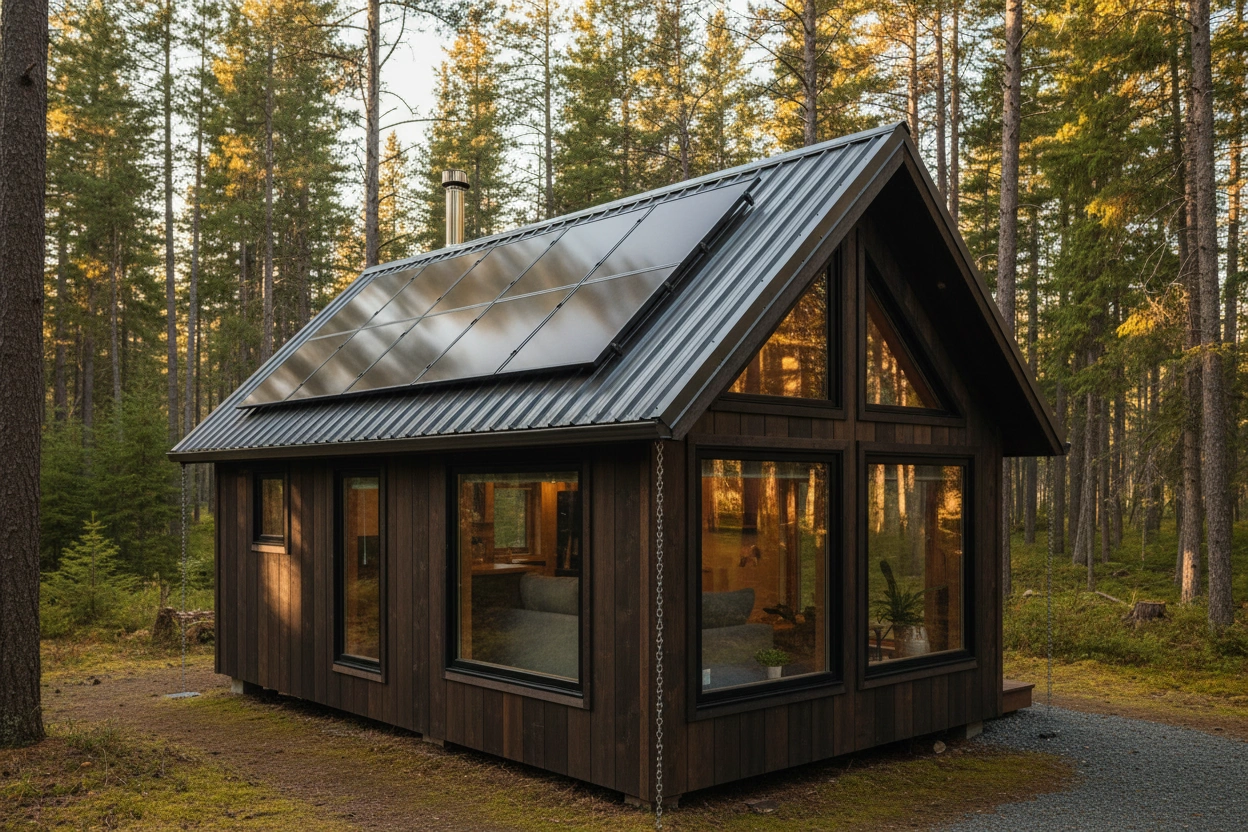
Metal roofing has gained popularity among tiny house builders for its durability and longevity. Made from materials like aluminum or steel, metal roofs can last anywhere from 40 to 70 years when installed correctly. This type of roofing is particularly effective in shedding snow and rain, making it a great choice for regions with harsh weather conditions. Additionally, metal roofs are lightweight, which is crucial for tiny homes that have weight restrictions.
Another significant advantage of metal roofing is its energy efficiency. Many metal roofs come with reflective coatings that can help reduce heat absorption, leading to lower energy costs down. Furthermore, metal is recyclable, making it an environmentally friendly choice. However, potential downsides include noise during heavy rain or hail and the need for proper insulation to mitigate sound. Overall, metal roofing is a solid choice for tiny house roofing due to its durability, longevity, and energy efficiency.
Pros of Metal Roofing
- Extremely durable and long-lasting
- Lightweight, reducing structural strain
- Reflective coatings improve energy efficiency
- Environmentally friendly through recyclability
Cons of Metal Roofing
- Can be noisy during rain or hail
- Requires adequate insulation for sound dampening
2. Asphalt Shingles
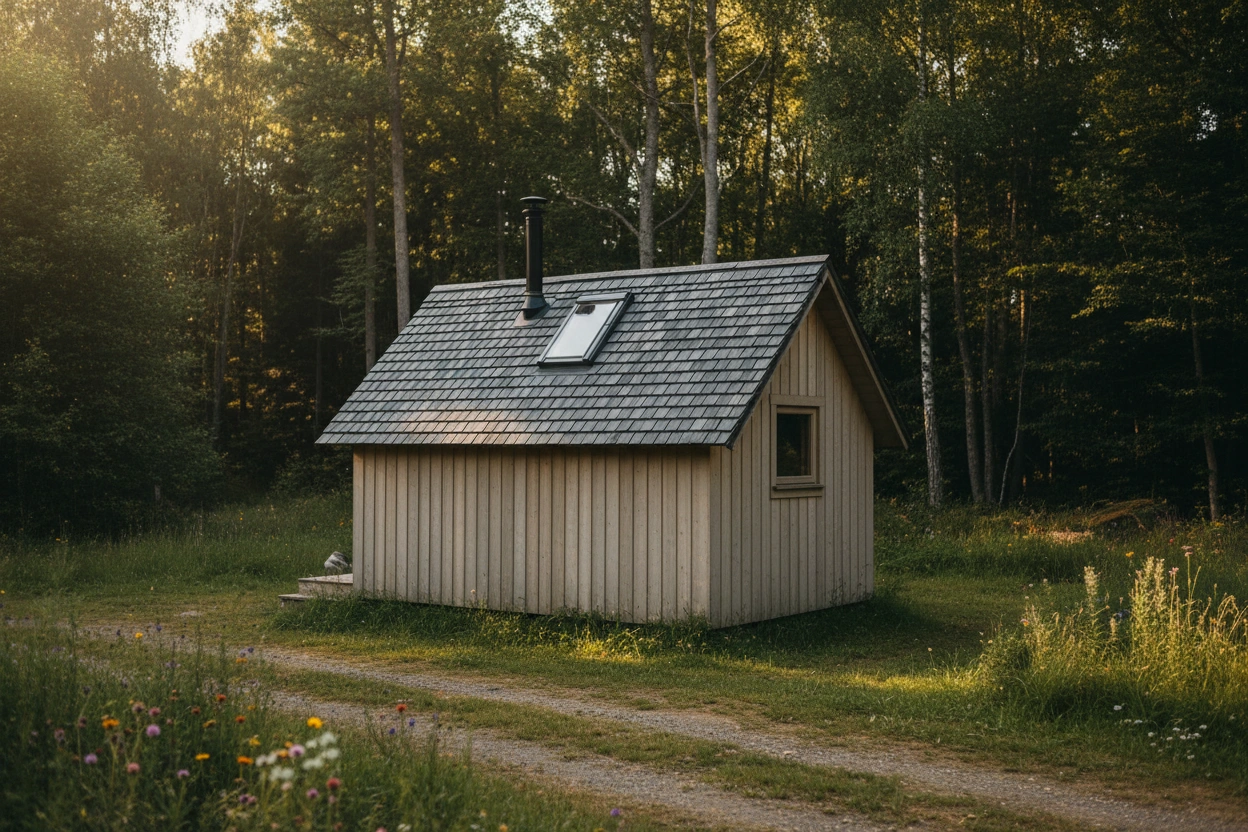
Asphalt shingles are one of the most common roofing materials used in residential construction, including tiny houses. They are relatively inexpensive and easy to install, making them a popular choice for DIY builders. Asphalt shingles come in a variety of styles and colors, allowing homeowners to customize their roofs to match their aesthetic preferences.
While asphalt shingles may not have the same lifespan as metal roofs, they can last between 15 to 30 years with proper maintenance. They are also effective at insulating the home, which can help keep energy costs down. However, asphalt shingles are not as durable in extreme weather conditions, such as heavy snow or high winds, which can lead to damage over time. For those on a budget or looking for a straightforward roofing solution, asphalt shingles are an accessible option for tiny house roofing.
Pros of Asphalt Shingles
- Cost-effective and widely available
- Variety of styles and colors for customization
- Good insulation properties
Cons of Asphalt Shingles
- Shorter lifespan compared to metal roofing
- Less durable in extreme weather conditions
3. TPO Roofing
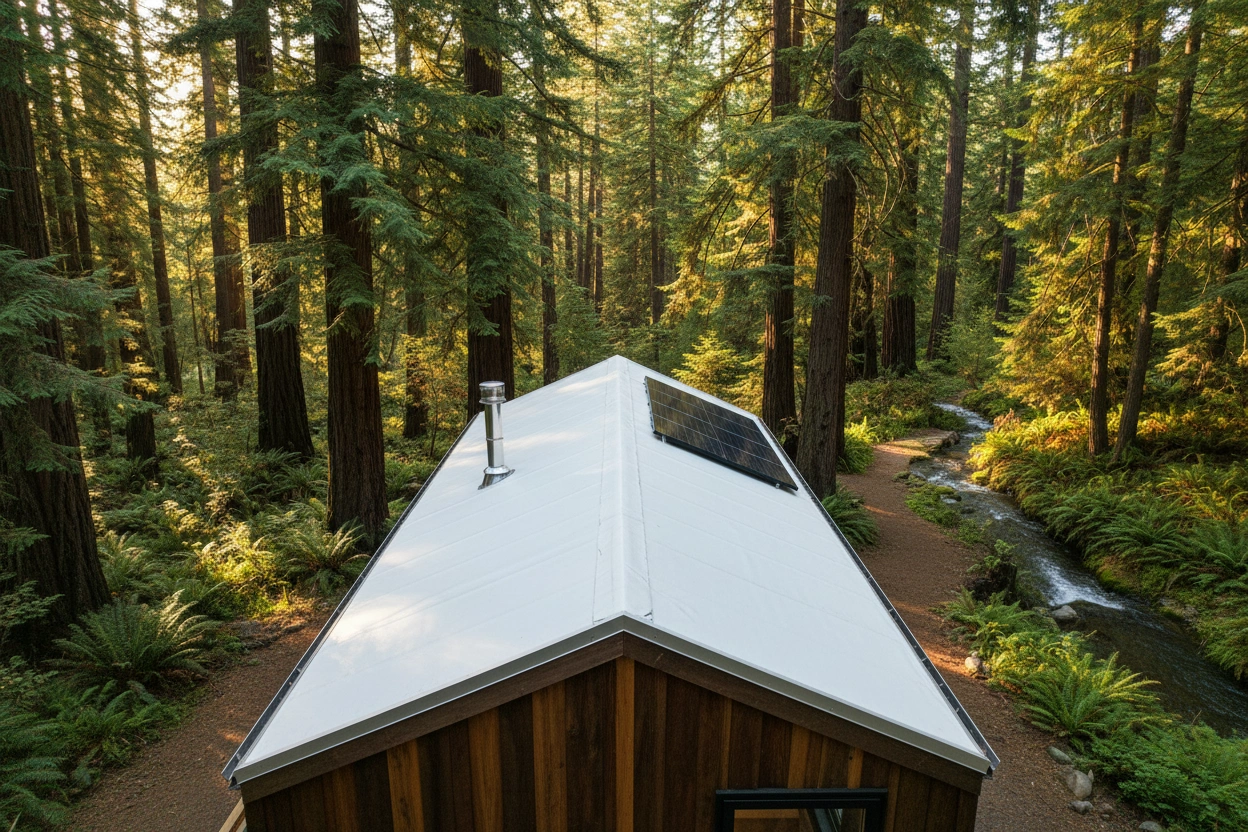
Thermoplastic Olefin (TPO) roofing has emerged as a popular choice for tiny houses, especially those with flat roofs. TPO is a single-ply roofing membrane that offers excellent energy efficiency and durability. It is highly resistant to UV rays, chemical exposure, and punctures, making it suitable for various climates.
One of the key benefits of TPO roofing is its reflective surface, which can help reduce heat absorption and lower cooling costs in warmer climates. Additionally, TPO is lightweight, which is beneficial for tiny homes that require careful weight management. However, the installation of TPO roofing can be more complex than traditional shingles, often requiring professional assistance. For tiny houses with flat roofs or those in warmer regions, TPO roofing is an excellent option to consider.
Pros of TPO Roofing
- Excellent energy efficiency due to reflective surface
- Highly resistant to UV rays and chemicals
- Lightweight, suitable for tiny homes
Cons of TPO Roofing
- Installation may require professional help
- Can be more expensive than asphalt shingles
4. Slate Roofing
Slate roofing is often regarded as one of the most luxurious roofing materials available, known for its beauty and longevity. Made from natural stone, slate roofs can last over 100 years with minimal maintenance. Their unique appearance adds significant curb appeal to tiny homes, making them an attractive option for those who prioritize aesthetics.
While slate is incredibly durable and can withstand harsh weather conditions, it is also heavy. This weight can be a limiting factor for tiny homes, which often have strict weight restrictions. Additionally, the cost of slate roofing can be prohibitive for many tiny house builders, making it less accessible. For those who can afford it and have the structural support to accommodate the weight, slate roofing offers unmatched durability and elegance.
Pros of Slate Roofing
- Exceptional durability with a lifespan exceeding 100 years
- Beautiful and unique appearance
- Excellent performance in extreme weather conditions
Cons of Slate Roofing
- Very heavy, requiring additional structural support
- High cost compared to other roofing materials
5. Rubber Roofing
Rubber roofing, typically made from recycled tires, is an eco-friendly option that has gained traction in the tiny house community. Known for its flexibility and ease of installation, rubber roofing can be an excellent choice for those looking for a low-maintenance solution. It is particularly effective for flat roofs, providing a waterproof barrier that can withstand various weather conditions.
One of the significant advantages of rubber roofing is its resilience to UV radiation and temperature fluctuations. This durability can lead to lower maintenance costs over time. However, rubber roofing can be less aesthetically pleasing compared to other materials, and its lifespan is typically shorter, averaging around 30 years. For environmentally-conscious builders or those with flat roofs, rubber roofing is a practical and sustainable choice.
Pros of Rubber Roofing
- Eco-friendly option made from recycled materials
- Flexible and easy to install
- Excellent waterproofing capabilities
Cons of Rubber Roofing
- Less visually appealing than other materials
- Shorter lifespan compared to slate or metal roofing
Making the Right Choice for Tiny House Roofing
Choosing the right roofing material for your tiny house is essential for ensuring durability, energy efficiency, and aesthetic appeal. Each of the roofing types discussed has its own set of advantages and disadvantages, making it crucial to consider your specific needs and circumstances before making a decision. top five roofing types for tiny homes discussed has its own set of advantages and disadvantages, making it crucial to consider your specific needs and circumstances before making a decision.
Whether you prioritize cost, aesthetics, or environmental impact, understanding the options available can help you select the best roofing materials for tiny houses. By evaluating the pros and cons of each type, you can make a more informed choice that aligns with your tiny home vision.
The Best Choices for Tiny House Roofing
When it comes to tiny house roofing, the right material can significantly affect your home's longevity and efficiency. Metal roofing stands out for its durability and energy efficiency, while asphalt shingles offer a cost-effective and customizable solution. TPO roofing is ideal for flat roofs, and slate provides unmatched elegance at a higher cost. Lastly, best choices for tiny house roofing presents a sustainable option for environmentally-conscious builders.
TinyHouse.com is dedicated to helping you navigate your tiny home journey, providing resources and information to assist you in making the best choices for your tiny house roofing. Whether you're building or buying, understanding your roofing options is crucial to ensuring a comfortable and lasting home.
Take the Next Step with TinyHouse.com
If you're ready to explore more about tiny house roofing and other essential aspects of tiny home living, visit TinyHouse.com for valuable resources and guidance. Contact TinyHouse.com today to get started on your journey toward a sustainable and fulfilling tiny house lifestyle.


.svg)

.jpg)