
Top 5 Tiny House Roofing Types to Match Modern Designs

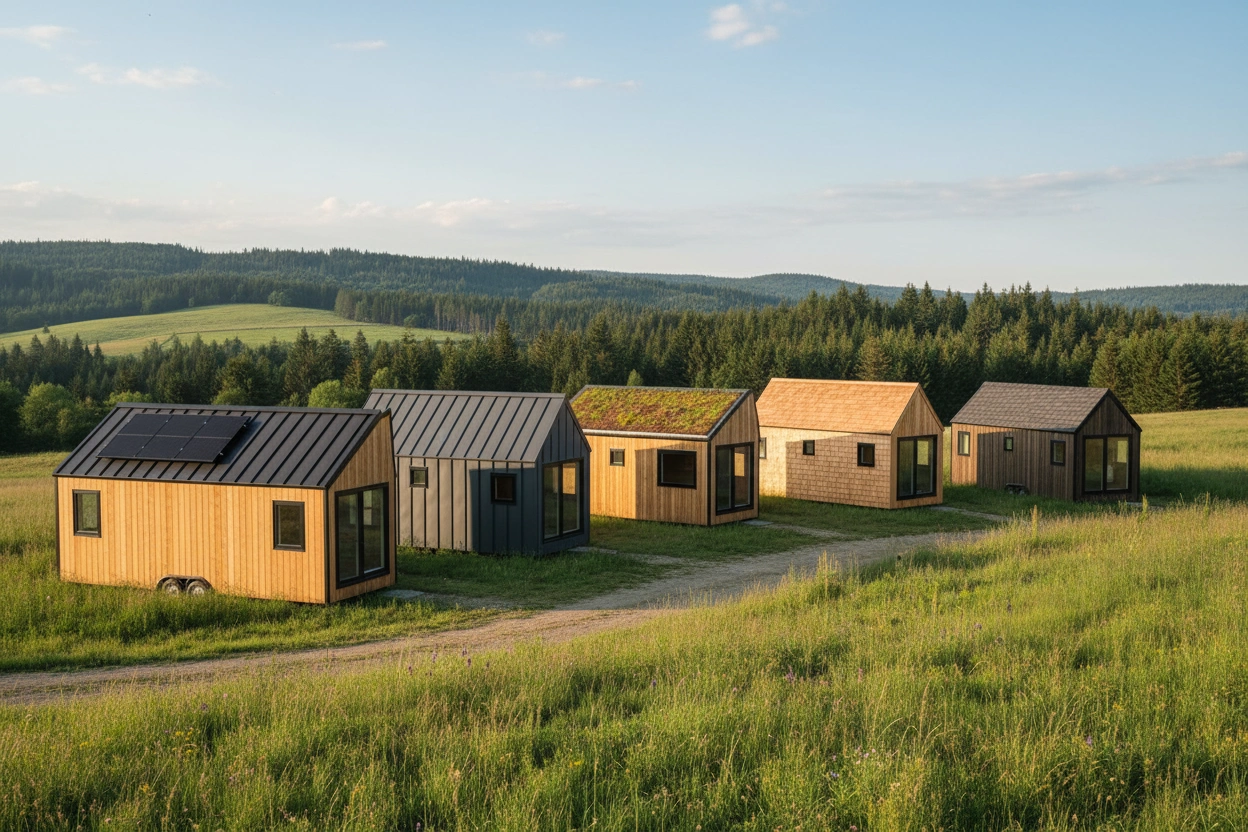
The tiny house movement has gained significant traction in recent years, appealing to those seeking a minimalist lifestyle, affordability, and flexibility. One of the essential elements of tiny house construction is the roof. The type of roofing material you choose can impact not only the aesthetics of your tiny home but also its durability, insulation, and overall energy efficiency. In this article, we will cover the top five tiny house roofing types that align with modern designs, helping you make an informed decision for your tiny abode.
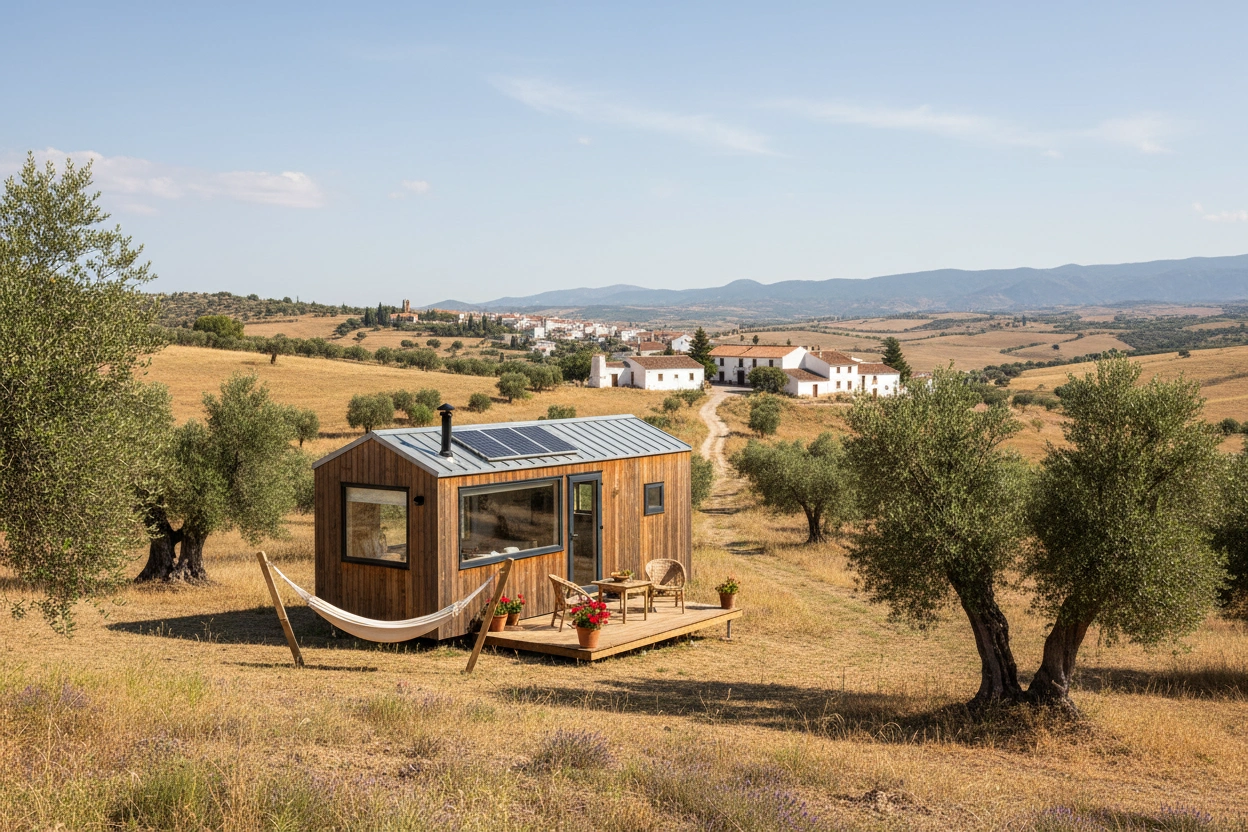
1. Metal Roofing: A Durable and Lightweight Option
Metal roofing is increasingly popular among tiny house owners due to its longevity and lightweight nature. Typically made from steel or aluminum, metal roofs can withstand harsh weather conditions, making them ideal for various climates. The average lifespan of a metal roof can exceed 50 years, providing excellent value over time.
In addition to durability, metal roofing is also energy-efficient. Many metal roofing systems come with reflective coatings that can help reduce heat absorption, keeping your tiny home cooler in the summer months. This can lead to lower energy bills and a more comfortable living environment. Moreover, metal roofs can be recycled at the end of their life cycle, making them an environmentally friendly option.
Considerations when choosing metal roofing include the type of finish and color. Galvanized steel and aluminum can be painted to match your tiny house’s aesthetic, while standing seam roofs offer a sleek, modern look. Additionally, ensure proper insulation beneath the metal to prevent condensation and heat loss.
2. Asphalt Shingles: A Cost-Effective and Versatile Choice
Asphalt shingles are one of the most common roofing materials in the United States, thanks to their affordability and versatility. They are available in a variety of colors and styles, allowing you to customize the appearance of your tiny home easily. Asphalt shingles are relatively easy to install, making them a popular choice for DIY enthusiasts.
In terms of durability, asphalt shingles have a lifespan of about 20 to 30 years, depending on the quality and type. Architectural shingles, which are thicker and more durable than traditional three-tab shingles, can provide additional protection against the elements. They also offer better aesthetics, with a dimensional appearance that can enhance the overall design of your tiny house.
However, asphalt shingles may not be the best option for areas with extreme weather conditions, such as heavy snowfall or high winds. If you live in such areas, consider reinforcing the shingles with additional fasteners or opting for a different roofing material altogether.
3. Green Roofs: A Sustainable and Aesthetic Approach
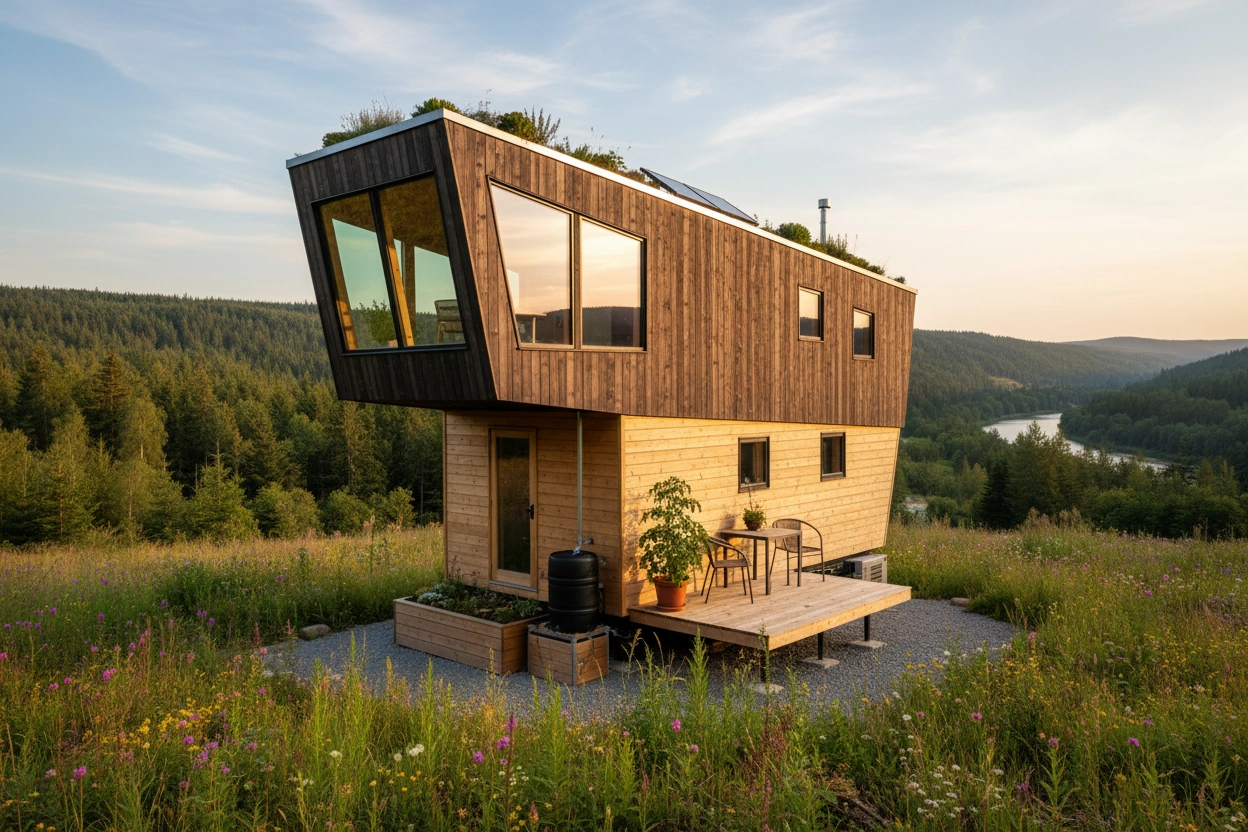
Green roofs, also known as living roofs, are an innovative and environmentally friendly roofing option for tiny houses. This type of roofing involves planting vegetation on the roof surface, creating a natural habitat that can improve air quality and reduce heat absorption. Green roofs can also help manage stormwater runoff, making them a sustainable choice for eco-conscious homeowners.
In addition to their environmental benefits, green roofs offer aesthetic appeal, allowing homeowners to incorporate nature into their living spaces. They can provide insulation, reducing heating and cooling costs, and can even extend the life of the roof itself by protecting the underlying materials from UV exposure and temperature fluctuations.
However, installing a green roof requires careful planning and consideration. The roof structure must be able to support the additional weight of the soil and plants, and proper drainage systems are necessary to prevent water accumulation. Regular maintenance is also required to ensure the health of the vegetation and the integrity of the roof.
4. Wood Shakes and Shingles: A Rustic and Timeless Look
Wood shakes and shingles offer a classic and rustic appearance that appeals to many tiny house enthusiasts. Made from natural materials like cedar, redwood, or pine, wood roofing can create a warm and inviting atmosphere. When properly maintained, wood roofs can last 30 years or more, making them a worthwhile investment for homeowners who appreciate their aesthetic.
One of the main advantages of wood roofing is its natural insulating properties. Wood acts as a thermal insulator, helping to keep your tiny home warm in the winter and cool in the summer. Additionally, wood shakes and shingles can be treated to enhance their durability and resistance to fire, rot, and pests.
However, wood roofing does come with some drawbacks. It requires regular maintenance, including inspections and treatments to prevent decay and insect damage. Homeowners should also consider their local climate, as wood roofing may not be suitable for areas with high humidity or heavy rainfall. maintain your tiny house roofing does come with some drawbacks.
5. Synthetic Roofing Materials: Innovation Meets Functionality
Synthetic roofing materials have emerged as a popular alternative to traditional roofing options. Made from a combination of plastics, rubber, and other materials, synthetic roofs can mimic the appearance of wood, slate, or tile while offering enhanced durability and lower maintenance requirements. These roofs are often lightweight, making them suitable for tiny houses.
One of the primary benefits of synthetic roofing is its resistance to harsh weather conditions, including wind, hail, and UV exposure. Many synthetic roofing products come with warranties of 50 years or more, providing peace of mind for homeowners. Additionally, synthetic materials are often designed to be energy-efficient, helping to keep heating and cooling costs down.
While synthetic roofing can be more expensive upfront compared to traditional materials, the long-term savings on maintenance and energy bills can make it a cost-effective choice. Homeowners should carefully research different synthetic options to find a style and color that complements their tiny home’s design. affordable tiny house roofing can be more expensive upfront compared to traditional materials.
The Future of Tiny House Roofing with TinyHouse.com
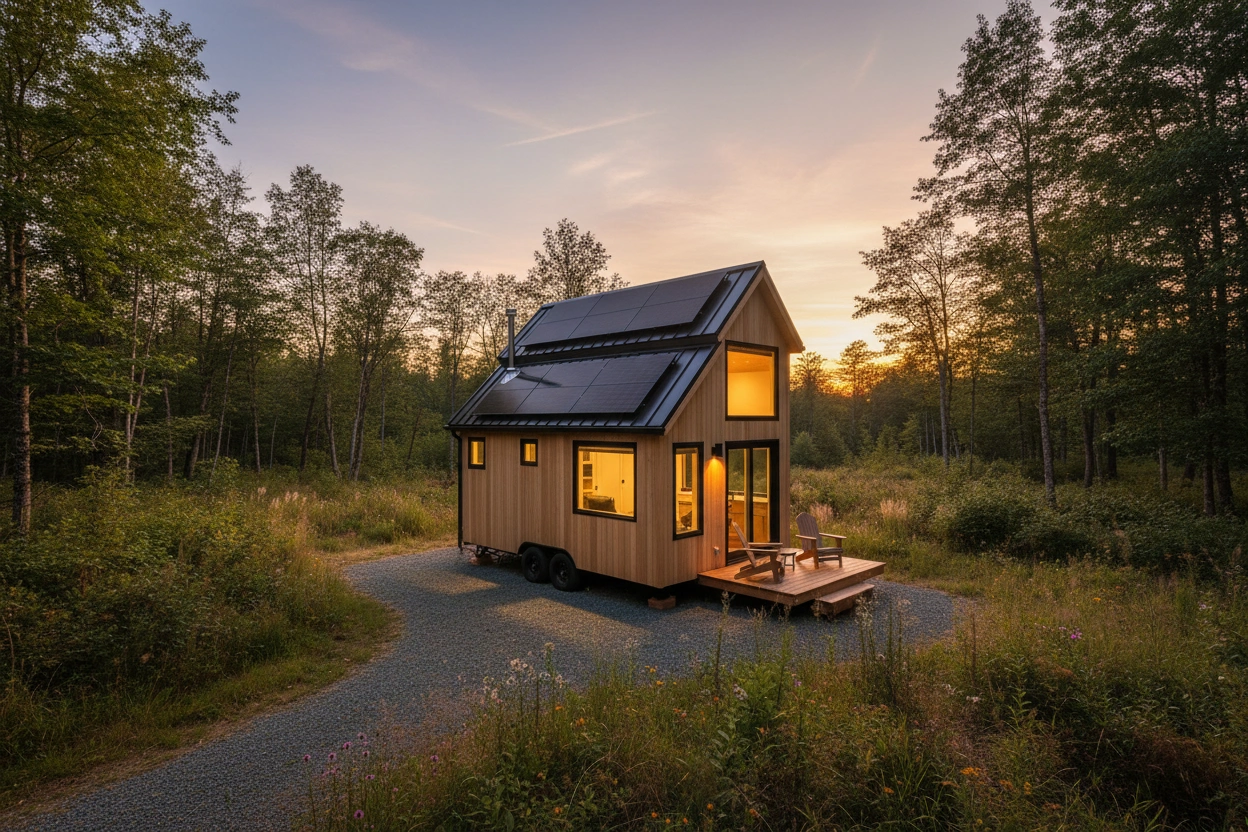
Selecting the right roofing material is a significant decision when building or renovating a tiny house. Each of the roofing types discussed—metal, asphalt shingles, green roofs, wood shakes, and synthetic materials—offers unique benefits and challenges. Understanding these factors can help you align your roofing choice with your design preferences, climate considerations, and budget.
As the tiny house movement continues to evolve, the options for tiny house roofing are becoming more diverse and innovative. For anyone interested in exploring these roofing types or seeking guidance on tiny house construction, TinyHouse.com is an invaluable resource. DIY tiny house roofing installation can provide you with the insights and support you need. Visit TinyHouse.com to learn more about how to effectively implement your roofing plans and create the tiny home of your dreams.


.svg)
.jpg)