Eco-Friendly Tiny House Roofing Solutions for Sustainable Living

The tiny house movement has gained significant traction over the past few years, appealing to those seeking minimalism, sustainability, and affordability. One critical aspect of building a tiny home is the roofing system, as it plays a pivotal role in energy efficiency, durability, and overall aesthetic appeal. With increasing awareness of environmental issues, many tiny house builders are now looking for eco-friendly roofing solutions that align with their values. This article will provide an in-depth look at tiny house roofing options, focusing on the best roofing materials for tiny houses, their pros and cons, and how to make informed decisions for sustainable living.
Understanding Tiny House Roofing
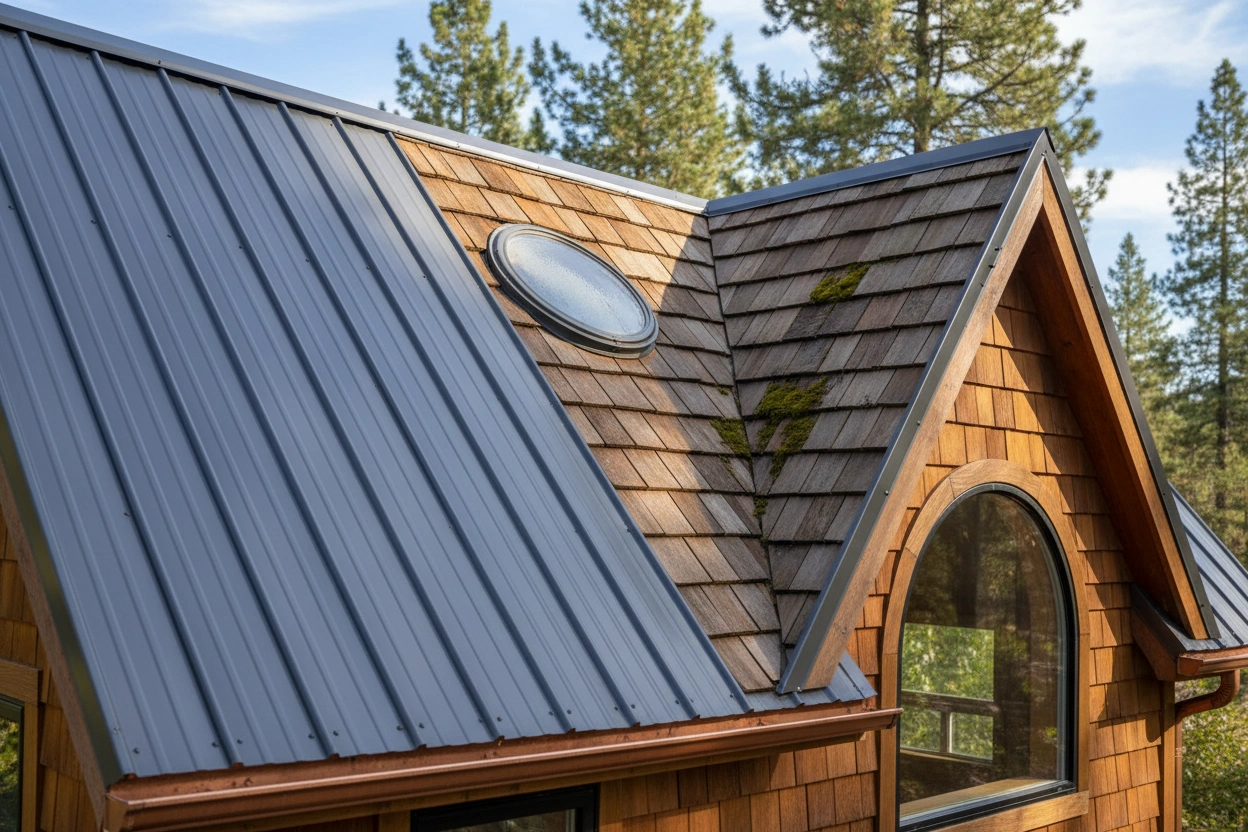
Tiny house roofing involves more than simply choosing a material; it encompasses understanding the specific needs and challenges associated with compact living. The roof must not only protect the home from the elements but also contribute to energy efficiency and aesthetic value. Given the limited space and weight restrictions of tiny homes, selecting the right roofing material is essential for both functionality and style.
When considering tiny house roofing, it is important to evaluate factors such as climate, weight, cost, and environmental impact. Each roofing material has distinct characteristics that can affect its performance in various weather conditions. Additionally, the design of the tiny house, including its slope and shape, can influence the choice of roofing materials. Below, we will explore the top roofing materials for tiny houses, along with their advantages and disadvantages.
Top Roofing Materials for Tiny Houses

1. Metal Roofing
Metal roofing is a popular choice for tiny houses due to its durability and lightweight nature. Common metals used include steel, aluminum, and copper.
Pros:
- Longevity: Metal roofs can last 40-70 years, making them a long-term investment.
- Energy Efficiency: Reflective metal surfaces can help keep homes cooler in warm climates.
- Low Maintenance: Metal roofs require minimal upkeep compared to other materials.
Cons:
- Cost: Initial installation can be higher than other materials.
- Noise: Rain and hail can create noise, which may be bothersome in a small space.
- Denting: Some softer metals, like aluminum, can be prone to denting.
2. Asphalt Shingles
Asphalt shingles are one of the most common roofing materials in the United States and can be an affordable option for tiny homes.
Pros:
- Affordability: Asphalt shingles are generally less expensive than metal or tile options.
- Variety: They come in a wide range of colors and styles, allowing for customization.
- Ease of Installation: They are relatively simple to install, making them a popular choice for DIY projects.
Cons:
- Shorter Lifespan: Asphalt shingles typically last 15-30 years.
- Environmental Impact: Many asphalt shingles are made from petroleum products, which raises sustainability concerns.
- Weight: They can add significant weight to the roof structure.
3. Green Roofs
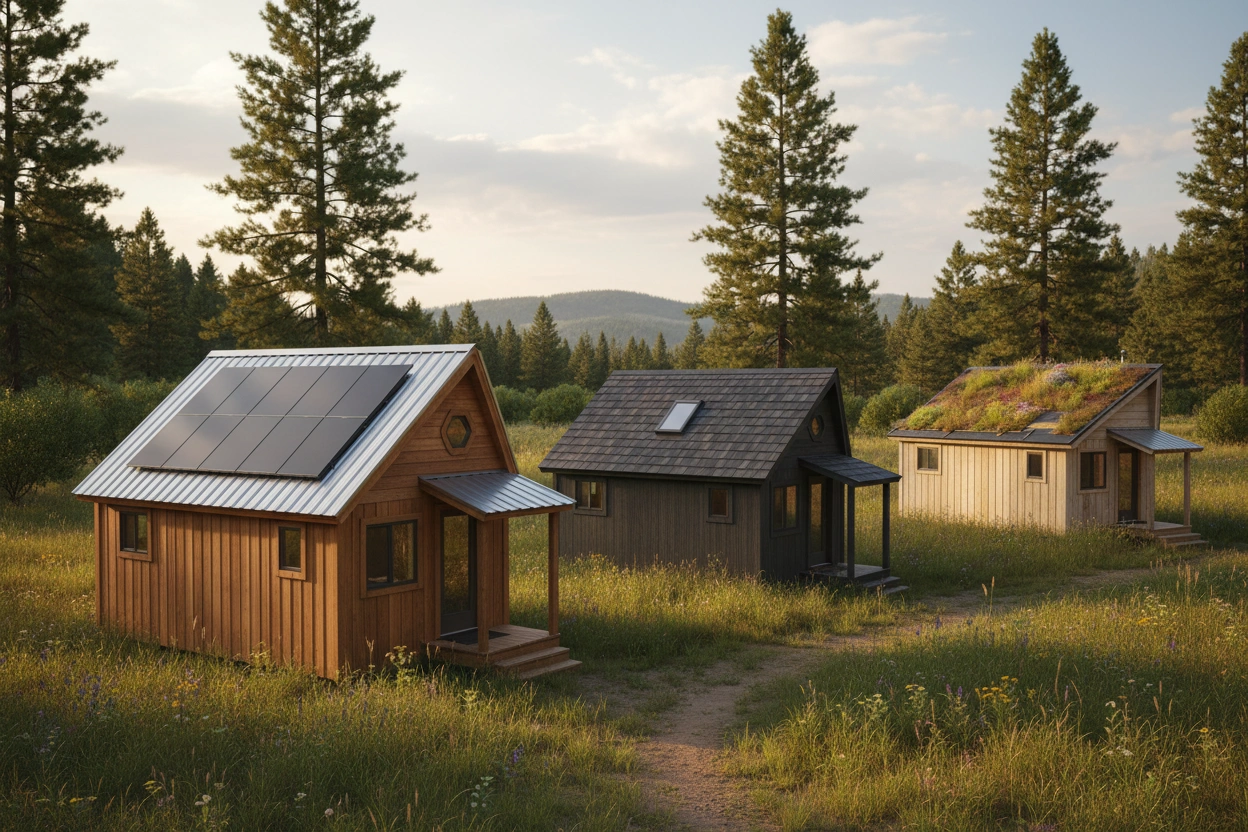
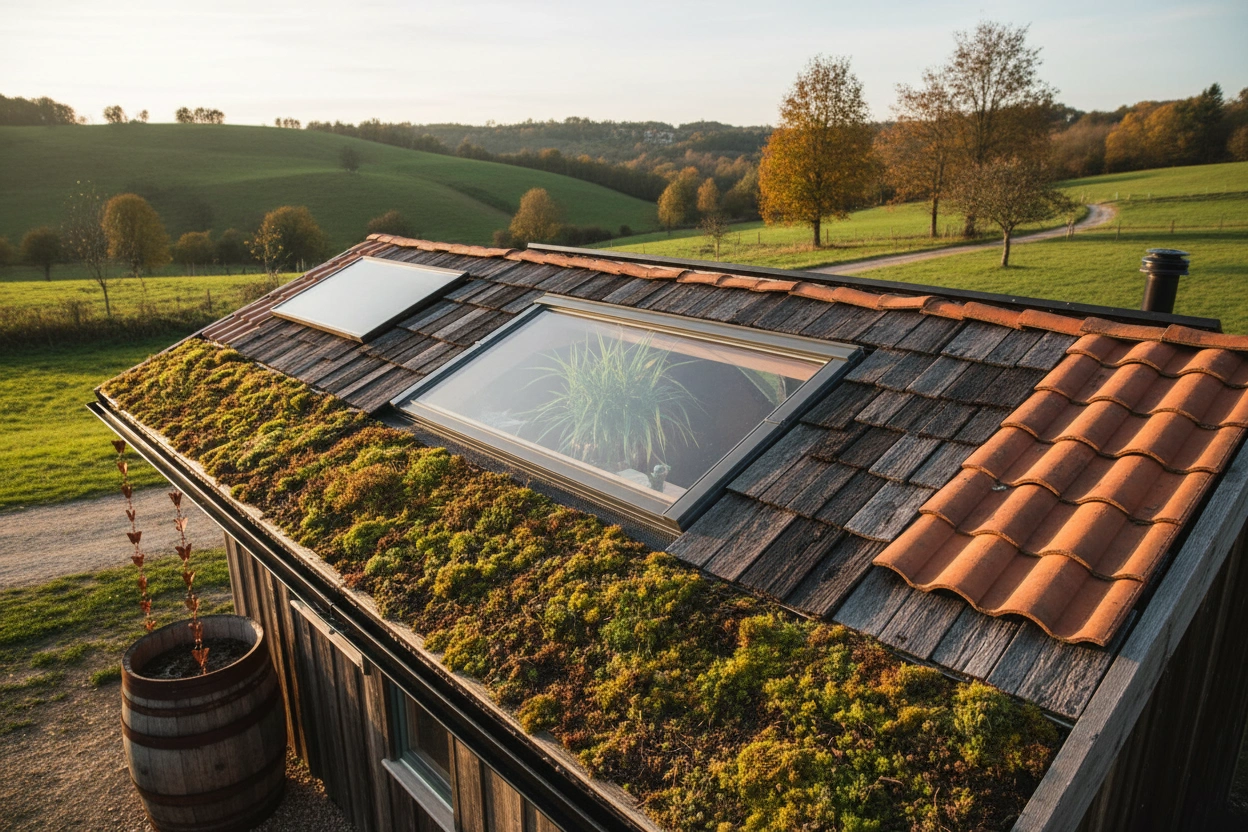
Green roofs, also known as living roofs, involve planting vegetation on the roof surface. This option is ideal for those who want to enhance biodiversity and improve insulation.
Pros:
- Environmental Benefits: Green roofs can improve air quality and reduce heat absorption.
- Aesthetic Appeal: They provide a unique, natural look and can blend seamlessly with the environment.
- Insulation: They offer excellent thermal insulation, reducing heating and cooling costs.
Cons:
- Maintenance: Green roofs require ongoing care, including watering and weeding.
- Weight Considerations: The added weight of soil and plants requires careful structural planning.
- Cost: Installation can be significantly more expensive than traditional roofing options.
4. Tile Roofing
Tile roofing, whether made from clay or concrete, offers a unique aesthetic and excellent durability.
Pros:
- Longevity: Tile roofs can last over 50 years with proper maintenance.
- Fire Resistance: Tiles are non-combustible, providing an added layer of safety.
- Energy Efficiency: They can help keep homes cool due to their reflective properties.
Cons:
- Weight: Tile roofing is heavy and may require additional structural support.
- Cost: The initial installation is often higher than other roofing materials.
- Fragility: Tiles can be prone to cracking if not handled carefully.
5. Rubber Roofing
Rubber roofing is made from recycled materials, making it a sustainable choice for tiny houses.
Pros:
- Eco-Friendly: Made from recycled tires, rubber roofing helps reduce waste.
- Durability: Rubber roofs can last 30-50 years with proper maintenance.
- Seamless Installation: They can be installed as a single sheet, reducing the risk of leaks.
Cons:
- Cost: While generally less expensive than tile, rubber roofing can still be pricier than asphalt.
- Heat Sensitivity: Rubber can degrade if exposed to extreme heat for prolonged periods.
- Limited Aesthetic Options: The appearance may not appeal to everyone.
Choosing the Best Roofing Material for Your Tiny House

When selecting the best roofing material for your tiny house, consider the following factors:
Climate Considerations
Your local climate plays a significant role in determining the best roofing material. For example, areas with heavy snowfall may require a roof with a steep slope and durable materials, while those in warmer climates might benefit from reflective surfaces to reduce heat absorption.
Weight Restrictions
Given the limited structure of tiny houses, it is essential to choose roofing materials that do not exceed weight limits. Metal roofing and rubber roofing often present lighter options compared to tile or asphalt shingles.
Budget
Evaluate your budget not only for the initial installation but also for long-term maintenance costs. While some materials may have a higher upfront cost, their durability can lead to savings over time.
Aesthetic Preferences
The appearance of your tiny house is important, as it reflects your personal style. Explore different materials to find one that complements your home's design while also meeting functional needs.
Common Mistakes in Tiny House Roofing
When it comes to tiny house roofing, several common pitfalls can lead to costly mistakes. Awareness of these can help you avoid issues that may arise during installation or over the lifespan of the roof.
1. Underestimating Roof Pitch
Many tiny house builders overlook the importance of roof pitch, which can affect drainage and snow accumulation. A steeper pitch may be necessary in snowy regions to prevent excessive weight and potential collapse.
2. Ignoring Local Building Codes
Each locality has specific building codes and regulations regarding roofing materials and installation methods. Failing to adhere to these can lead to fines or the need for costly modifications.
3. Skipping Proper Insulation
Insulation is key to energy efficiency. Neglecting this aspect can result in higher energy bills and an uncomfortable living environment. Ensure that roofing materials are compatible with insulation methods.
Sustainable Practices in Tiny House Roofing
Incorporating sustainability into your tiny house roofing project goes beyond just material choice. Here are some practices to consider:
1. Use Recycled Materials
Opt for roofing materials made from recycled content. Rubber roofing and certain types of metal roofing often use recycled materials, contributing to sustainability.
2. Incorporate Solar Panels
If feasible, consider integrating solar panels into your roofing system. This not only provides renewable energy but can also reduce your reliance on traditional energy sources.
3. Plan for Rainwater Harvesting
Design your roofing system to facilitate rainwater harvesting. This practice can help conserve water and reduce your environmental footprint.
The Future of Tiny House Roofing Solutions
As the tiny house movement continues to grow, innovative roofing solutions are emerging. Advances in technology and materials are paving the way for more sustainable, efficient, and aesthetically pleasing options. Builders and homeowners alike are increasingly prioritizing eco-friendly materials that align with their values, setting the stage for a more sustainable future in tiny house living.
Eco-Friendly Tiny House Roofing Solutions: A Path Forward
Tiny house roofing is an essential element of creating a sustainable living environment. By carefully considering the various materials available and their pros and cons, you can make informed choices that not only protect your home but also contribute to a greener planet.
Incorporating eco-friendly practices into your roofing project enhances the sustainability of your tiny home while providing long-lasting benefits. For those embarking on the tiny house journey, staying informed about the latest trends and solutions in roofing can lead to more satisfying and sustainable living experiences.
To learn more about tiny house roofing solutions and to explore resources tailored to your needs, visit TinyHouse.com. Whether you are just starting your tiny house journey or looking to enhance your existing home, TinyHouse.com can provide the guidance and support you need.


.svg)