
How to Install Tiny House Roofing: Step-by-Step Tips


When it comes to building or renovating a tiny house, the roof is one of the most critical components. Proper installation of tiny house roofing not only protects your home from the elements but also contributes to its aesthetic appeal and energy efficiency. Given the unique challenges presented by tiny homes, understanding the best practices and materials is essential for ensuring a durable and effective roofing system. This article provides a detailed guide to installing roofing on your tiny house, including step-by-step instructions and insights into the best roofing materials for tiny houses.
Understanding Tiny House Roofing
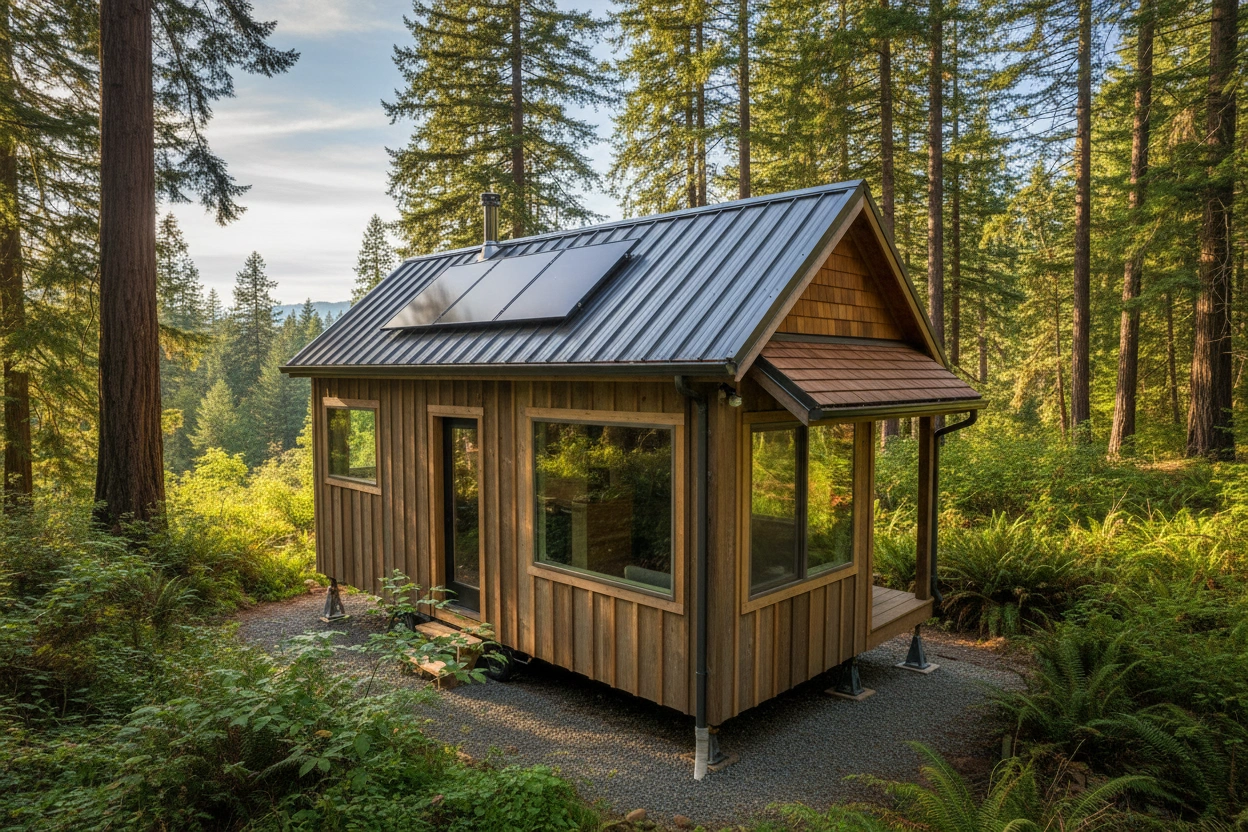
Tiny house roofing differs significantly from traditional home roofing due to the smaller size and different structural considerations. The weight of roofing materials, the pitch of the roof, and the climate where the tiny house is located all play a crucial role in determining the best roofing type. Additionally, many tiny house builders prioritize sustainability and energy efficiency, which can influence material choice and installation methods.
Common Misconceptions About Tiny House Roofing
Before diving into the installation process, it's important to address some common misconceptions about tiny house roofing:
All roofs are the same: Many believe that the roofing techniques used for larger homes apply to tiny houses. However, tiny houses often have unique structural designs and weight limitations that require specialized approaches.
Cost is the only factor: While budget is important, the longevity and performance of roofing materials should be prioritized over initial costs. Investing in quality materials can save money in the long run by reducing maintenance and replacement needs.
DIY roofing is always feasible: Although many tiny house enthusiasts are inclined to undertake DIY projects, roofing requires specific skills and knowledge. Assess your capabilities and consider hiring professionals for complex installations.
Top 5 Roofing Types for Tiny Homes
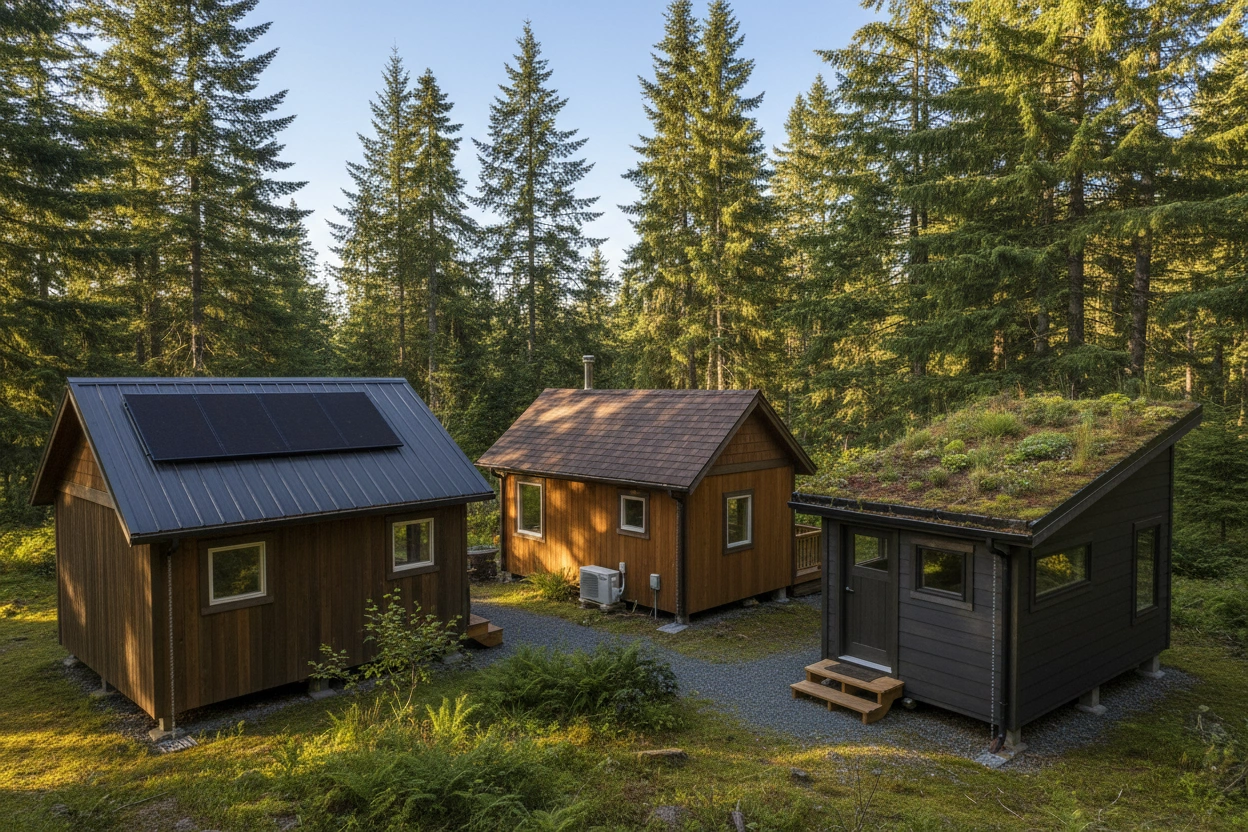
Selecting the right roofing type for a tiny house involves balancing aesthetics, functionality, and cost. Here are five popular roofing options to consider:
Metal Roofing
- Metal roofing is a popular choice for tiny houses due to its durability and lightweight nature. It can withstand harsh weather conditions and is often made from recycled materials, making it an eco-friendly option. Metal roofs can also be painted in various colors, allowing homeowners to customize their appearance.
Asphalt Shingles
- Asphalt shingles are one of the most common roofing materials used in residential construction. They are affordable and relatively easy to install. While they may not last as long as metal options, advancements in technology have improved their durability, making them a viable choice for tiny homes.
Wood Shakes
- For those seeking a rustic aesthetic, wood shakes provide a unique and natural look. However, they require more maintenance and are less fire-resistant than other materials. Proper treatment and regular upkeep are necessary to ensure their longevity.
EPDM Rubber Roofing
- Ethylene Propylene Diene Monomer (EPDM) is a synthetic rubber roofing membrane that is popular for flat roofs. It is lightweight, easy to install, and provides excellent waterproofing capabilities. EPDM is particularly suitable for tiny houses with a flat or low-slope roof design.
Green Roofs
- Green roofs, or living roofs, are becoming increasingly popular among tiny house owners who prioritize sustainability. These roofs support plant growth and can improve insulation, reduce heat absorption, and manage stormwater runoff. However, they require careful planning and structural support to handle the added weight.
Step-by-Step Installation Process for Tiny House Roofing
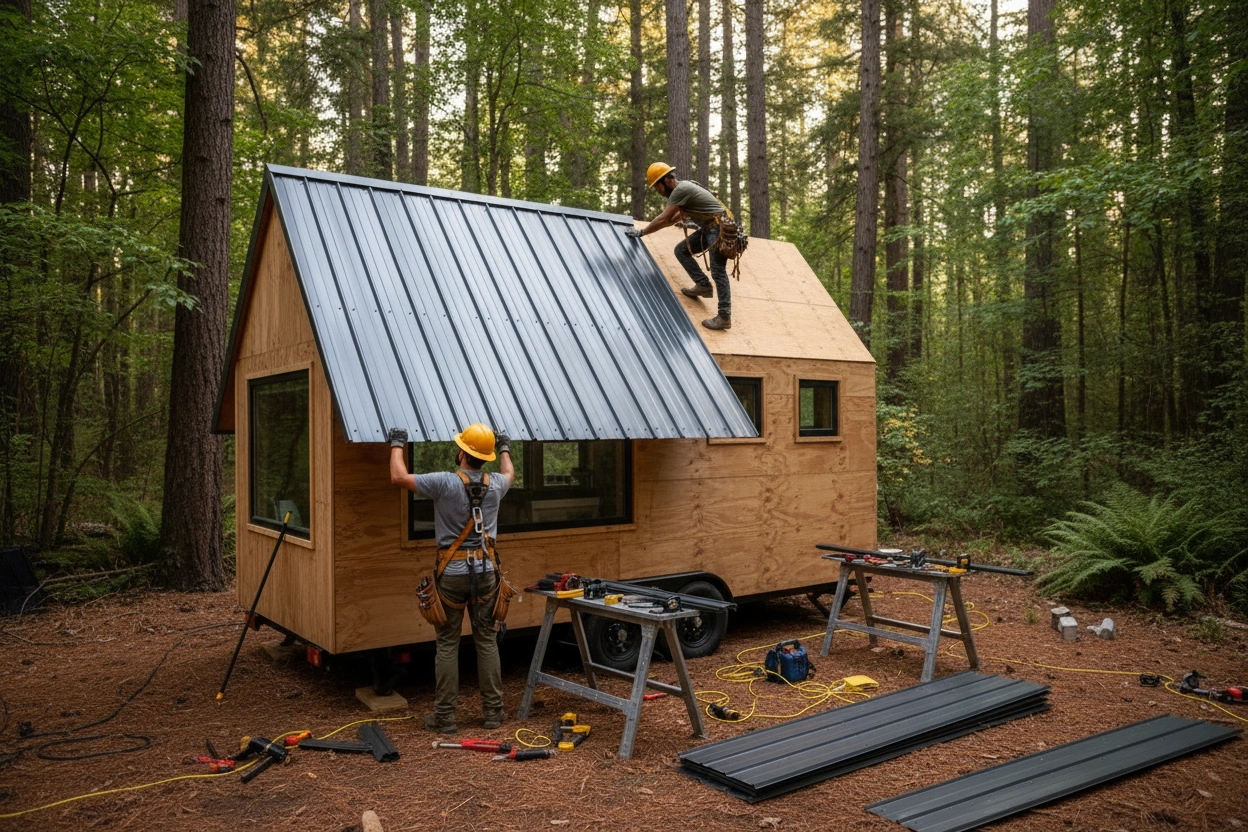
Installing tiny house roofing is a multifaceted process that requires careful planning and execution. Follow these essential steps:
Gather Necessary Materials
- Before starting, ensure you have all the necessary materials and tools. Common items include roofing materials (e.g., metal sheets, shingles), underlayment, flashing, nails or screws, and safety gear.
Prepare the Roof Structure
- Inspect the roof structure for any signs of damage or decay. Reinforce any weak areas and ensure that the framing can support the chosen roofing material. If necessary, add additional support beams.
Install Underlayment
- Lay down a waterproof underlayment to protect the roof from moisture. This layer will act as a barrier between the roofing material and the wooden structure of the house.
Apply the Roofing Material
- Depending on the chosen roofing type, the installation process will vary:
- For metal roofing, align the panels carefully and secure them with screws, ensuring proper overlap to prevent leaks.
- For asphalt shingles, begin at the bottom edge and work your way up, overlapping each row as you go.
- For wood shakes, nail each shake in place, starting from the bottom and working up.
- For EPDM, roll out the membrane and adhere it according to the manufacturer's instructions, ensuring a tight seal at the edges.
- For green roofs, install a drainage layer and soil before planting vegetation.
Install Flashing and Trim
- Properly install flashing around chimneys, vents, and edges to prevent water intrusion. Finish with trim pieces to give the roof a polished look.
Conduct Final Inspections
- After installation, inspect the roof for any potential issues. Ensure that all seams are sealed, and there are no exposed nails or screws.
Common Mistakes and How to Avoid Them
Even seasoned builders can make mistakes during roofing installation. Here are some common pitfalls and tips to avoid them:
Neglecting Local Building Codes: Always check local building codes and regulations before starting your roofing project. Different areas may have specific requirements regarding materials and construction methods.
Ignoring Weather Conditions: Installing roofing during inclement weather can lead to mistakes. Always choose a dry day with mild temperatures for installation to ensure optimal adhesion and sealing.
Overlooking Ventilation Needs: Proper ventilation is essential to prevent moisture buildup in the attic space, which can lead to mold and structural issues. Ensure that your roofing design allows for adequate airflow.
Underestimating Material Needs: Accurate measurement is crucial to avoid running out of materials mid-project. Calculate the square footage of your roof and account for waste when ordering supplies.
Benefits of Proper Tiny House Roofing Installation
Investing time and resources into proper tiny house roofing installation offers several benefits:
Increased Longevity: A well-installed roof can last for decades, reducing the need for frequent repairs or replacements.
Improved Energy Efficiency: Proper insulation and roofing materials can enhance energy efficiency, leading to lower heating and cooling costs.
Enhanced Aesthetic Appeal: A thoughtfully designed roof can significantly improve the overall appearance of your tiny house, making it more appealing and potentially increasing its resale value.
Protection Against the Elements: A sturdy roof protects against rain, snow, and wind, ensuring the longevity of the entire structure.
The Importance of Research and Planning
Before embarking on your tiny house roofing project, thorough research and planning are essential. Understanding the materials, tools, and techniques involved will save time and reduce frustration during installation. Utilize resources available online, including roofing guides and tutorials, to familiarize yourself with best practices and innovative approaches to tiny house roofing.
Getting Started with Tiny House Roofing
When it comes to installing tiny house roofing, the right approach can make all the difference. Whether you're opting for a classic metal roof or a sustainable green roof, understanding the materials and techniques is vital for success. For further resources, tips, and products tailored to your tiny house needs, visit TinyHouse.com.
Elevate Your Tiny Home Experience
The installation of tiny house roofing is a significant step in creating a comfortable and functional living space. By selecting the right materials and following a meticulous installation process, you can ensure your tiny home remains safe and stylish for years to come. If you're looking for additional guidance or products to support your tiny house journey, TinyHouse.com is a valuable resource.
Visit TinyHouse.com to learn more about tiny house roofing and other essential tiny home topics. Whether you're building, renovating, or simply gathering information, we are here to support your tiny house aspirations.


.svg)
.webp)

.jpg)