How to Insulate Your Tiny House Roof for Weather Protection

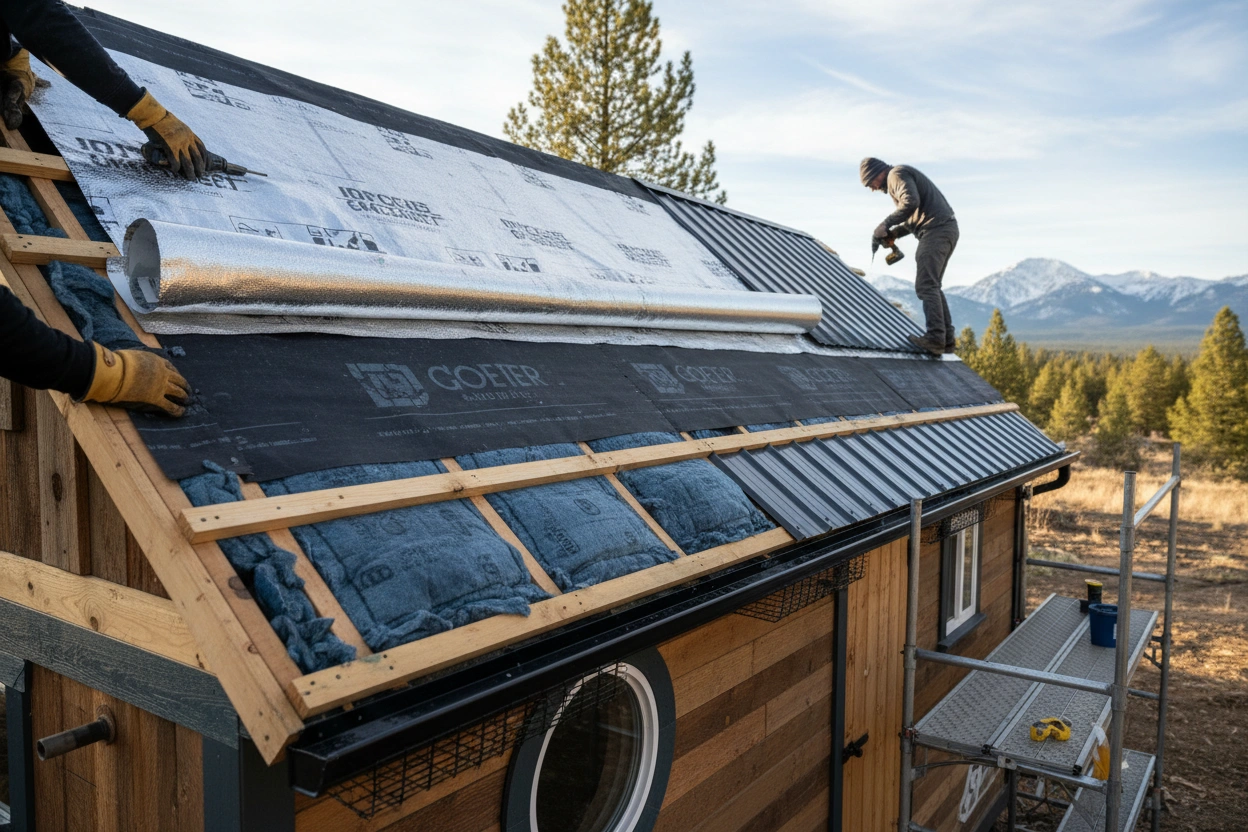
Insulating your tiny house roof is a crucial aspect of creating a comfortable and energy-efficient living environment. With the rise in popularity of tiny homes, understanding how to effectively insulating your tiny house roof can significantly impact your home's temperature regulation and overall comfort, especially during extreme weather conditions. In 2026, as climate challenges become more pronounced, ensuring your tiny house is prepared for varying weather conditions is essential. This article will explore the best roofing materials for tiny houses, their pros and cons, and provide actionable insights on how to insulate your tiny house roof effectively.
Understanding Tiny House Roofing

When it comes to tiny house roofing, several factors play a role in choosing the right materials and insulation methods. The roofing system must not only protect against rain and snow but also contribute to the overall energy efficiency of the home. A well-insulated roof can keep your tiny house warm in the winter and cool in the summer, which is essential for comfort and energy savings.
Importance of Roof Insulation
Proper insulation in a tiny house roof serves multiple purposes:
- Temperature Regulation: Insulation helps maintain a stable indoor temperature, reducing the need for heating and cooling systems. This is particularly important in a tiny home where space and energy resources are limited.
- Moisture Control: A well-insulated roof can prevent condensation from forming, which can lead to mold growth and structural damage over time.
- Energy Efficiency: By reducing the need for artificial heating and cooling, insulation can lower energy costs, making tiny house living more sustainable.
Top Roofing Materials for Tiny Houses: Pros and Cons

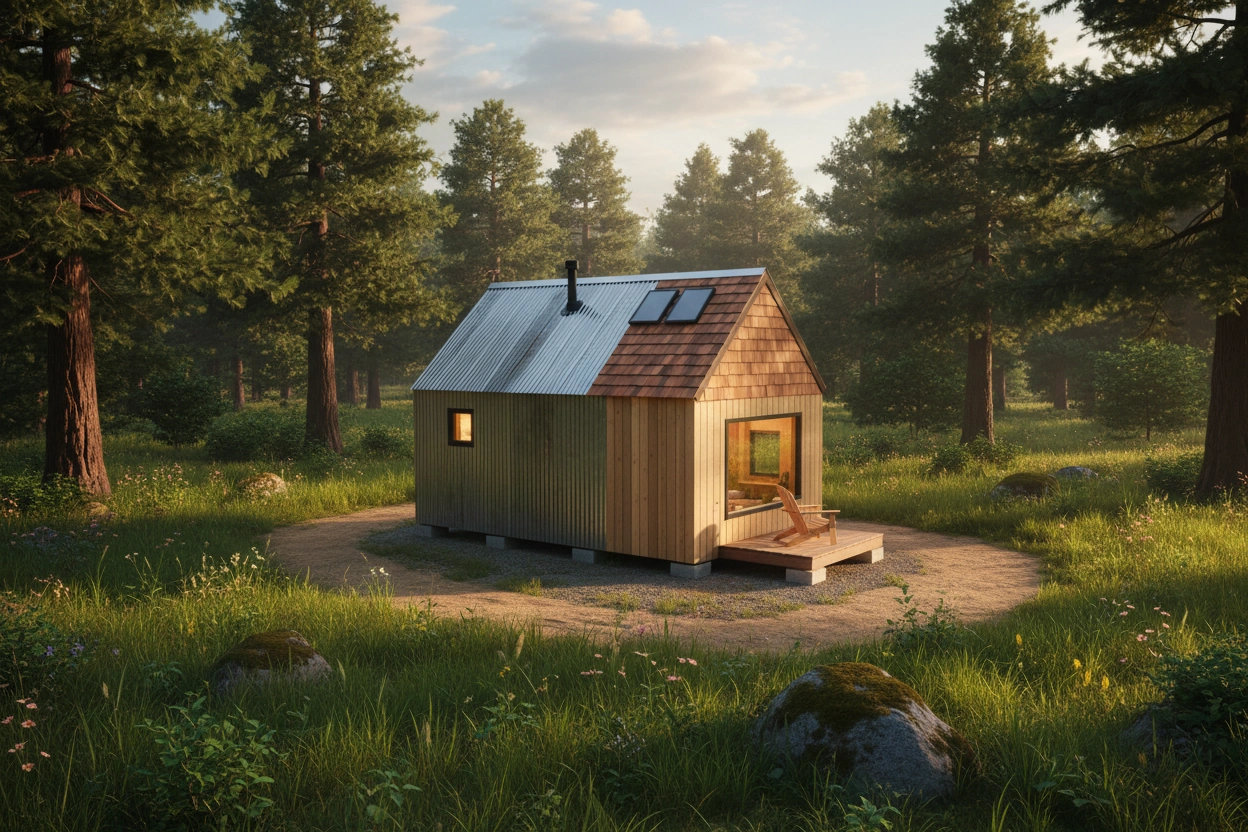
Choosing the right roofing material is essential for ensuring the longevity and efficiency of your tiny house. Here are some of the best roofing materials for tiny houses, along with their advantages and disadvantages.
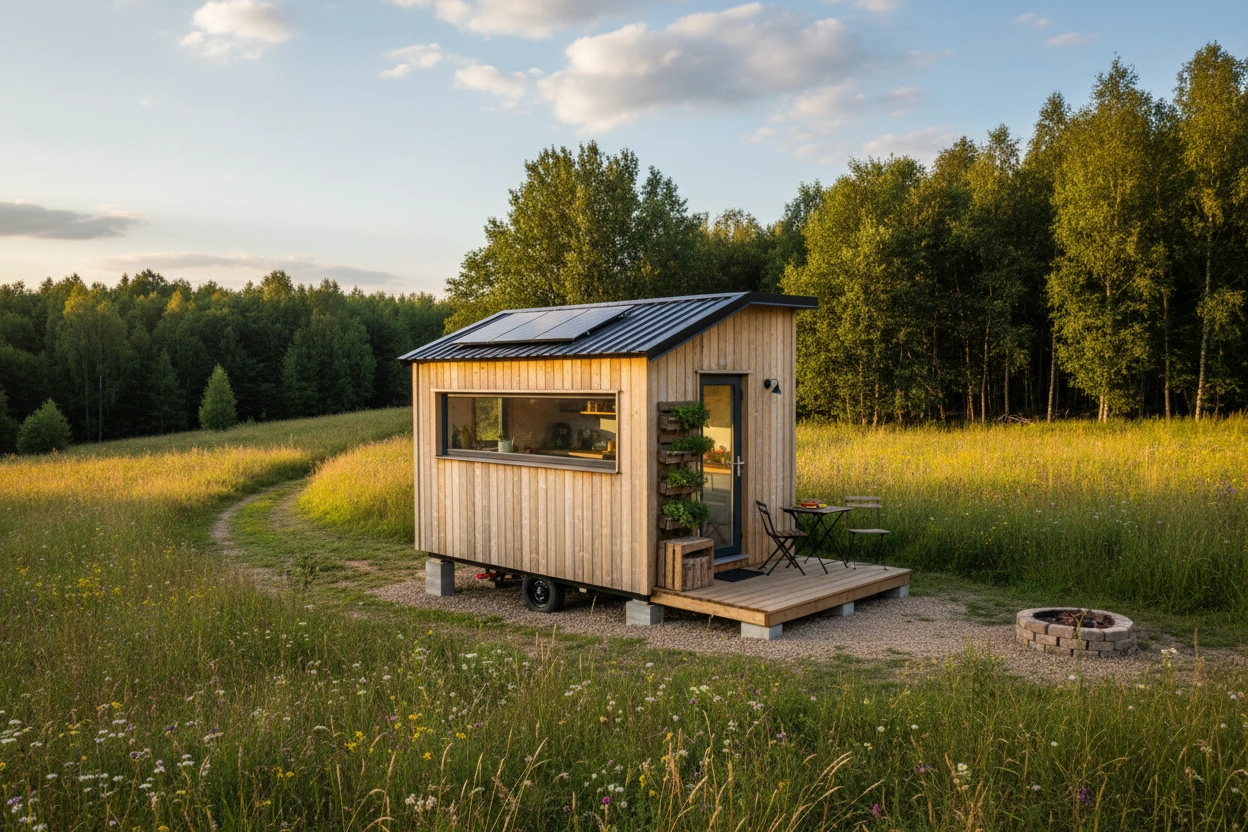
1. Metal Roofing
Metal roofing is a popular choice for tiny houses due to its durability and lightweight nature.
Pros:
- Long-lasting and resistant to harsh weather conditions.
- Reflects sunlight, which helps keep the interior cool.
- Low maintenance and can be recycled at the end of its life.
Cons:
- Higher initial cost compared to other materials.
- Can be noisy during rain or hail unless properly insulated.
2. Asphalt Shingles
Asphalt shingles are one of the most common roofing materials used in residential construction.
Pros:
- Affordable and widely available.
- Comes in various styles and colors, allowing for aesthetic flexibility.
- Easy to install for DIY enthusiasts.
Cons:
- Shorter lifespan compared to metal roofing, typically around 15-30 years.
- May not perform well in extreme weather conditions without additional reinforcement.
3. TPO (Thermoplastic Polyolefin)
TPO roofing is a single-ply roofing membrane that is gaining traction for tiny houses.
Pros:
- Excellent reflective properties, which can help reduce energy costs.
- Lightweight and flexible, making it easy to install on various roof shapes.
- Resistant to UV rays and chemical damage.
Cons:
- Less durable than metal roofing, with a lifespan of about 15-20 years.
- Installation requires expertise to ensure proper sealing and alignment.
4. EPDM (Ethylene Propylene Diene Monomer)
EPDM is a synthetic rubber roofing membrane often used for flat roofs.
Pros:
- Highly durable and resistant to weathering and UV exposure.
- Easy to install and repair, making it a good option for DIY projects.
- Can last up to 50 years with proper maintenance.
Cons:
- Limited aesthetic options compared to shingles or metal.
- Requires a solid insulation layer underneath to prevent heat loss.
5. Wood Shakes or Shingles
Wood roofing can provide a rustic aesthetic that many tiny house owners appreciate.
Pros:
- Attractive and can enhance the overall look of the tiny house.
- Good insulation properties when installed correctly.
Cons:
- Requires regular maintenance to prevent rot and insect damage.
- Not as durable as other materials, typically lasting 20-30 years.
How to Insulate Your Tiny House Roof

Proper insulation is key to maximizing the effectiveness of your chosen roofing material. Here are essential steps to effectively install your tiny house roof.
Selecting Insulation Materials
The type of insulation material you choose will depend on your roof type and climate. Here are common insulation options:
- Spray Foam Insulation: Offers excellent thermal resistance and fills gaps effectively.
- Fiberglass Batts: Affordable and easy to install, though it requires careful fitting to avoid gaps.
- Rigid Foam Boards: Provide high insulation value per inch and are effective for both sloped and flat roofs.
Installation Process
To insulate your tiny house roof, follow these steps:
- Assess Your Roof Type: Determine whether you have a sloped or flat roof, as this will influence your insulation choice.
- Gather Materials: Acquire your selected insulation materials, roofing materials, and necessary tools (e.g., saws, adhesive, safety gear).
- Prepare the Roof: Ensure the roof surface is clean and dry before installation.
- Install Insulation: If using rigid foam boards, cut them to fit snugly between rafters. For spray foam, apply evenly across the roof surface.
- Seal Gaps: Use caulk or expanding foam to seal any gaps around vents or edges to prevent air leaks.
- Install the Roofing Material: Follow the manufacturer’s guidelines for installing your chosen roofing material over the insulation.
Common Mistakes to Avoid
When insulating your tiny house roof, be mindful of these common mistakes:
- Ignoring Ventilation: Proper ventilation is necessary to prevent moisture buildup, which can lead to mold and structural damage.
- Overlooking R-value: Ensure the insulation you choose has an adequate R-value for your climate zone to ensure effective temperature regulation.
- Neglecting Air Sealing: Failing to seal gaps and cracks can significantly reduce the effectiveness of your insulation.
Maintaining Your Tiny House Roof
Regular maintenance is essential for prolonging the life of your tiny house roofing installation system and ensuring effective insulation. Here are some key maintenance tips:
- Inspect Regularly: Check your roof for signs of damage or wear, especially after severe weather.
- Clean Gutters and Drains: Ensure that gutters and drains are clear to prevent water pooling, which can damage both the roof and insulation.
- Reapply Sealants: If your roofing material requires sealants, reapply them as needed to maintain a watertight seal.
The Connection Between Roofing and Weather Protection
Understanding the importance of roofing insulation cannot be overstated, especially as weather patterns become increasingly unpredictable. A well-insulated tiny house roof not only protects against the elements but also contributes to the overall comfort and efficiency of your home.
Benefits of Proper Insulation
- Enhanced Comfort: A well-insulated roof ensures a stable indoor climate, providing comfort year-round.
- Lower Energy Bills: By reducing the need for heating and cooling, effective insulation can lead to significant savings on energy costs.
- Increased Property Value: A tiny house with a properly insulated roof is more appealing to potential buyers, increasing its market value.
Common Misconceptions About Tiny House Roofing
- All Tiny Houses Have the Same Roofing Needs: This is not true. Roofing needs can vary significantly based on location, climate, and the specific design of the tiny house.
- Insulation is Only Necessary in Cold Climates: Regardless of climate, proper insulation helps maintain comfort levels and energy efficiency.
Protecting Your Tiny House for the Future
The importance of insulating your tiny house roof for weather protection cannot be understated. As climate conditions change, ensuring that your home is equipped to handle the elements is vital. By choosing the right roofing materials and insulating effectively, you can enjoy a comfortable, energy-efficient tiny home for years to come. best tiny house roofing materials and insulating effectively, you can enjoy a comfortable, energy-efficient tiny home for years to come.
How TinyHouse.com Can Assist You
At TinyHouse.com, we understand the unique challenges and opportunities that come with tiny house living. Whether you're looking for guidance on roofing options or want to explore the best insulation materials, our resources can help you make informed decisions.
Visit TinyHouse.com to learn more about optimizing your tiny house for comfort and sustainability. Our expert insights and comprehensive guides will support you in every step of your tiny house journey. Whether you are building, buying, or renovating, TinyHouse.com is here to assist you in creating the perfect tiny living space.


.svg)