Top 5 Tiny House Roof Types: Designs, Benefits, and Drawbacks

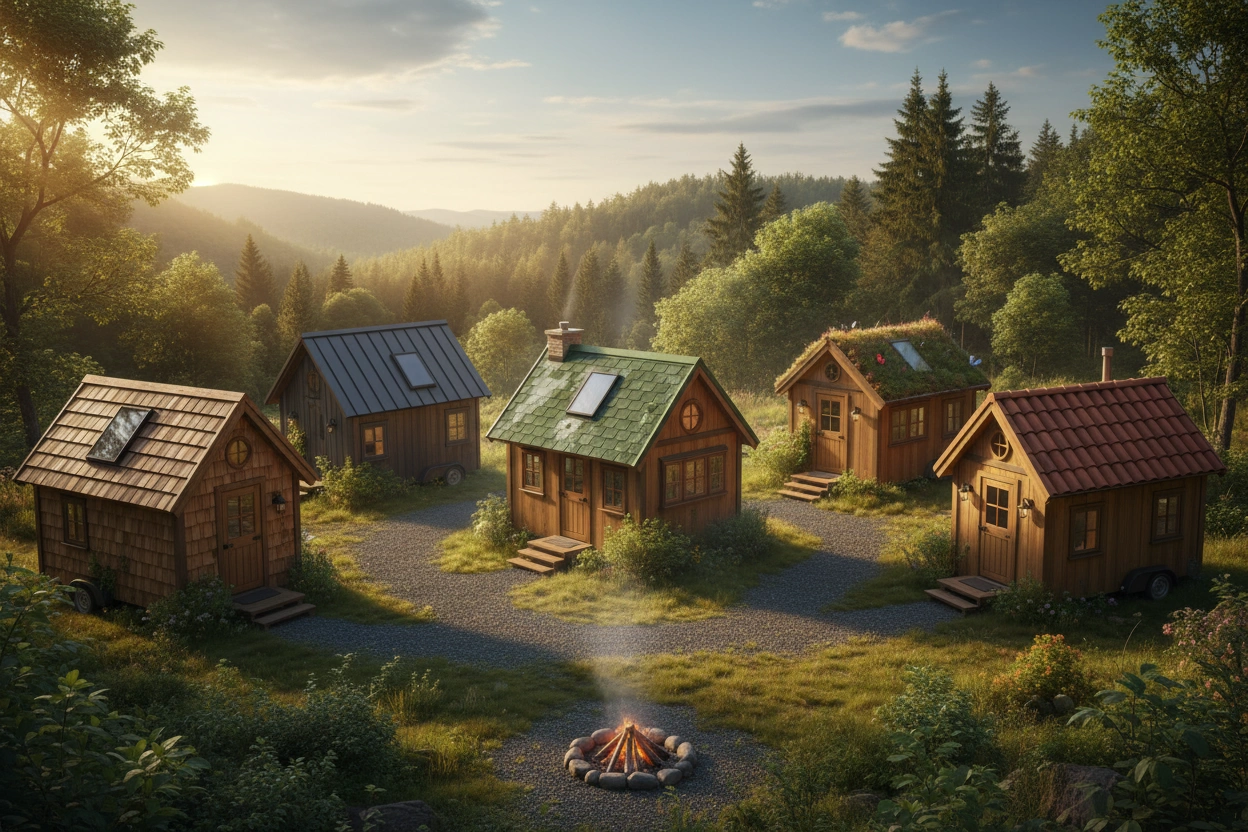
The growing trend of tiny living has led many to consider the essential elements that contribute to a well-designed tiny house. Among these elements, the roof plays a critical role not just in aesthetics but also in functionality, energy efficiency, and durability. Choosing the right roofing type for a tiny home can significantly impact its overall performance and longevity. In this article, we will explore the top five tiny house roofing types, providing insights into their designs, benefits, and drawbacks. This information will help aspiring tiny homeowners make informed decisions when selecting the best roofing materials for their unique needs.
1. Gable Roof
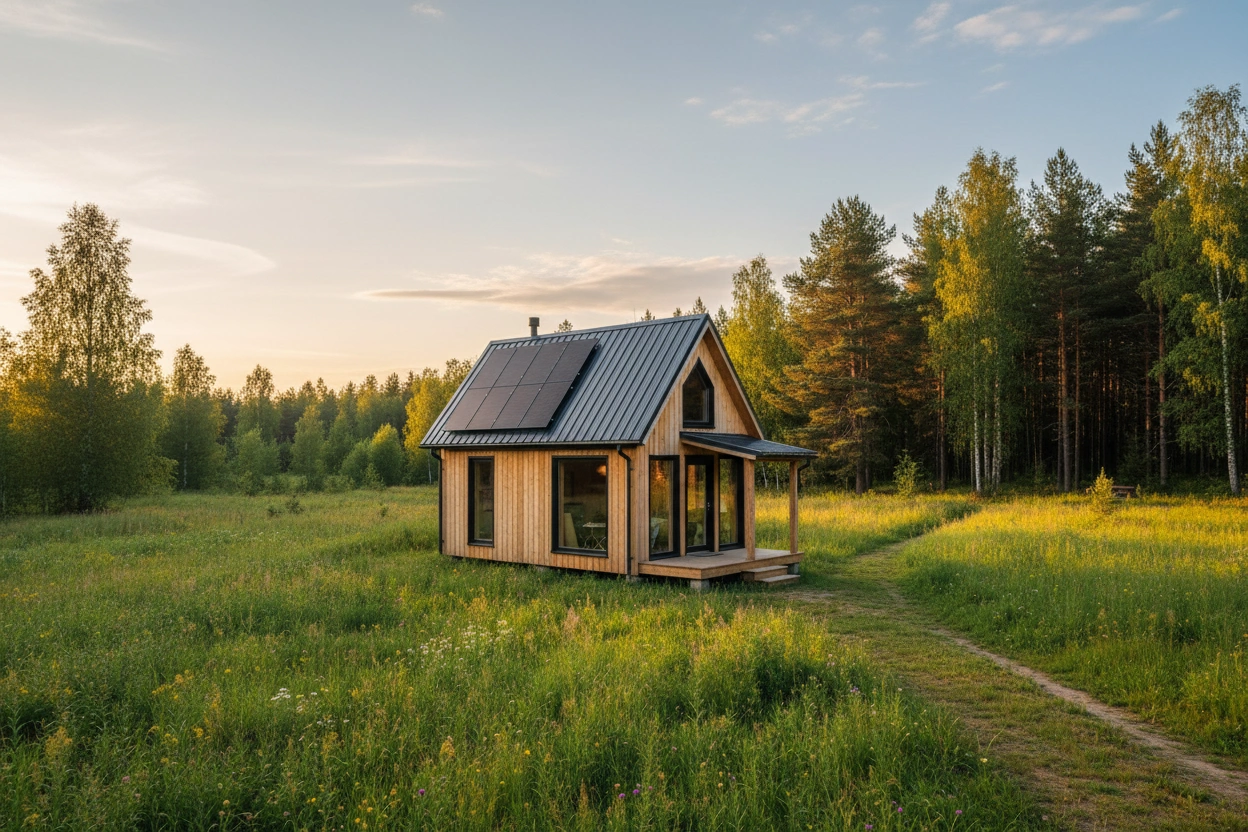
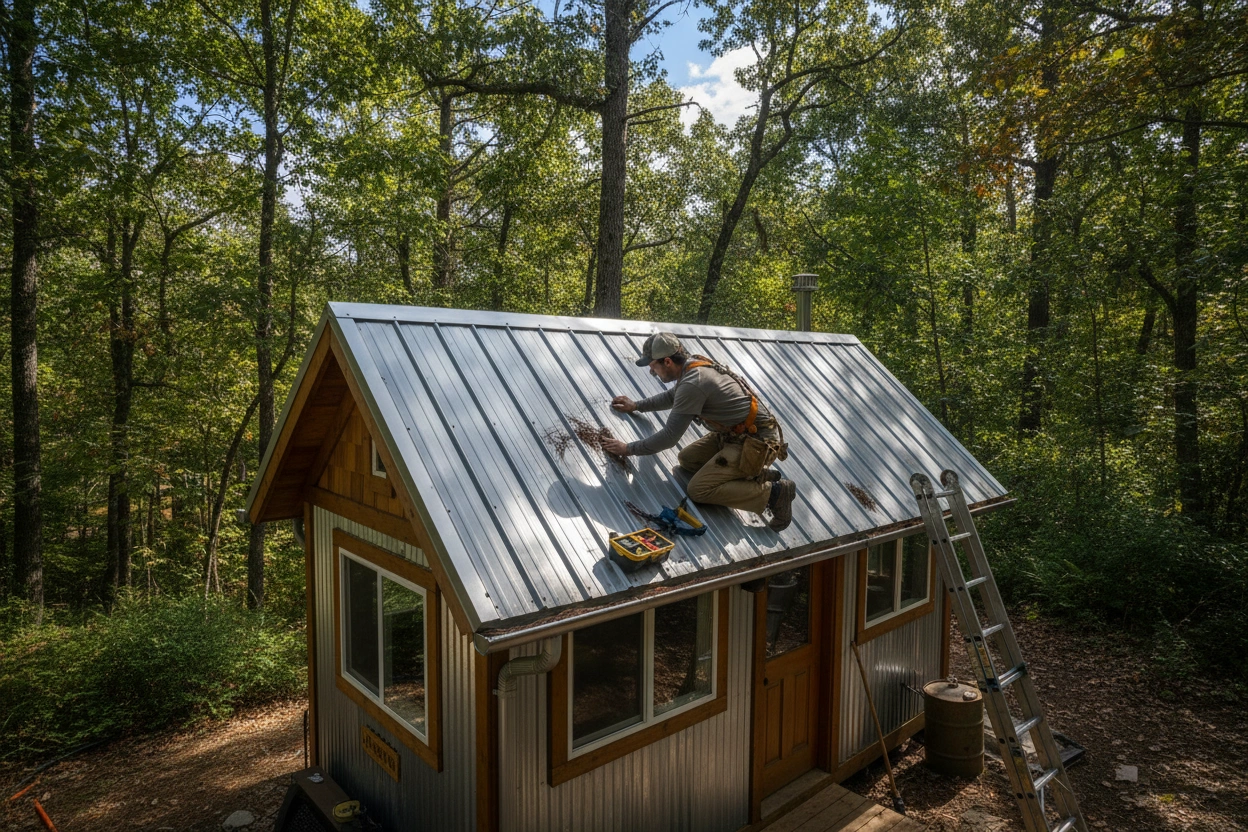
A gable roof is one of the most popular choices for tiny houses due to its classic design and practical benefits. Characterized by two sloping sides that meet at the top, this roof type effectively sheds rain and snow, reducing the risk of water damage. The triangular shape not only adds a charming aesthetic but also allows for additional storage space in the attic.
Benefits of Gable Roofs
- Effective Water Drainage: The steep slope of gable roofs facilitates excellent water drainage, preventing the accumulation of moisture, which can lead to mold and structural damage.
- Ventilation and Insulation: The design allows for better airflow, which can help regulate temperature inside the home. This can lead to energy savings, especially in extreme climates.
- Increased Attic Space: The triangular shape of gable roofs often provides extra storage space, making them ideal for tiny homes where maximizing every square foot is essential.
Drawbacks of Gable Roofs
- Wind Resistance: In areas prone to high winds, gable roofs can be vulnerable if not properly anchored. Homeowners may need to reinforce the structure to withstand severe weather conditions.
- Construction Complexity: Building a gable roof can be more complex than simpler designs, potentially increasing labor costs. Homeowners should consider their budget and skills before opting for this style.
2. Shed Roof
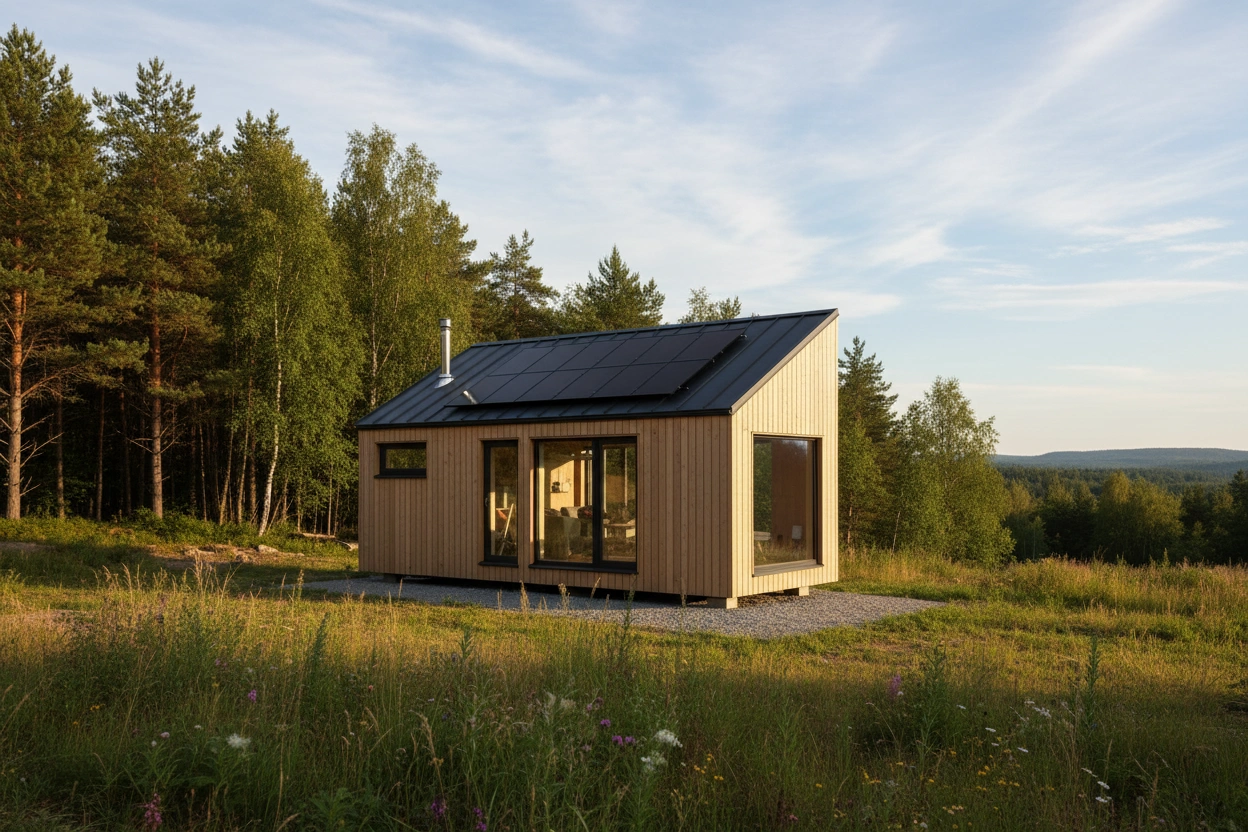
The shed roof, or single-slope roof, is another excellent choice for tiny houses, especially for those aiming for a modern aesthetic. This roof type features a single, sloping surface that allows for easy water runoff while providing a sleek, minimalist appearance.
Benefits of Shed Roofs
- Simplicity in Design: Shed roofs are straightforward to construct, making them an attractive option for DIY builders. The minimalistic design can be cost-effective and quicker to install.
- Maximized Natural Light: The slope of a shed roof can be oriented to capture maximum sunlight, allowing for larger windows and increased natural light in the living space.
- Rainwater Harvesting: The design is conducive to rainwater harvesting, as the sloped surface directs water into collection systems, promoting sustainability.
Drawbacks of Shed Roofs
- Limited Attic Space: Unlike gable roofs, shed roofs do not provide much, if any, attic space. This can be a disadvantage for those who need extra storage.
- Potential for Snow Accumulation: In regions with heavy snowfall, the angle may not be steep enough to prevent snow buildup, which can pose risks if not managed properly.
3. Flat Roof
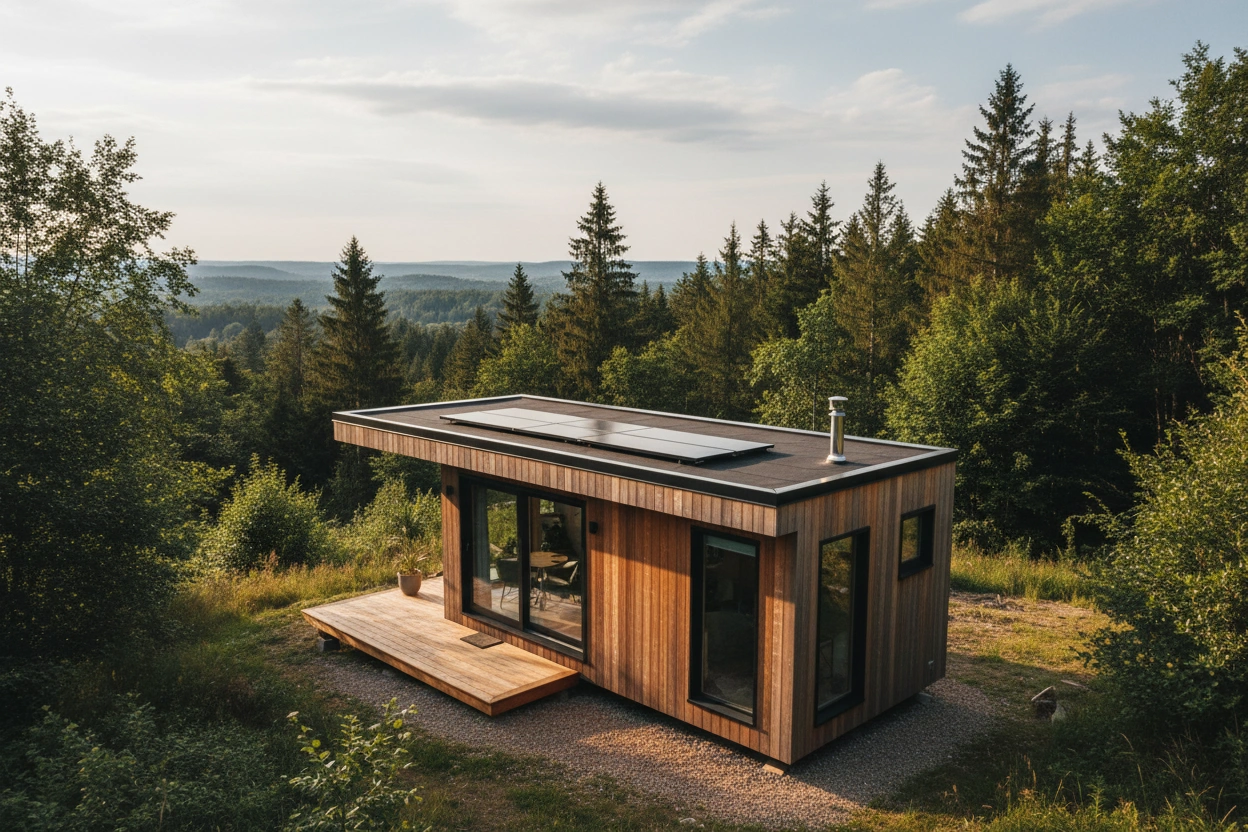
Flat roofs are often associated with contemporary architecture and offer a unique advantage for tiny houses. Despite their name, these roofs have a slight pitch to allow for drainage, making them a viable option for urban tiny homes.
Benefits of Flat Roofs
- Space Efficiency: The lack of slope allows for the maximum use of interior space, which is particularly beneficial in small homes. Flat roofs can also serve as outdoor living areas or green roofs.
- Cost-Effectiveness: Building a flat roof can be less expensive than pitched roofs, as it requires fewer materials and simpler construction techniques.
- Easy Installation of Solar Panels: The flat surface allows for easy installation of solar panels, making it an ideal choice for eco-conscious homeowners looking to harness renewable energy.
Drawbacks of Flat Roofs
- Drainage Issues: Flat roofs can be prone to water pooling, which may lead to leaks and long-term damage if not properly designed and maintained.
- Limited Aesthetic Appeal: Some may find flat roofs less visually appealing compared to pitched roofs, which can affect the overall curb appeal of the tiny house.
4. Hip Roof
Hip roofs feature slopes on all four sides, creating a more stable structure that can withstand high winds and heavy snowfall. This design is often favored in regions with adverse weather conditions, making it a reliable option for tiny houses.
Benefits of Hip Roofs
- Stability and Durability: The design's symmetry and multiple slopes provide excellent structural integrity, making it less susceptible to wind damage.
- Better Energy Efficiency: The additional slope helps with insulation, which can lead to reduced heating and cooling costs over time.
- Aesthetic Versatility: Hip roofs can be customized with various materials and styles, allowing homeowners to achieve a look that aligns with their vision.
Drawbacks of Hip Roofs
- Complex Construction: The design requires more materials and labor, which can increase building costs and complexity for DIY projects.
- Limited Attic Space: While hip roofs do provide some attic space, it may not be as usable as that found in gable roofs due to the angles of the slopes.
5. Mansard Roof
The mansard roof is a unique design that features two slopes on each side, with the lower slope being steeper than the upper. This style is particularly popular in European architecture and can add a distinctive character to tiny houses.
Benefits of Mansard Roofs
- Maximized Living Space: The steep lower slope creates additional living space in the upper levels, making it an attractive option for homeowners who want to maximize vertical space.
- Flexible Design Options: Mansard roofs can be designed in various styles, allowing for creative expression and architectural flair.
- Good Insulation: The multiple slopes provide excellent insulation, helping to maintain comfortable indoor temperatures year-round.
Drawbacks of Mansard Roofs
- Higher Construction Costs: The intricate design requires more materials and skilled labor, which can increase overall building costs.
- Maintenance Challenges: The complexity of the roof design can make maintenance and repairs more challenging compared to simpler roof types.
Understanding Tiny House Roofing Choices
Selecting the right roofing type is essential for ensuring the longevity and functionality of a tiny home. Each roofing option presents its unique advantages and challenges, and the choice ultimately depends on individual preferences, climate conditions, and budget considerations.
Tiny house roofing is not just about aesthetics; it also involves practical considerations such as energy efficiency, maintenance, and durability. By understanding the benefits and drawbacks of each roofing type, homeowners can make informed decisions that align with their lifestyle and values.
The Role of Best Roofing Materials for Tiny Houses
When choosing a roofing type, it is equally important to consider the materials used. The best roofing materials for tiny houses include metal, shingles, and membrane systems. Each material has its own set of advantages:
- Metal Roofing: Lightweight, durable, and energy-efficient, metal roofs can withstand harsh weather conditions and are recyclable.
- Asphalt Shingles: Economical and easy to install, asphalt shingles are widely available and come in various colors and styles.
- EPDM Membrane: Commonly used for flat roofs, EPDM (ethylene propylene diene monomer) is a synthetic rubber that is weather-resistant and easy to maintain.
Choosing the right roofing material in conjunction with the appropriate roofing type can significantly enhance the performance and longevity of a tiny home.
Making the Right Choice for Your Tiny House
In summary, the roof of a tiny house is a fundamental aspect that affects both its functionality and aesthetic appeal. From gable roofs that provide charm and storage to flat roofs that maximize space, understanding the various types and their respective benefits and drawbacks is essential for anyone considering tiny living.
For further guidance on tiny house roofing and to explore additional resources on tiny home living, visit TinyHouse.com. With the right information and support, you can confidently choose the perfect roofing type for your tiny home, ensuring it meets your needs for years to come. best tiny house roofing material for your climate
If you're ready to take the next step in your tiny house journey, contact TinyHouse.com to discover how we can assist you in building or buying your dream tiny home.


.svg)